REVIEW · ROME
Rome: 2.5-Hour San Clemente & Underground Private Tour
Book on GetYourGuide →Operated by Tour in the City - Travel Agency Rome - · Bookable on GetYourGuide
Rome has layers you can walk through. This private 2.5-hour tour ties together San Clemente’s underground and the nearby Ludus Magnus story, showing how Rome keeps rebuilding on top of itself. I also like the mix of art and architecture, from medieval church walls to an iconic Renaissance sculpture you’ll see in the city center. The main drawback to watch for is that the guide style can vary, and if you’re hoping for strictly art-and-architecture focus, you’ll want to be mindful of that.
I like that the meeting spot is easy to pinpoint, and the tour keeps moving with a live art historian guide. You’ll also want to respect the church dress rules: smart casual is fine, but knees and shoulders must be covered for entry, or you’ll be refused. Since there’s moderate walking and you’ll be outdoors part of the time, bring comfortable shoes and dress for all-weather conditions.
In This Review
- Key things worth your attention
- Start at Piazza San Pietro in Vincoli, with the tour already in motion
- San Pietro in Vincoli: chains, a church setting, and Michelangelo’s Moses
- Ludus Magnus: the gladiator training school under the modern city
- San Clemente al Laterano: a three-level time machine you can actually see
- The underground visit: why it feels different from a normal church stop
- How the guide and headsets shape your experience
- Price and value: does $195.98 per person make sense?
- What to wear and bring (so the tour doesn’t get derailed)
- Who should book this private tour?
- Should you book the San Clemente & Underground private tour?
- FAQ
- How long is the San Clemente & Underground private tour?
- What stops are included on this tour?
- What’s included in the price?
- Where do I meet the guide?
- What dress code do I need for the churches?
- Is the tour wheelchair accessible?
Key things worth your attention
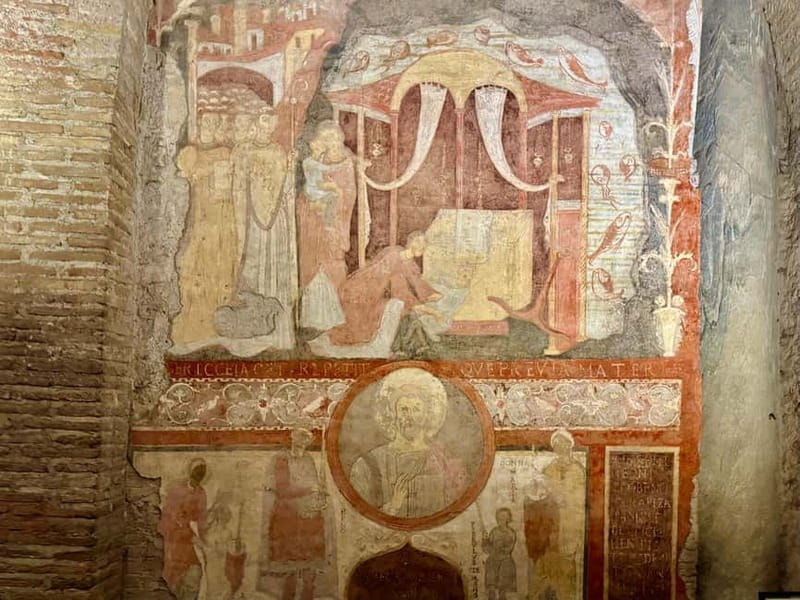
- San Clemente al Laterano’s three-level building shows Rome’s timeline in physical layers.
- Michelangelo’s Moses at San Pietro in Vincoli is the star stop for Renaissance art lovers.
- Ludus Magnus ruins connect to the Colosseum area through ancient underground tunnels.
- Underground access at San Clemente is the part that makes this more than a surface-level church tour.
- Headsets help you hear the guide clearly, especially if the group is larger within the private setup.
- A smart, efficient route keeps the walk manageable while still packing in big names.
Start at Piazza San Pietro in Vincoli, with the tour already in motion
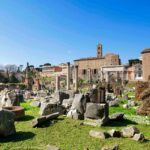
Your tour begins at Piazza San Pietro in Vincoli, right in front of Basilica San Pietro in Vincoli. Plan to arrive about 15 minutes early and look for a signboard with your name. Once you meet your guide, you’ll start with a pleasant walk through the surrounding neighborhood near the Colosseum area, which is a nice warm-up before the heavy-hitting sites.
This start location also helps you get your bearings fast. You’re not jumping around Rome on buses for a short tour; you’re moving on foot through a compact zone where different eras sit close together. It’s a practical choice if you only have a half-day and you want value without rushing.
You can also read our reviews of more private tours in Rome
San Pietro in Vincoli: chains, a church setting, and Michelangelo’s Moses
The first big stop is the Church of San Pietro in Vincoli, known for one of Christianity’s most famous relics: two sets of chains tied to St. Peter’s imprisonment in Jerusalem and Rome. Even if you’re not a religious history expert, this is the kind of detail that makes a church feel specific and grounded. It’s not just a building—it’s a story anchored in the physical place.
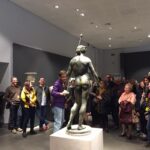
Then you’ll hit the highlight: Michelangelo’s statue of Moses. It’s an unfinished masterpiece, originally intended for Pope Julius II’s tomb. The original plan included a massive funeral monument with 47 statues, but it was never completed because Michelangelo took on other commissions. Standing in front of it, you get a rare sense of the Renaissance process: this is not a perfectly packaged outcome. It’s what happens when genius meets changing priorities.
Why this stop is such good tour value:
- You get both religious relic context and Renaissance art context without feeling like you’re on a museum treadmill.
- The church environment helps you slow down, which matters because the most important details here are the meaning behind the work, not just the name.
One thing to keep in mind: church entry is strict. You need knees and shoulders covered for both men and women. If you’re wearing shorts or a tank top, expect to be turned away. It’s the kind of rule that can ruin a schedule fast, so plan your outfit with this stop in mind.
Ludus Magnus: the gladiator training school under the modern city
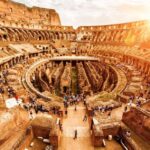
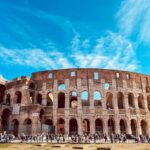
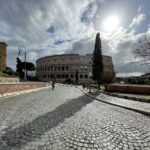
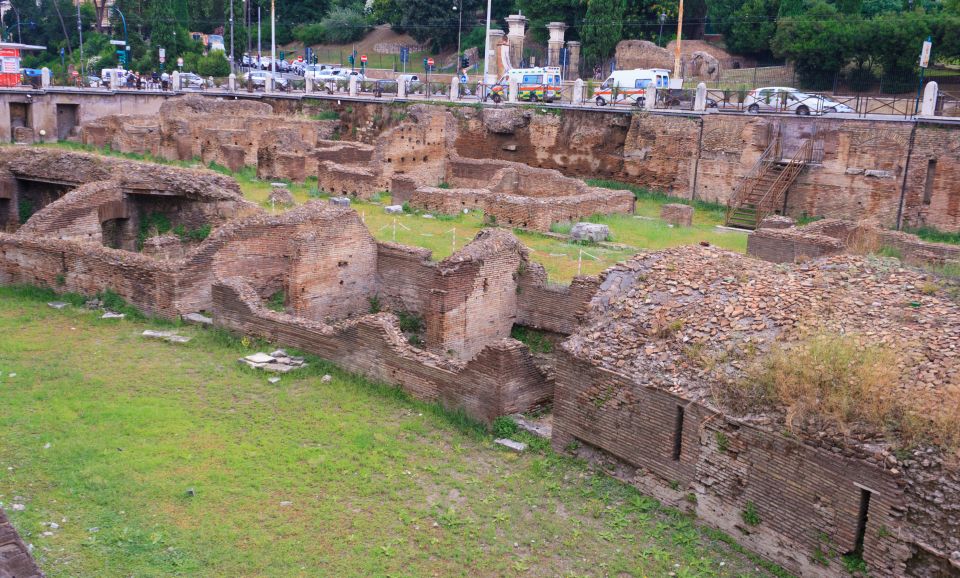
After San Pietro in Vincoli, you’ll continue toward the nearby ruins of Ludus Magnus, the ancient gladiator training school located on the northeast side of the Colosseum. This is where the tour gets especially fun if you like the gritty side of Roman life.
The key connection to know is that the arena was linked to the school by underground tunnels. That detail matters because it changes how you picture the space. You’re not just seeing “old stones.” You’re seeing an infrastructure designed for movement and controlled access—practical engineering serving brutal entertainment.
What I like about covering Ludus Magnus in a short private tour:
- It’s a strong contrast after the church-and-art focus. One site is sacred memory; the other is training and spectacle.
- The scale is smaller than the Colosseum, so it’s easier to actually absorb the story instead of fighting crowds and sound-bite explanations.
The potential drawback is simple: if you expected a full excavated complex with lots of time to roam, this segment may feel more like an overview view of the ruins. It’s still worth it, but it’s not a “spend hours here” stop.
San Clemente al Laterano: a three-level time machine you can actually see
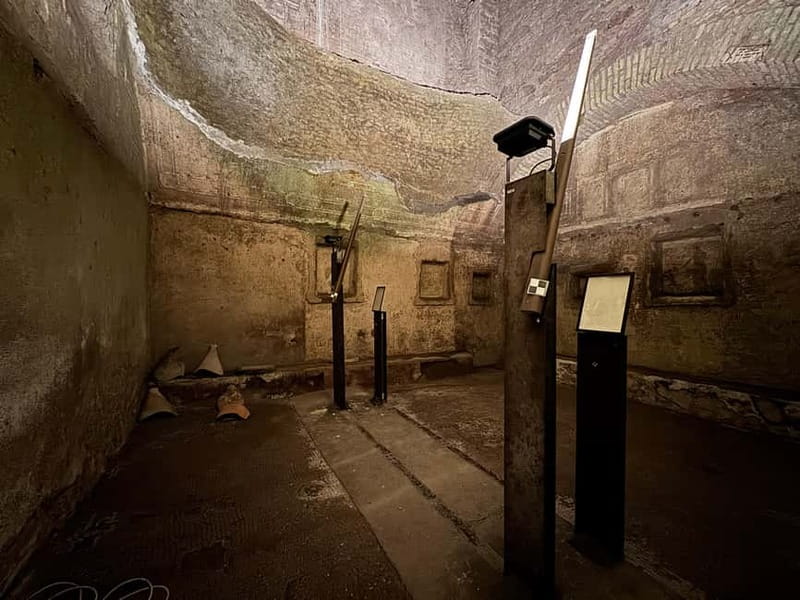
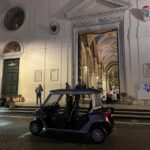
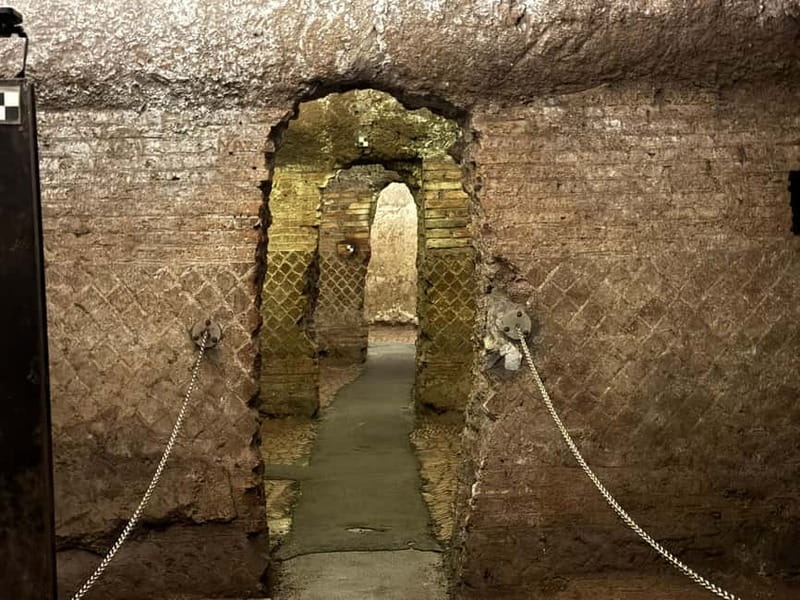
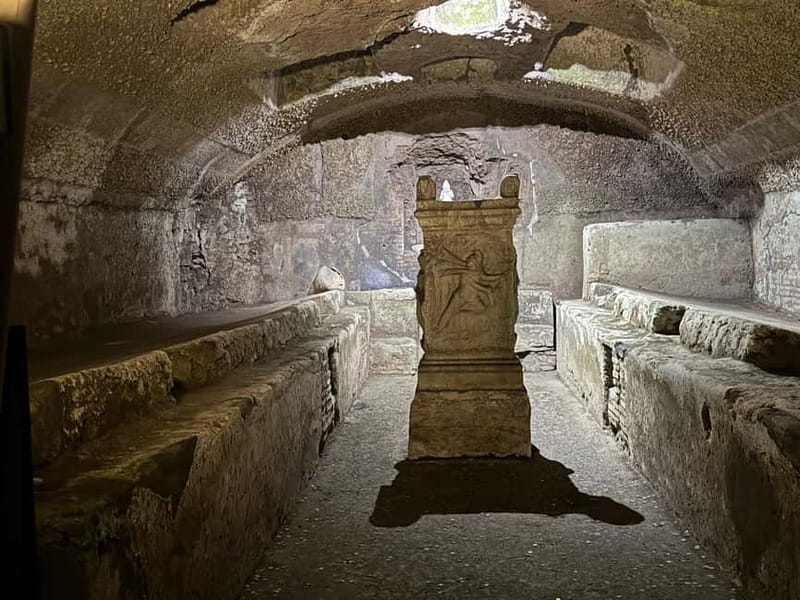
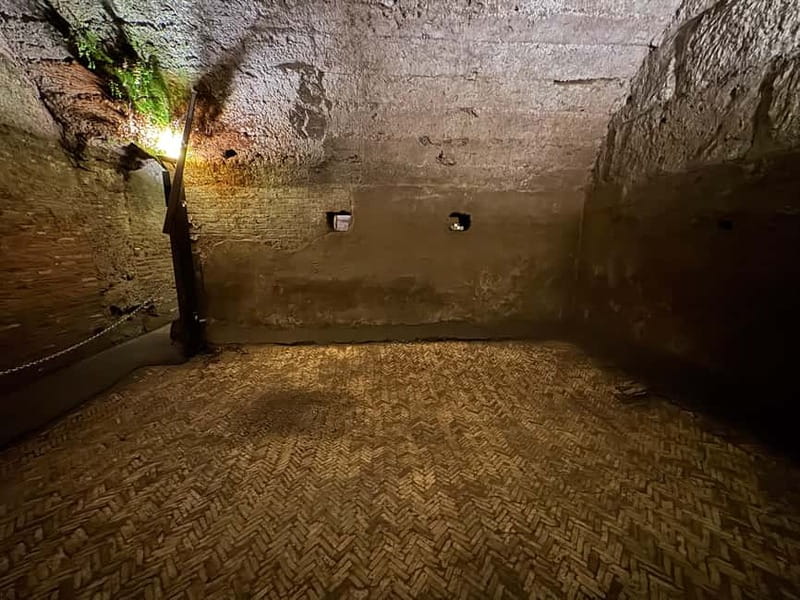
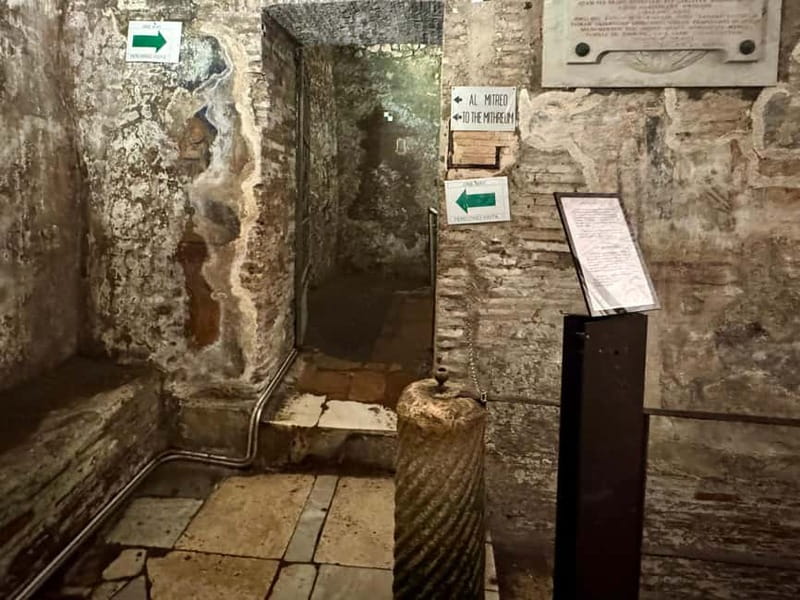
Your final stop is Basilica San Clemente al Laterano, along with Via San Giovanni in Laterano. This is the tour’s “why Rome is Rome” moment, because San Clemente isn’t one building—it’s a three-level complex where each level corresponds to a major era of Roman history.
Here’s the timeline you’ll be walking through:
- Republican-era villa remains are suggested beneath the current basilica.
- In the 4th century, the site was converted into a Christian church dedicated to Pope St. Clement, the third pope after St. Peter.
- The present medieval basilica was built in 1100.
This is exactly the kind of layered story that tours should deliver. It helps you understand Rome as a city that reuses, rebuilds, and overwrites. You’re not just looking at dates in a book; you’re seeing how new communities took over old spaces.
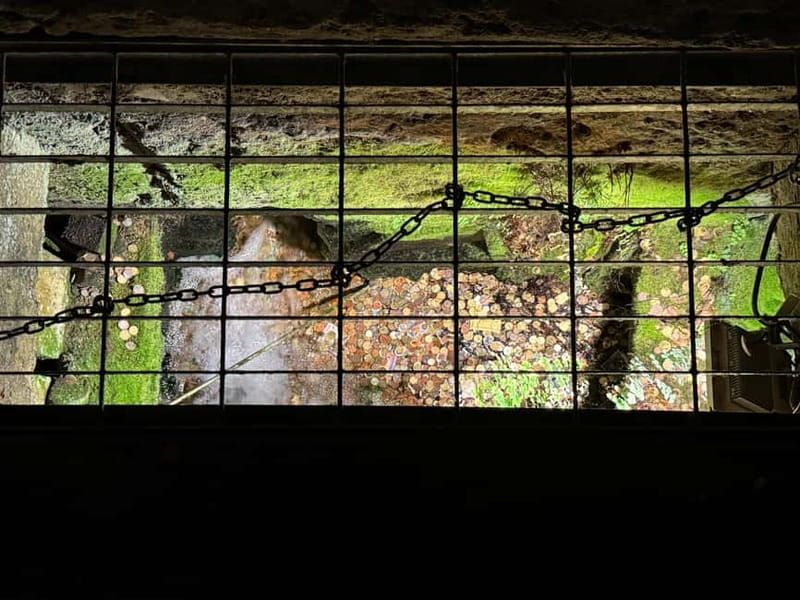
And because this tour includes an underground visit at San Clemente, you’ll get a chance to see the “under the under” perspective—how earlier structures sit beneath the later ones. That underground access is the difference between a normal sightseeing loop and a tour that sticks in your memory.
The underground visit: why it feels different from a normal church stop
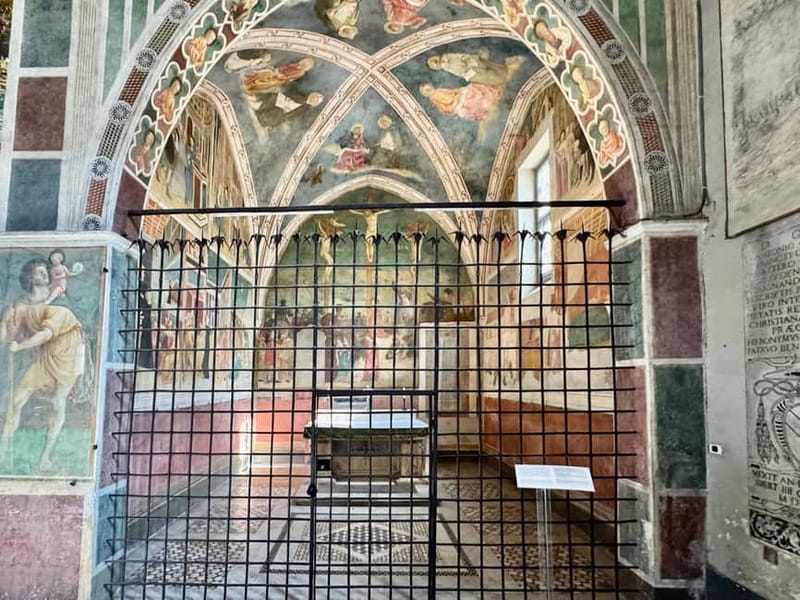
Most church visits are about the visible façade and the inside atmosphere. San Clemente’s underground is different because you get to picture Rome as a set of stacked realities.
Even without turning it into a fantasy story, the underground helps your brain understand:
- why later builders chose this spot,
- how the city’s religious identity changed over time,
- and how physical layers can survive even after centuries of renovation.
It also makes the tour feel more balanced. The route isn’t only about famous names like Michelangelo. It gives you a practical sense of how archaeology works in an active city. In a place like Rome, that’s rare.


How the guide and headsets shape your experience
This is a private group tour with a professional art historian guide, and that matters. When you’re walking between sites that each have their own era and symbolism, you need someone who can keep the timeline straight without turning it into a lecture that drags.
The headsets included (used to hear the guide clearly, especially if the group is over eight) are a smart detail. You’re outside for part of the day, inside for the rest, and the acoustics can change fast. Headsets help you keep up without having to strain your ears or get stuck beside a loud person.
That said, there’s a caution worth repeating based on real experiences: guide focus can drift. One review flagged that a guide got sidetracked into conspiracy territory and used offensive language. I can’t confirm how often that happens, but it’s enough to treat this tour like any other people-powered experience: if you want a clean, straight art-history approach, consider booking when you’re comfortable with guide-to-guide variation.
Price and value: does $195.98 per person make sense?
At $195.98 per person for a 2.5-hour private tour, you’re paying for three things:
- A professional art historian guide
- Entrance fees included
- Extra listening support via headsets and the benefit of skipping the ticket line
For Rome, where “cheap” often means you don’t get deep context, this pricing can be fair—especially if you’re the type who likes understanding what you’re seeing instead of just taking photos. You’re not paying to cross town or wait in lines, and the tour covers multiple high-impact stops in a small area.
Where the price might feel steep:
- If you’re only interested in one or two of the stops and you don’t care about the timeline connections.
- If you prefer a long, slow pace at one major site rather than a compact, multi-stop route.
If you do care about how Roman layers connect—from relics, to Renaissance sculpture, to gladiator training spaces, to underground church levels—then this is the kind of private tour that can justify the cost.
What to wear and bring (so the tour doesn’t get derailed)
This tour is smart casual, but churches are the real boss. You must have knees and shoulders covered for entry, and enforcement is strict. If you’re visiting in hot weather, dress for rules, not for comfort. Lightweight layers can help, but you can’t show up with uncovered shoulders or bare knees.
Bring:
- Passport or ID card
- Comfortable shoes (moderate walking)
- Something appropriate for all weather, since it runs in all conditions
Don’t bring:
- Luggage or large bags
- Pets
- Walking frames
- Anything that counts as disruptive in a tight stop-and-start itinerary
Also note: it’s not wheelchair accessible, so plan accordingly.
Who should book this private tour?
This tour is a great match if you:
- want a focused 2.5-hour hit of Rome’s art and architecture across eras,
- care about the story behind landmarks like Michelangelo’s Moses and the relics at San Pietro in Vincoli,
- like the idea of Roman layers you can physically experience at San Clemente’s underground,
- prefer a private group pace where you can actually hear the guide and absorb details.
It’s less ideal if you:
- need full mobility access (it’s not wheelchair accessible),
- hate moderate outdoor walking,
- or you’re very sensitive to guide style drifting off-track.
Should you book the San Clemente & Underground private tour?
I’d book it if you want efficient value: three major stops, strong architectural storytelling, and the underground experience at San Clemente that makes the tour feel more than just churches and names. The included entrances and skip-the-line benefit also help you keep momentum.
But I wouldn’t book it on autopilot. Check that you’re comfortable with guide-to-guide variation, and dress like you mean it for church entry—covered knees and shoulders are non-negotiable here. If you do that, you’ll get a well-paced route that connects Rome’s eras in a way that’s easy to remember.
FAQ
How long is the San Clemente & Underground private tour?
The tour lasts 2.5 hours.
What stops are included on this tour?
You’ll visit San Pietro in Vincoli, see the Ludus Magnus ruins, and visit Basilica San Clemente al Laterano with access to the underground.
What’s included in the price?
Included items are entrance fees, headsets to hear your guide clearly (for groups over 8), and a professional art historian guide.
Where do I meet the guide?
Meet at Piazza San Pietro in Vincoli, in front of Basilica San Pietro in Vincoli. Arrive 15 minutes before your departure time, and look for a signboard with your name.
What dress code do I need for the churches?
Dress code is smart casual, but entry requires knees and shoulders covered for both men and women. It’s strictly enforced.
Is the tour wheelchair accessible?
No. The tour is not wheelchair accessible.