REVIEW · ROME
Rome: Cooking class with wine pairing at Come Na Vorta
Book on GetYourGuide →Operated by COME NA VORTA · Bookable on GetYourGuide
Pasta dough, prosecco, and a family recipe in Trastevere. This class turns wine pairing and Roman comfort food into real skills you can use at home, taught with grandmother-style pasta technique in English and Italian. You’ll shape fresh pasta, cook it with your chosen sauces, and finish with tiramisù.
The only drawback to plan for: you’re busy cooking for about two hours first. There’s no pickup, so wear shoes you won’t mind getting flour dust on, and make your own way to Come ’Na Vorta – Pasta e Vino in Trastevere.
In This Review
- Key things I’d circle before you book
- A family-run pasta lab in Trastevere
- What you make: fettuccine, gnocchi, and tiramisù
- Fresh pasta basics that actually stick
- Gnocchi that don’t fall apart
- Tiramisù variations you can repeat
- The sauce choices that turn pasta into Roman comfort
- Two pasta dishes, plus dessert
- Wine pairing without the stuffiness: Bronze, Silver, Gold
- What each option includes
- Is it worth picking a higher tier?
- Prosecco, bruschette, and the pace of a 3-hour class
- English and Italian, plus real humans running the show
- Who should book this class in Rome
- Practical tips before you head to Come ’Na Vorta
- Plan your timing
- Get yourself to the restaurant
- Bring realistic expectations
- Alcohol and appetite
- Value check: what $68.10 really buys
- Should you book this Rome cooking class?
- FAQ
- How long is the cooking class at Come ’Na Vorta?
- What dishes will I learn to make?
- What will be served during the meal?
- Can I choose the sauce for my pasta?
- Is prosecco included?
- What wine is included?
- Where do I meet for the class?
- Is pickup or drop-off included?
- Do I get recipes to take home?
- What languages are offered, and is it wheelchair accessible?
Key things I’d circle before you book
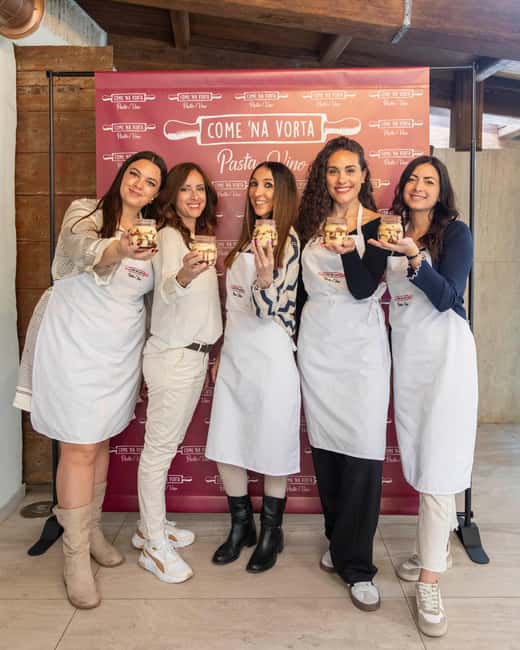
- Family-run, multi-generation approach: pasta know-how passed down over three generations
- You get hands-on time: make fresh fettuccine and gnocchi, not just watch
- Free-flowing prosecco + bruschette: you snack and sip while you learn
- Sauce choice matters: you’ll cook your pasta with traditional Roman sauces
- Wine levels you can control: Bronze, Silver, and Gold change both quantity and quality
- Take-home materials: printed recipes plus a participation certificate
A family-run pasta lab in Trastevere
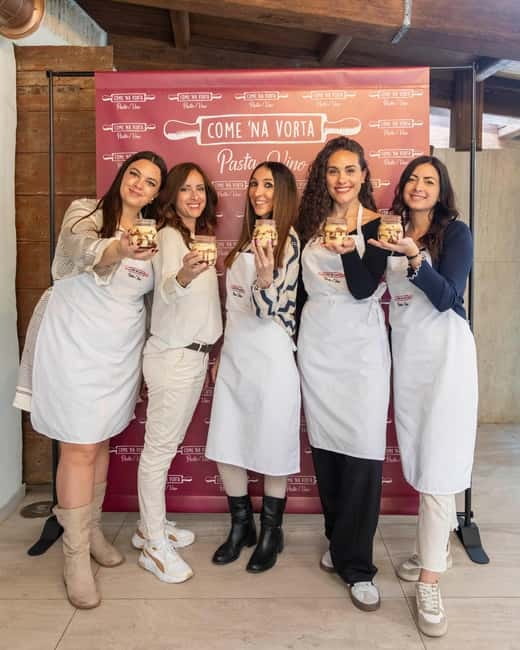
If you want Rome food that feels lived-in, not staged, Come ’Na Vorta – Pasta e Vino is the kind of place you’ll enjoy. It’s in Trastevere, and the whole setup is built around one idea: pasta making is a craft you learn with your hands, in a friendly room, with real ingredients and real stories.
This experience works because it’s not just cooking. It’s learning how to cook Roman-style and why those choices make sense. You’re taught by an expert host who guides each step and answers your questions as you go. And yes, you also get to eat what you make, so the class doesn’t feel like a food-related workshop that ends in hunger.
You’ll start with a glass of Prosecco and keep the energy up with bruschette and extra virgin olive oil during the session. That matters more than you might think. A cooking class can be tiring if the pacing is awkward. Here, the class keeps moving, with food breaks that make it feel like an evening you’d actually want to be part of.
You can also read our reviews of more cooking classes in Rome

What you make: fettuccine, gnocchi, and tiramisù
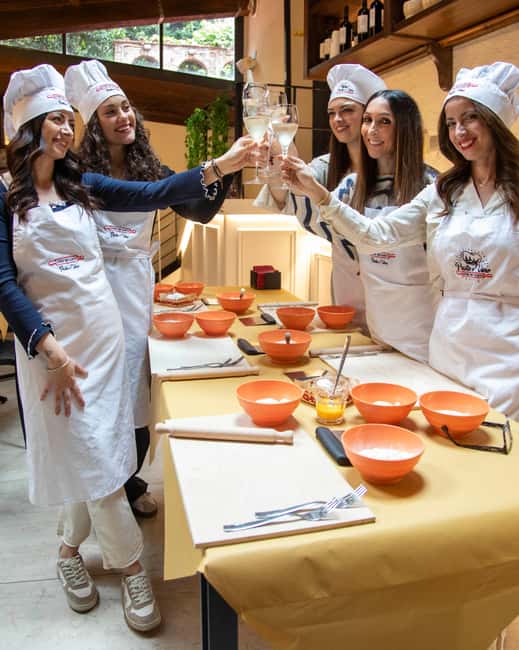
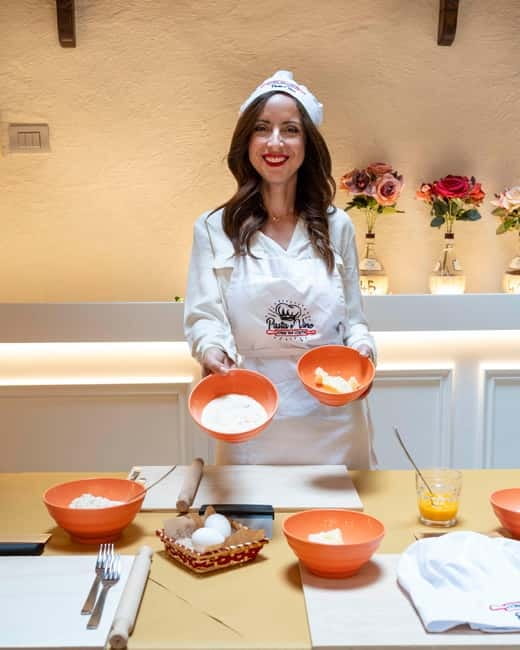
The heart of the evening is three classics, made from scratch: fresh fettuccine, pillowy gnocchi, and the iconic tiramisù.
Fresh pasta basics that actually stick
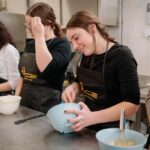
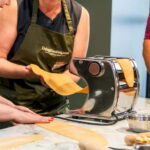
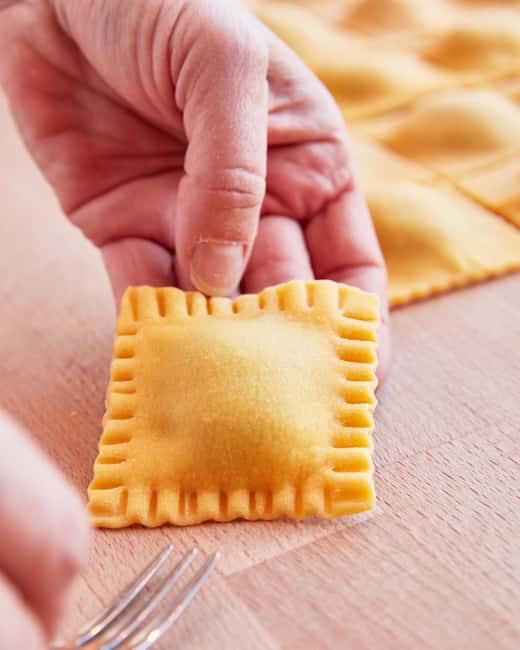
You’ll roll up your sleeves and work the dough. The goal isn’t perfection on your first try. It’s learning the process: kneading, shaping, and understanding how different pasta shapes work. You also learn how to recognize quality ingredients, which is where the class becomes more valuable than just a one-time meal.
One neat detail: the experience highlights “the secrets of our grandmothers,” plus stories passed down across three generations. That kind of framing isn’t just sentimental. When someone explains why a technique matters, you remember it.
Gnocchi that don’t fall apart
Gnocchi can be tricky at home, mainly because you can end up with the wrong texture. In class, you learn the steps and the shaping approach that leads to that soft, tender bite. You’re not just waiting for your turn to use a tool. You’re learning why the dough behaves the way it does.
Tiramisù variations you can repeat
Dessert is tiramisù, made by you, and they show the variations that guests love. That’s a smart addition. If you only learn one method, you’ll still be stuck the next time you want to tweak it. Learning variations helps you make it your own.
You can also read our reviews of more wine tours in Rome

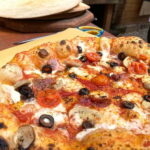
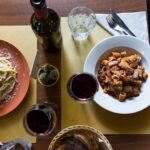
The sauce choices that turn pasta into Roman comfort
After you’ve made your pasta, it gets cooked with traditional Roman sauces of your choice. This is where you shift from technique to flavor decisions.
The class doesn’t pressure you into one “correct” sauce. Instead, you get to choose what you like. Traditional Roman options can include sauces such as amatriciana and pesto, and you’ll pick from the sauces offered during the session. Either way, the structure is helpful: you’ll learn the cooking basics, then you’ll see how those choices change the final dish.
If you’ve ever tried to cook Italian at home and ended up with food that tastes flat, this portion helps. It’s not just pasta. It’s pairing pasta shape with sauce and cooking it the right way so it tastes like a Roman meal, not generic Italian food.
Two pasta dishes, plus dessert
At the table, you’re served two pasta dishes per guest with sauces you chose, plus one tiramisù per guest. That’s a big plus for value. You’re not paying for a lesson and then getting one small plate as a consolation prize.
Wine pairing without the stuffiness: Bronze, Silver, Gold
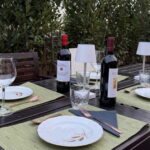
Wine pairing is built into the experience, and the options are clear. The booking choice affects both quantity and the type of wine you get.
What each option includes
- Bronze: one glass of locally produced and popular wine
- Silver: two glasses of traditional Italian wines, such as Chianti and Chardonnay
- Gold: two glasses of prestigious Italian wines, such as Brunello di Montalcino and Amarone della Valpolicella
You’ll also get Prosecco at the start, and the experience is described as free-flowing during the class. On top of that, you’ll have water.
Is it worth picking a higher tier?
If you enjoy wine and want the pairing to feel like a proper tasting, Silver or Gold can be a good match. If you’re there mainly for pasta technique and the wine is a bonus, Bronze can make sense.
Either way, you should think of the wine as part of the meal experience, not an add-on you have to manage. The class already feeds you while you cook, so having wine and prosecco along the way keeps the energy up.
One note: this is still a cooking class. The goal is not to turn it into a drinking party. The pacing is set for learning first, eating second, and then dessert to finish strong.
Prosecco, bruschette, and the pace of a 3-hour class
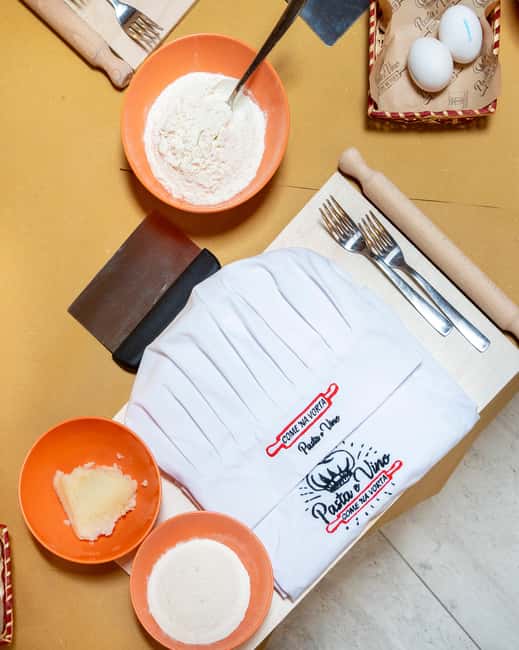
The experience lasts about 3 hours. The breakdown is roughly two hours for cooking and preparation, then time to sit down and eat what you made.
Between the prep steps, you’ll snack on crunchy bruschette with extra virgin olive oil. You also start with a glass of Prosecco before you get your hands in the dough. That’s a smart combo. It keeps the session social and forgiving if you’re not a fast cook.
The pacing can matter a lot with hands-on experiences. If you’re the type who needs things broken into small steps, you’ll likely appreciate the guided structure. If you’re extremely rushed or easily overwhelmed, you might find two hours of flour-and-technique a lot. But most people leave feeling like they actually did something.
Also, the class includes aprons and pasta maker hats to use during the session, which makes it feel more fun and less like a formal lesson.
English and Italian, plus real humans running the show
The instructor and host are listed as English, Italian, so you can expect the class to be supported in those languages.
And the human factor matters here. One past session noted an organizer named Alina coordinating in Spanish, and the chef instructor Alice teaching with great patience, especially for families with kids. That doesn’t mean every class will run in Spanish, but it does signal something important: the team pays attention to the group dynamic and the teaching style.
So if you’re a solo traveler, a couple on a fun date, or a family looking for an activity that doesn’t feel like a chore, this kind of teaching focus can make a difference.
Who should book this class in Rome
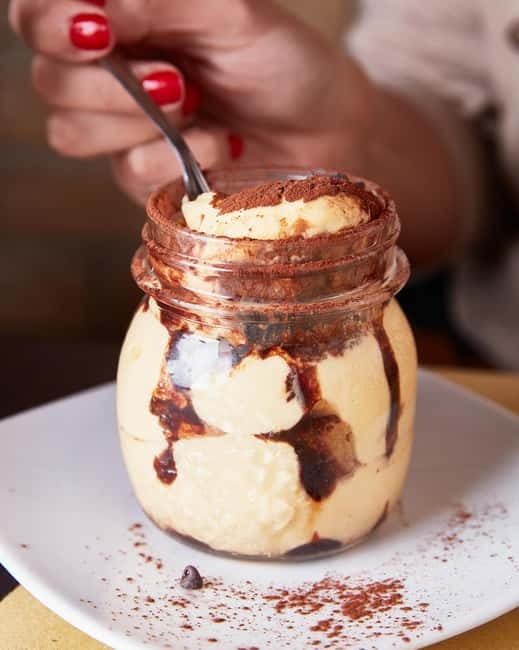
This works especially well if you want your Roman meal to come with a skill you can repeat. I see it as ideal for:
- Couples who want a hands-on date with a real payoff (you eat dinner together afterward)
- Families who want a structured activity where kids can participate, not just watch
- Solo travelers who like food-focused social settings but also want to leave with something practical
You might not love it as much if you:
- Don’t want to get flour involved
- Prefer eating out immediately with minimal effort
- Need a “see Rome” walking tour style that leaves more time for sightseeing right after
Practical tips before you head to Come ’Na Vorta
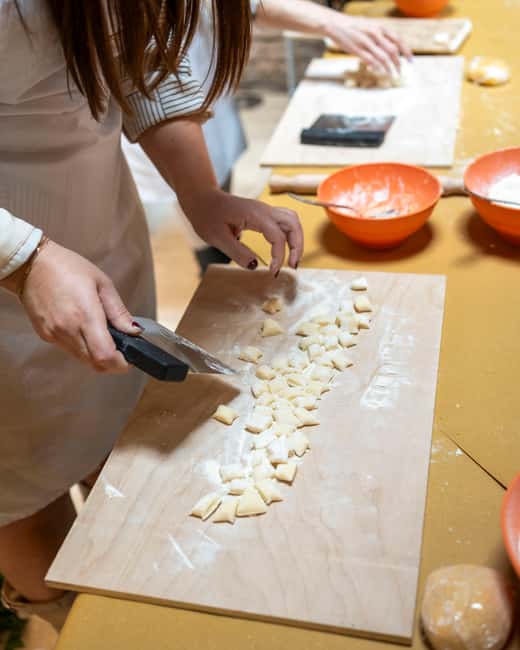
Plan your timing
This is a 3-hour commitment. Build it into a day when you won’t feel rushed afterward. Since you’ll be eating what you make, you’ll likely want something lighter later.
Get yourself to the restaurant
There’s no pickup or drop-off. You meet inside the restaurant Come ’Na Vorta – Pasta e Vino. When you arrive, you’ll go inside and ask the staff about the cooking class, and they’ll direct you to your guide.
Bring realistic expectations
You’re learning fresh pasta and tiramisù, with guidance every step. You don’t need to be a pro cook. But you should show up ready to work your hands and pay attention during shaping and cooking.
Alcohol and appetite
Prosecco and wine are part of the experience, and there’s food throughout the class. Pace yourself. If you’re sensitive to alcohol, choose the Bronze option or plan water alongside.
Value check: what $68.10 really buys
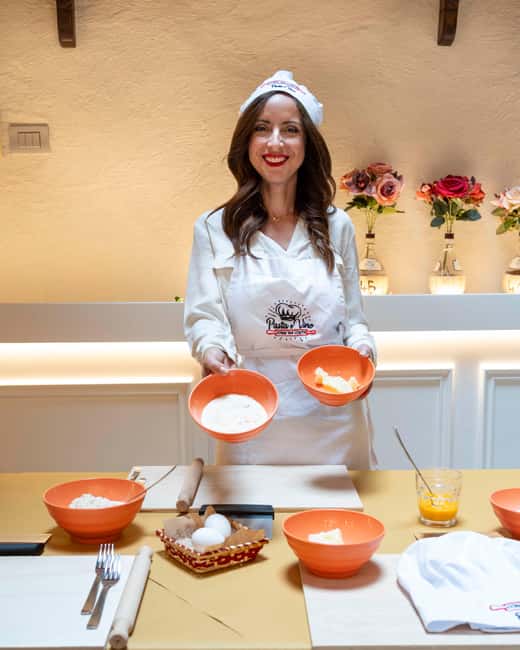
At $68.10 per person, you’re paying for much more than a tasting. Here’s what’s included that supports the price:
- A hands-on lesson making fresh fettuccine and gnocchi
- Tiramisù made from scratch, plus tiramisù variations you can repeat
- Two pasta dishes served with sauces you choose
- Dessert served to you at the table
- Prosecco and wine (amount depends on Bronze/Silver/Gold)
- Bruschette, olive oil, and water during the class
- Aprons and pasta maker hats to use
- Printed recipes to take home
- A participation certificate
That combination is where the value comes from. You’re not just buying dinner. You’re getting a meal plus take-home instructions and the confidence to cook these dishes again.
Should you book this Rome cooking class?
Book it if you want a Roman food experience that’s hands-on, social, and actually useful afterward. I’d especially recommend it if pasta making sounds fun but you’d rather learn it in a guided setting than try to figure it out from videos later.
Skip it if you’re chasing a quick hit of sightseeing and don’t want a two-hour cooking session with flour on your shoes.
If you fit the sweet spot, this is the kind of class where you leave with full plates, a story you’ll tell at home, and printed recipes you can use when your kitchen is quiet and your friends are hungry.
FAQ
How long is the cooking class at Come ’Na Vorta?
The class lasts around 3 hours, with roughly 2 hours for preparation and then time to enjoy the meal.
What dishes will I learn to make?
You’ll learn to make fresh fettuccine, gnocchi, and tiramisù from scratch.
What will be served during the meal?
You’ll be served two pasta dishes and one tiramisù per guest, with sauces of your choice.
Can I choose the sauce for my pasta?
Yes. You’ll choose from traditional Roman sauces to go with your pasta dishes.
Is prosecco included?
Yes. You start with a glass of Prosecco, and prosecco is described as free-flowing during the class, along with bruschette.
What wine is included?
Wine is included, and the amount depends on your booking option. Bronze includes one glass of wine; Silver includes two glasses; Gold includes two glasses.
Where do I meet for the class?
You meet inside Come ’Na Vorta – Pasta e Vino. Go inside and ask the staff about the cooking class, and they will accompany you to your guide.
Is pickup or drop-off included?
No. Pickup and drop-off are not included.
Do I get recipes to take home?
Yes. You’ll receive printed recipes to take home.
What languages are offered, and is it wheelchair accessible?
The class is offered in English and Italian, and the experience is wheelchair accessible.