REVIEW · ROME
Through Eternity Rome Private Tour & Pantheon
Book on GetYourGuide →Operated by Crazy4rome srls · Bookable on GetYourGuide
Rome feels built for walking, and this private route turns it into an easy plan. You get Pantheon skip-the-line entry and a private guide who helps you notice what most people miss—details, alignments, and the way streets shape the views.
I also love how the tour strings together classic squares like Trevi Fountain and Piazza Navona, so you see different styles of Rome without bouncing around with maps and guesswork. One drawback to plan for: you’ll cover a lot of ground in about 3.5 hours, so bring comfortable shoes and keep bags to a minimum.
In This Review
- Key things to know before you go
- Why this Rome route starts at the Spanish Steps
- Piazza di Spagna and the Spanish Steps: where streets become a show
- Piazza Navona: the old stadium that still sets the rhythm
- Trevi Fountain: not just a photo spot, a whole ritual
- Campo Marzio moments: the in-between streets that make Rome make sense
- Entering the Pantheon the smart way: skip the line and focus on what counts
- Piazza Colonna: the quieter payoff after the icons
- Where the tour ends (and how to avoid confusion)
- Languages and what a private guide changes
- 3.5 hours and the value of a tight route
- Price and value: what you’re paying for in practical terms
- What to bring and the one big rule about bags
- Who this tour is best for
- Should you book Through Eternity Rome Private Tour & Pantheon?
- FAQ
- What is the meeting point for the tour?
- Where does the tour end?
- How long is the private tour?
- Does it include Pantheon skip-the-line tickets?
- What languages are available for the guide?
- What should I bring?
- Is there a cancellation policy?
Key things to know before you go
- Skip-the-line Pantheon through a separate entrance
- Private official expert guide with multiple language options
- 3.5 hours focused on Spanish Steps, Trevi, Navona, Campo Marzio, and Piazza Colonna
- Plenty of “see and listen” time, with guided stops ranging from 20 to 40 minutes
- No luggage or large bags during the tour
Why this Rome route starts at the Spanish Steps
There’s a reason so many Rome tours begin around the Spanish Steps: it’s a perfect place to get your bearings. From here you can understand how Rome works as a city of viewpoints—stairs, terraces, and street angles that funnel you toward the next landmark.
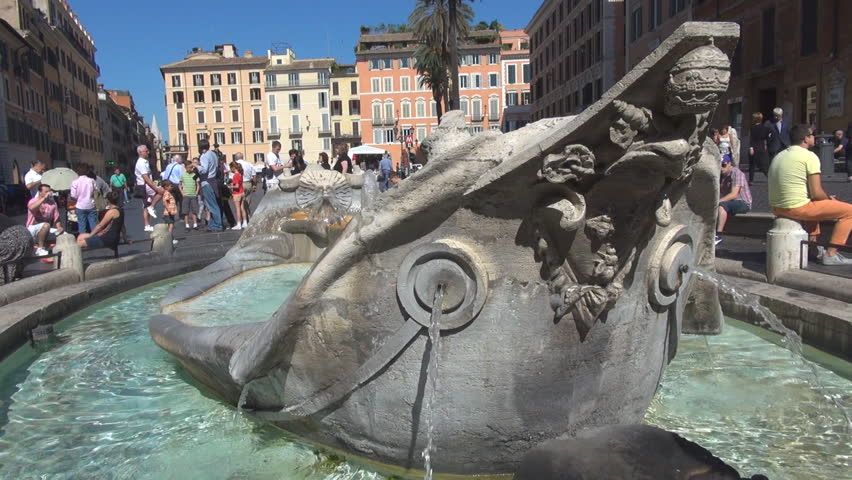
This tour begins right by the Fountain of the Barcaccia (meet near Babingtons Tea Room, Piazza di Spagna 23). That’s handy for two reasons. First, it’s an unmistakable meeting spot. Second, the fountain sits in the middle of a lively pedestrian zone, so the guide can ease you into the walk without starting in a dead end.
If you like structure but still want that roaming-Rome feeling, this route nails it. You aren’t stuck in a single monument. You’re moving through the urban design of Rome—where architecture becomes the backdrop to daily life.
You can also read our reviews of more private tours in Rome


Piazza di Spagna and the Spanish Steps: where streets become a show
Your tour includes guided time around Piazza di Spagna and the Spanish Steps (about 20 minutes each). This is not just a quick photo stop. The guide’s job here is to help you see the space as a designed “stage” rather than a backdrop.
You’ll get oriented to how the terrace and stair layout controls the sightlines. Rome does this a lot: it nudges you with steps and edges, then rewards you with views. When you understand that, the Spanish Steps stop feeling like just a famous set of stairs and start feeling like a plan.
Practical tip: the area can be crowded. A guide helps you move at a pace that keeps you from spending half your time waiting behind shoulder-to-shoulder tour groups. Just keep your rhythm slow and your camera ready.
Piazza Navona: the old stadium that still sets the rhythm
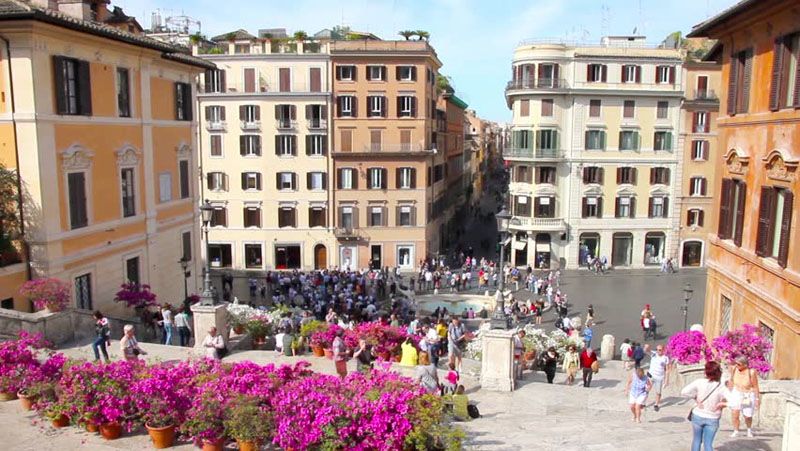
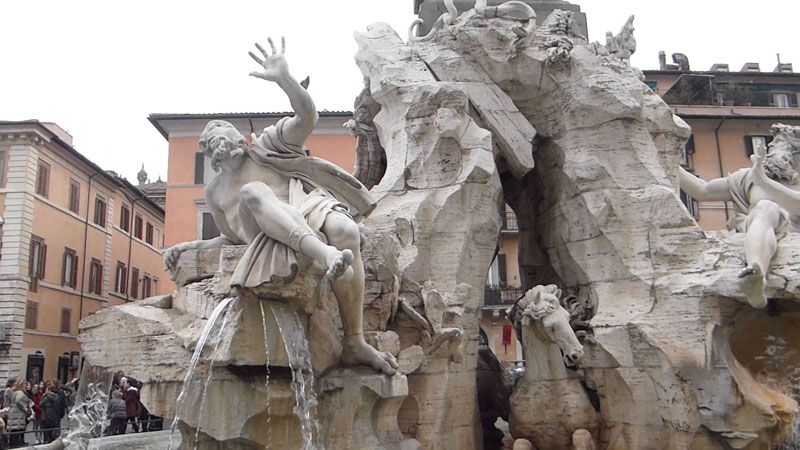
Then you head to Piazza Navona, another stop with about 20 minutes of guided time. This square is famous, but what makes it worth a guided visit is the way it still reads as something older than it looks.
You’ll hear how Piazza Navona was once the Stadium of Domitian. That’s the key idea: the long shape and the sense of an arena aren’t random. They affect how you walk across the space and where the eye goes. When you stand there with context, the Baroque facades feel less like decoration and more like a clever reuse of an existing urban form.
A big plus here is pacing. You’re not running from one major site to another with no pause. Navona works as a breather square: you can take in the open space, absorb the architecture, and get ready for the more intense, enclosed feeling of the Pantheon.
Trevi Fountain: not just a photo spot, a whole ritual
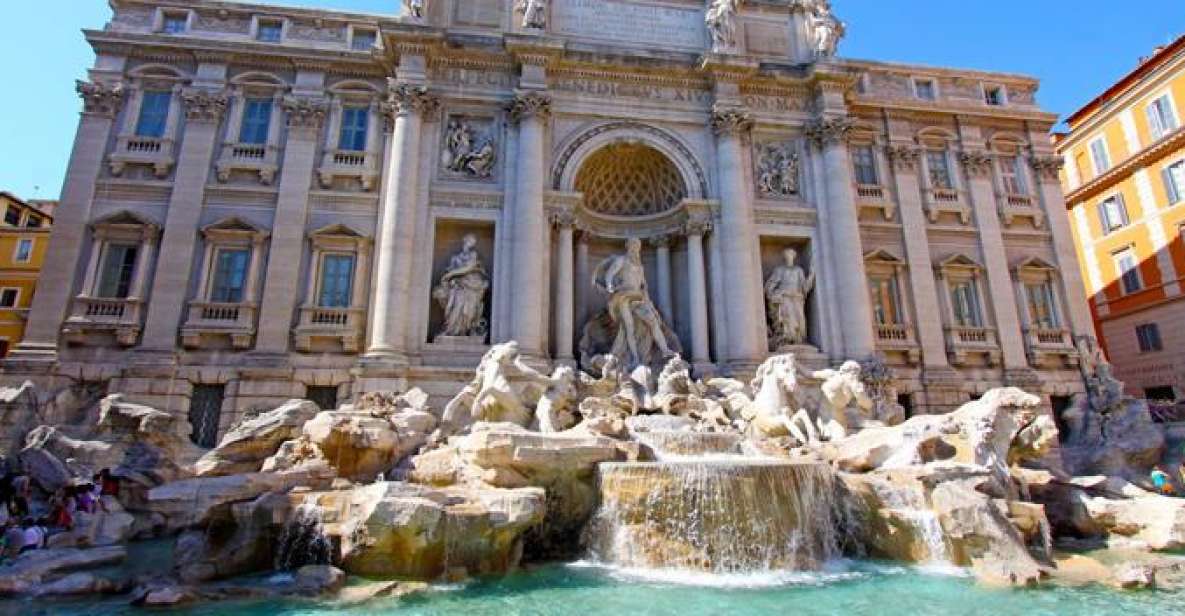
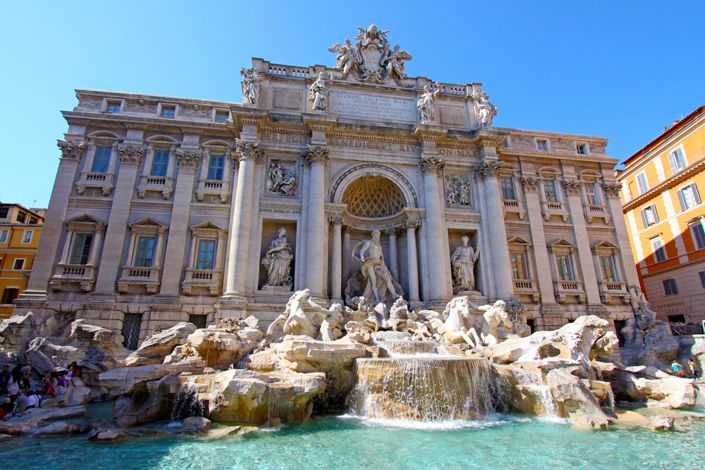
After Navona, you’ll visit Trevi Fountain with guided time (around 20 minutes). Trevi is one of those places where the myths are louder than the stones—unless you have someone pointing out the structure and the storytelling in the design.
What I like about this stop in a guided format is that the guide can help you notice “oddities” and small details tied to Roman tradition. Rome loves symbolism, and the fountain is part civic centerpiece, part stage for rituals and wishes.
If you’re going for the classic tradition, you’ll also find it easier to do it without turning the moment into a chaotic line experience. The tour timing and guide flow help you keep it calmer.
One practical consideration: Trevi Fountain is a magnet. You’ll be sharing the space with lots of other people, so focus on the surrounding architecture too, not only the water feature.
Campo Marzio moments: the in-between streets that make Rome make sense
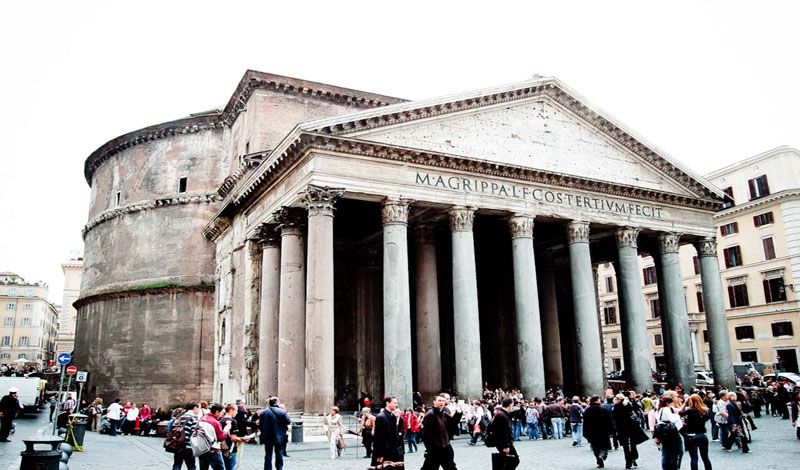
The route includes time in Rione IV Campo Marzio (two guided segments of about 20 minutes each). This might look like “just walking,” but it’s actually the glue of the tour.
Campo Marzio is where Rome’s layers show up in daily life: historic remains that underpin later streets and buildings, plus neighborhood textures that feel less like a theme park. Even when you’re heading toward major monuments, the guide’s commentary here helps you connect the dots. You stop treating ruins as isolated objects and start seeing them as the foundation of what you’re standing on now.
Why this matters: if you only visit standalone monuments, Rome can feel like a checklist. The Campo Marzio stops help you understand the city’s logic—how old structures and later designs coexist and shape where people move.
You’ll probably notice the difference immediately: the pace feels more like strolling with a smart companion, not marching from one ticket window to another.



Entering the Pantheon the smart way: skip the line and focus on what counts
Now the centerpiece. The Pantheon stop is guided for about 40 minutes, and it includes skip-the-line tickets through a separate entrance. That alone changes the entire experience.
The Pantheon isn’t just famous because it’s old. It’s famous because it still works—architecturally, visually, and atmospherically. With the guide’s time here, you’ll get help noticing the design decisions you might otherwise overlook if you’re rushing through.
You’ll spend the chunk of time you need to understand the scale and how the space directs attention. It’s the kind of building where the biggest impact comes from details like geometry, light, and proportion—things that don’t reveal themselves in a quick glance.
Also, a 40-minute guided stop means you’re not forced into the typical grab-and-go cycle. You can pause, look up, and actually let the building land.
Tip for your own comfort: keep your neck ready. You’ll be looking upward more than you expect.
Piazza Colonna: the quieter payoff after the icons
After the Pantheon, the route returns through Campo Marzio again, then brings you to Piazza Colonna with about 20 minutes guided time. This stop is shorter, which is actually a good thing.
By the time you arrive, you’ve already seen the big headline sights. Piazza Colonna gives you a different flavor: a square that feels more Roman-in-everyday-way. It’s a chance to reset, notice the buildings framing the space, and catch your breath without losing the thread of the tour.
Think of it as the “breather landmark” that keeps the day from turning into one long monument sprint.
Where the tour ends (and how to avoid confusion)
The activity information gives two pieces of endpoint detail: it says the finish point is Piazza Navona, and it also says the tour ends back at the meeting point. Those locations are not the same, so I’d do one simple thing before you go: confirm with the provider where your guide will wrap up in practice.
Either way, the important part is this: the tour is designed to keep you in the central core of Rome, so you’re not traveling across town afterward just to catch your next meal or gelato.
Languages and what a private guide changes
You’ll have a live guide available in Spanish, Dutch, English, French, German, Italian, Japanese, and Russian. That matters more than it sounds.
When you can understand the guide’s explanations clearly, you get more from every stop. Instead of just seeing sights, you’re getting the meaning behind what you’re looking at—especially at the Pantheon, where architectural logic rewards close attention.
A private group also changes the feel of the tour. You don’t have to adapt to another group’s pace. You can usually ask practical questions as you go, and the guide can steer you toward the most useful viewpoints for photos and comprehension.
3.5 hours and the value of a tight route
This tour runs about 3.5 hours. For Rome, that’s a sweet spot: long enough to feel like a real guided experience, short enough to still leave room for your own wandering afterward.
You’re covering major icons—Spanish Steps, Piazza Navona, Trevi Fountain, Pantheon, Piazza Colonna—plus two Campo Marzio segments. The guided timing is built around that reality: many stops are around 20 minutes, with the Pantheon getting more attention at 40 minutes.
That structure is useful if you want to see a lot without feeling exhausted. You’ll still walk, but the guide helps you keep the time efficient—so you spend energy on the sights, not on figuring out what’s next.
Price and value: what you’re paying for in practical terms
The price listed is $564.62 per group for up to 1 person. So yes, it’s not the cheapest way to see Rome. But it’s a private tour, and the cost is tied to things that reduce your friction:
- Private guide service for a fixed time block
- Official expert guide with multi-language support
- Skip-the-line Pantheon access via a separate entrance
Skip-the-line isn’t a small perk in Rome. It can save you time and stress, especially at the Pantheon, where crowds can turn a visit into a slow shuffle. And the private format means you’re paying for clarity and pacing, not just a ticket.
If you’re traveling solo, this can be an efficient way to get a guided day without joining a larger group. If you’re traveling with others and can find multi-person value options elsewhere, your decision may depend on who else can share the cost.
What to bring and the one big rule about bags
This is an easy tour to prep for, as long as you follow one constraint: no luggage or large bags. Keep things simple.
Your main item is your feet. Bring comfortable shoes. Even with guided stops, you’re walking between central landmarks, and Rome streets don’t always make things easy for heavy footwear or tired legs.
If you have a day bag, aim for a size you can carry comfortably without needing to check it or fight with crowds.
Who this tour is best for
This experience is a strong match if you want:
- A private Rome plan built around the most iconic sights
- Expert guidance at the Pantheon, not just a quick entrance and exit
- A route that mixes famous squares with the neighborhood texture of Campo Marzio
It may not be ideal if you:
- Need long downtime or you want minimal walking
- Get stressed by crowds at Trevi Fountain and popular central squares
Should you book Through Eternity Rome Private Tour & Pantheon?
I’d book it if you want a high-efficiency Rome day with a guide who can steer your attention beyond the obvious photos. The combination of Pantheon skip-the-line, a private official expert guide, and a route that ties together Spanish Steps, Piazza Navona, Trevi, Campo Marzio, and Piazza Colonna is a smart use of about 3.5 hours.
If you’re the type who prefers to roam completely on your own, you might skip a structured plan. But if you want Rome to make more sense fast—especially the Pantheon—this is a very practical choice.
FAQ
What is the meeting point for the tour?
Meet at the Spanish Steps in front of the Fountain of the Barcaccia near Babingtons Tea Room, Piazza di Spagna, 23.
Where does the tour end?
The activity notes a finish at Piazza Navona and also states it ends back at the meeting point. Confirm the exact wrap-up location with the provider.
How long is the private tour?
It lasts about 3.5 hours.
Does it include Pantheon skip-the-line tickets?
Yes. You get skip-the-line tickets to the Pantheon and access through a separate entrance.
What languages are available for the guide?
Spanish, Dutch, English, French, German, Italian, Japanese, and Russian.
What should I bring?
Comfortable shoes.
Is there a cancellation policy?
Free cancellation is available up to 24 hours in advance for a full refund.