REVIEW · ROME
4H Private Golf Cart Tour with Local Guide and Gelato
Book on GetYourGuide →Operated by Aromatour srls · Bookable on GetYourGuide
Rome, minus the walking, with local stories. This private golf cart tour is a smart way to see big Rome landmarks without spending your day in crowds on foot, and you’ll get running commentary from a native Rome guide.
I like that it stays personal. You’re not sharing the cart with strangers, and the guide adjusts to what your group wants to notice; I also like the built-in gelato stop at a store since 1947, the kind of place Romans and visitors both recognize. The main drawback to flag up front: it’s not suitable for pregnant women.
In This Review
- Key Highlights to Know Before You Go
- Why a Private Golf Cart Tour Feels Like the Best First-Day Plan
- Meeting at Piazza della Repubblica (and What That Means for Getting There)
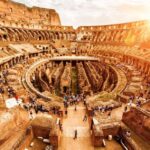
- Outside the Colosseum: Seeing the Big Picture Without Losing Time
- Trevi Fountain to the Pantheon: Two Icons, One Easy Rhythm
- Roman Forum Area, Suburra, and the Column of Trajan: Ancient Rome Comes Alive
- Venice Square, Marcellus Theater, and the Insula: Small Stops With Big Meaning
- Aventine Hill, Mouth of Truth, and St. Mary Major: Classic Rome With Atmosphere
- The Orange Garden Pause and the Wine-and-Snack Option
- Gelato at the World Champion Shop Since 1947
- Guide Style: Roman-Native Storytelling With a Personal Touch
- How Much You’ll See in 4 Hours (and What to Expect From the Format)
- Price and Value: Is $155.20 per Person Worth It?
- Who Should Book This Tour?
- Should You Book This Rome Golf Cart + Gelato Tour?
- FAQ
- How long is the golf cart tour?
- Is this tour private?
- What’s included in the price?
- Where do you meet for the tour?
- What languages are offered for the guide?
- Does the tour include gelato?
- Is the tour wheelchair accessible?
- Is the tour suitable for pregnant women?
- Is tipping included?
- Are there other tour options besides 4 hours?
Key Highlights to Know Before You Go
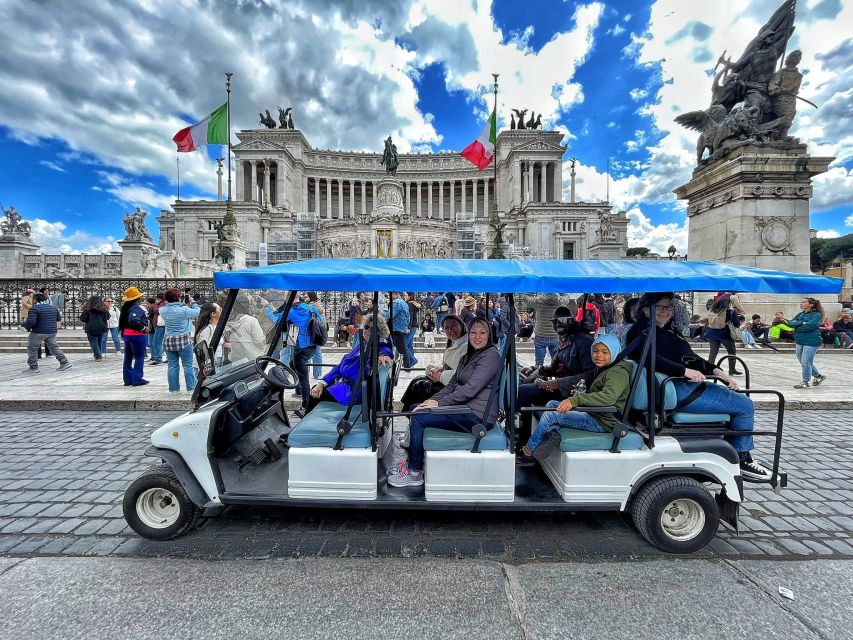
- Private group format so the pace and questions stay in your hands
- Iconic sights in one route, including Colosseum, Trevi Fountain, and the Pantheon area
- Roman-native guide storytelling, plus practical tips on where to eat
- Gelato included, served at a famous shop that has operated since 1947
- Wheelchair accessible (so mobility planning is simpler than on many walking tours)
- Souvenir included, a small extra you don’t have to think about later
Why a Private Golf Cart Tour Feels Like the Best First-Day Plan
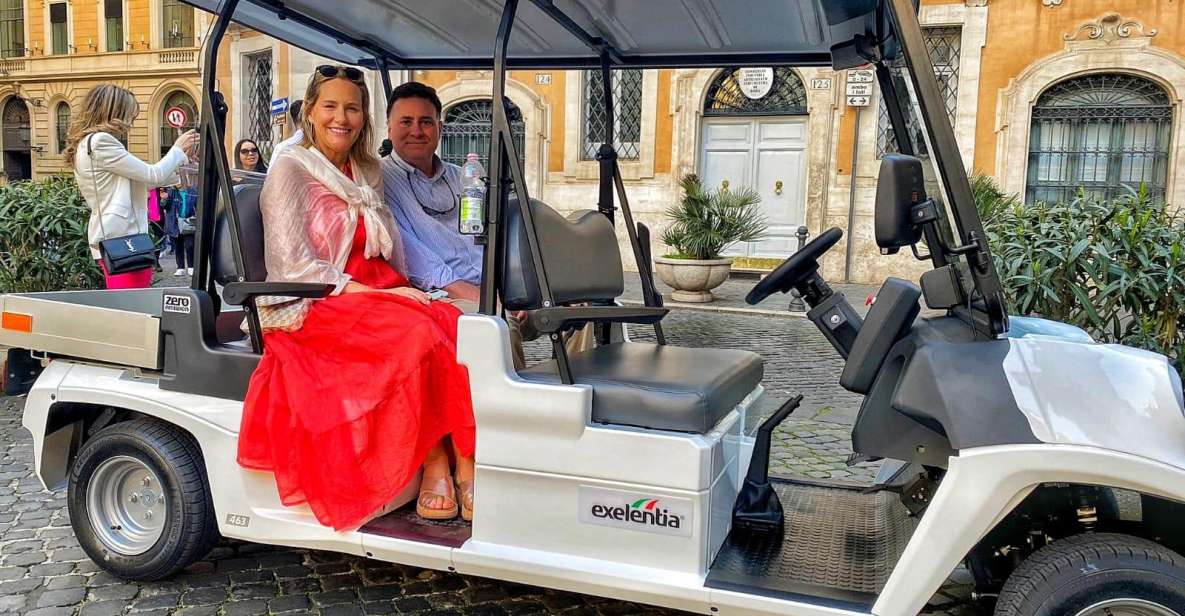
Rome is huge. A full sightseeing day can turn into long walks, sore feet, and you still miss something important. This format trades some wandering for speed and comfort, letting you cover major monuments while a guide keeps the story moving.
The private part matters more than you’d think. In a shared tour, you’re often stuck answering the same questions and moving when the loudest person needs to move. Here, your group can ask what you care about—history, architecture, or just how the city actually works—without feeling rushed or ignored.
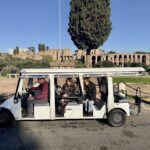
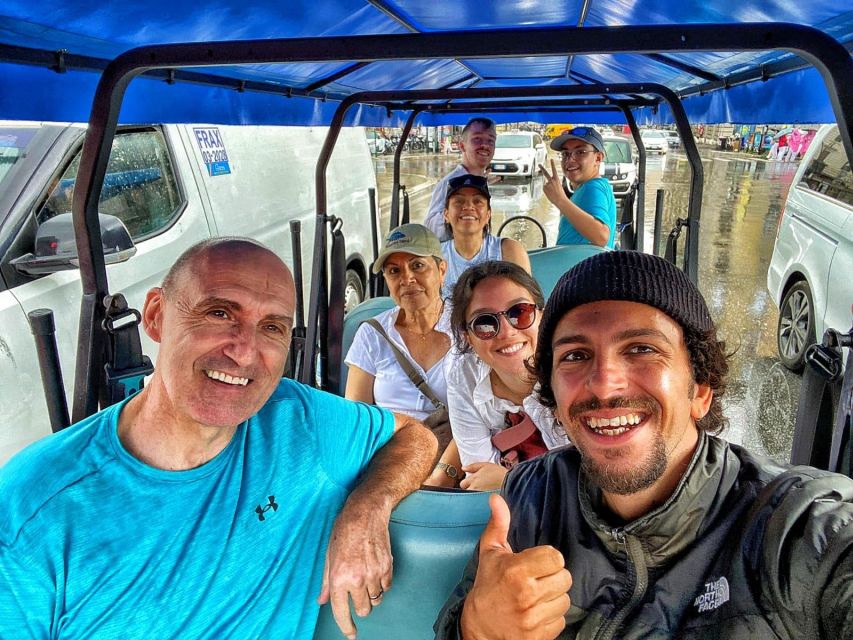
And yes, you do ride. The golf cart keeps you on the move, so you can spend your energy looking at details instead of just surviving the route.
You can also read our reviews of more guided tours in Rome
Meeting at Piazza della Repubblica (and What That Means for Getting There)
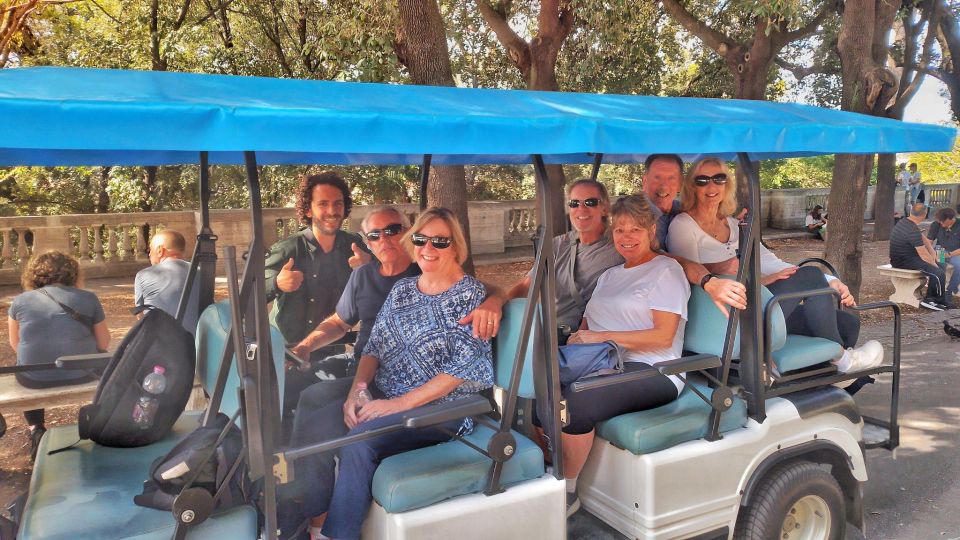
Your tour starts and ends at Piazza della Repubblica, 48, with the meeting point described as the front of the hotel Anantara. That’s a central area, which usually makes arrival simpler than remote departures.
One practical catch: pickup outside the ZTL area isn’t included. ZTL is a restricted-traffic zone in Rome, so if you’re staying at the edge of it—or planning a taxi drop-off right at the hotel door—plan to meet within the provided zone. If you’re staying in central Rome, this usually won’t be a problem. If you’re deeper in a restricted area, expect to coordinate your exact meeting spot.
Also, the route can shift for seasonal schedules, holiday availability, or bad weather. In Rome, that’s normal. You’ll still get the core sights, just with slight adjustments.
Outside the Colosseum: Seeing the Big Picture Without Losing Time
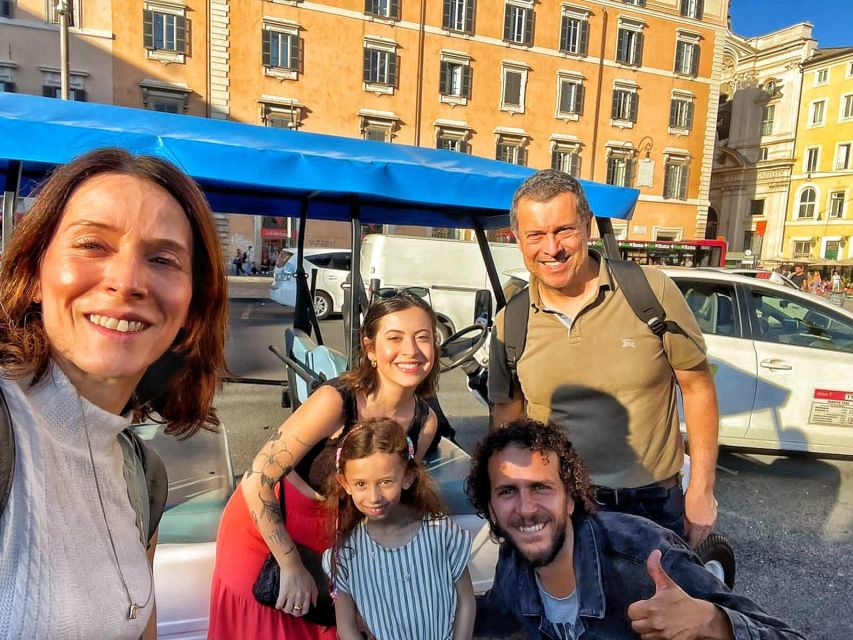
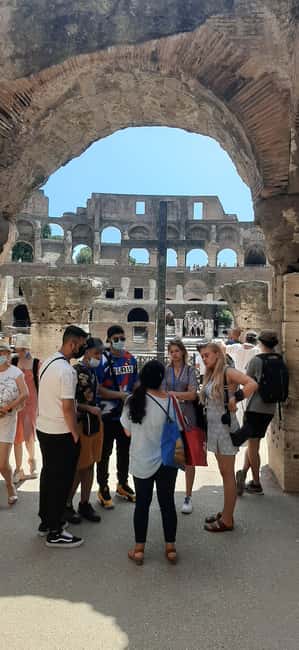
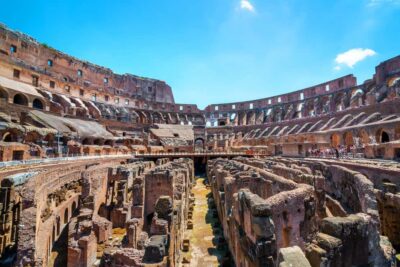
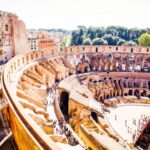
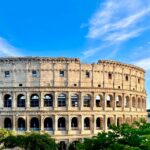
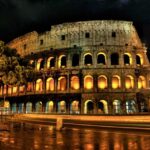
The route begins with the Colosseum from the outside. This is a great opening move because it helps you understand where everything sits. The guide can frame what you’re seeing—what the Colosseum means, what surrounded it, and how the neighborhood evolved.
What makes this stop work in a golf cart tour is the context. You’re not just staring at a famous wall. You’re getting the quick mental map you need for the rest of the day.
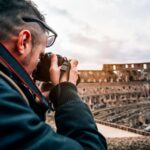
If your group wants photos, this is also a good moment to get them early, before the city fills up. Just keep your camera ready for sudden viewpoints as you roll along.
Trevi Fountain to the Pantheon: Two Icons, One Easy Rhythm
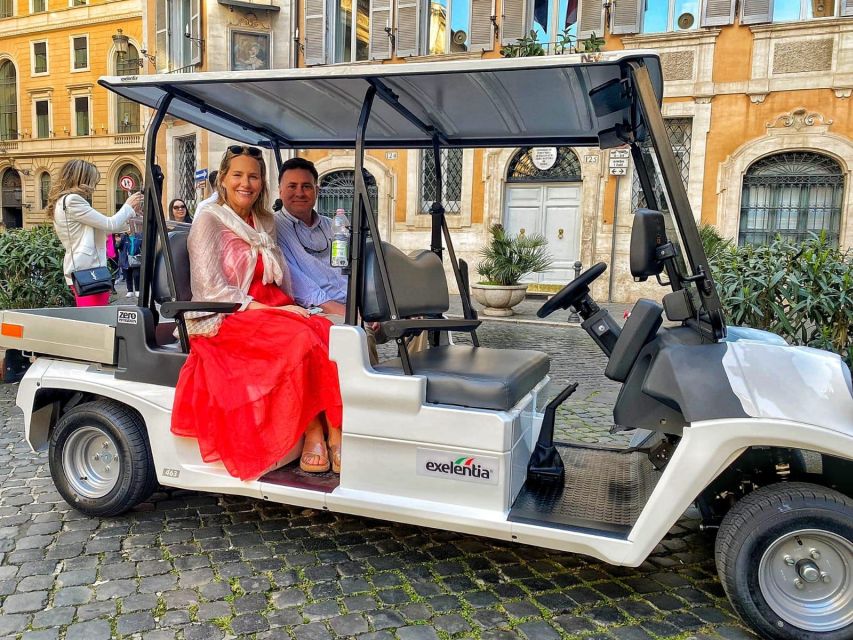
Next up is Trevi Fountain, then the Pantheon. These are Rome’s headline names, but the value here isn’t only seeing them. It’s having someone connect the dots between them so your visit feels less like a checklist.
Trevi Fountain is pure spectacle, and you’ll feel that instantly. The guide’s job is to translate what you see into something you can remember: the design, the symbolism, and why this place keeps pulling people in year after year.
The Pantheon comes with a different kind of wow. Even without going deep into museum time, the commentary can make the building click—what stands out, how it’s arranged, and why the architecture has lasted. In a cart tour, you still get the core meaning without losing hours.
If you love stories that connect art and everyday life, this is one of the strongest parts of the day.
Roman Forum Area, Suburra, and the Column of Trajan: Ancient Rome Comes Alive
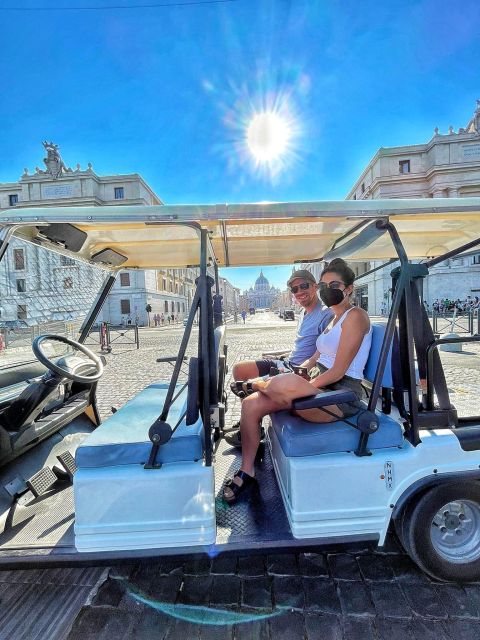
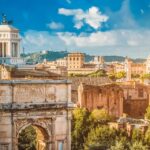
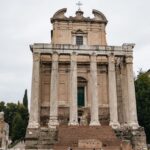
After the big showpieces, you start getting closer to the “how Rome really lived” theme. The route includes the Roman Forum from the outside, plus the Column of Trajan and Suburra.
Suburra is especially interesting because it’s less about monuments and more about atmosphere. It’s the kind of place the guide can describe in human terms: where people moved, how neighborhoods functioned, and what kind of life might have filled the streets.
The Column of Trajan is a stop that rewards attention. If you like details, your guide can point out what makes it meaningful and how it fits into the bigger political and cultural picture of ancient Rome. The cart format keeps you moving, so you can take in the column without the day turning into an endurance test.
For many first-time visitors, this section is where the tour stops feeling like sightseeing and starts feeling like understanding.
You can also read our reviews of more private tours in Rome
Venice Square, Marcellus Theater, and the Insula: Small Stops With Big Meaning
The route also includes Venice Square and the Marcellus Theater, plus the Insula, described as the first condominium in the world. That’s a fun label—and it can help you frame why the stop matters.
An insula is the kind of building people lived in, not just a monument people visited. So even if you’re not going inside, the guide can make the point: Rome wasn’t only emperors and temples. It was everyday housing, crowded life, and real neighborhoods.
Marcellus Theater and Venice Square add another layer: Rome as a city that keeps building over itself. The guide’s anecdotes often work best here, because the contrasts between old and newer parts become obvious when someone explains what you’re seeing as you pass.
This is the section where I’d tell you to slow down your phone camera urge and actually look at what the guide points out. The cart moves, but you can still catch details.
Aventine Hill, Mouth of Truth, and St. Mary Major: Classic Rome With Atmosphere
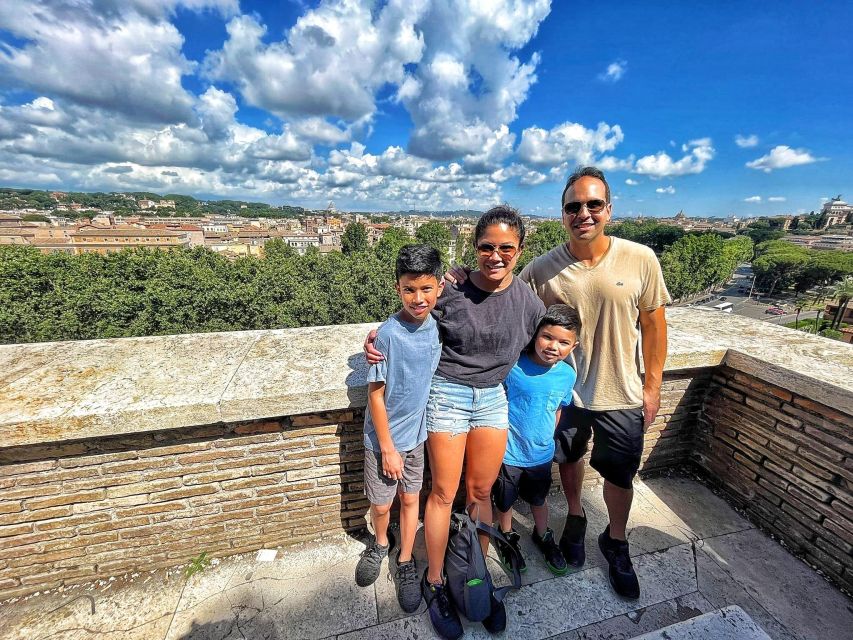
Toward the later portion of the route, you reach Aventine Hill and the Mouth of Truth, then finish with the Papal Basilica of Saint Mary Major.
Aventine Hill is known for views and viewpoint energy. Even from the cart, the guide can point out why the hill matters and what makes it different from other Rome vantage spots.
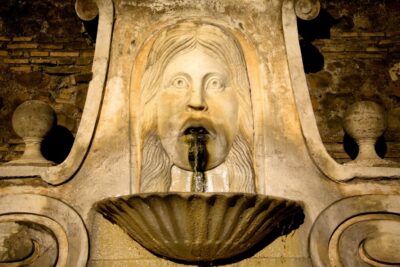
The Mouth of Truth is a stop that plays well with storytelling. It’s famous, sure, but the real value is hearing the context that makes the legend make sense and why it’s still part of Rome’s public imagination.
Saint Mary Major brings the day back to a more spiritual and architectural side. A basilica stop gives you a sense of Rome beyond the “ancient ruins only” angle, and it’s a nice way to balance the route before the final gelato finish.
The Orange Garden Pause and the Wine-and-Snack Option
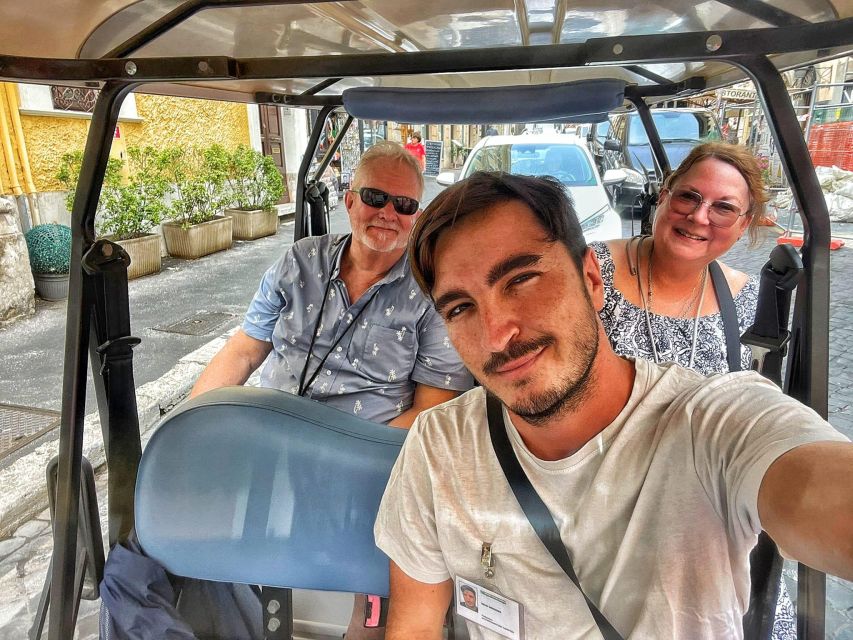
There’s an orange garden stop on the route, described as a beautiful and romantic panoramic point over Rome. If you choose it, there’s an option to add wine and a small snack from Apulia.
Even if you don’t add the wine, the garden stop is valuable because it changes your pace for a moment. You get a pause in the sightseeing cycle, plus a viewpoint where your guide can point out what you’re looking at from up high. For many people, this is the moment the whole day starts to feel like a trip, not just a route.
Gelato at the World Champion Shop Since 1947
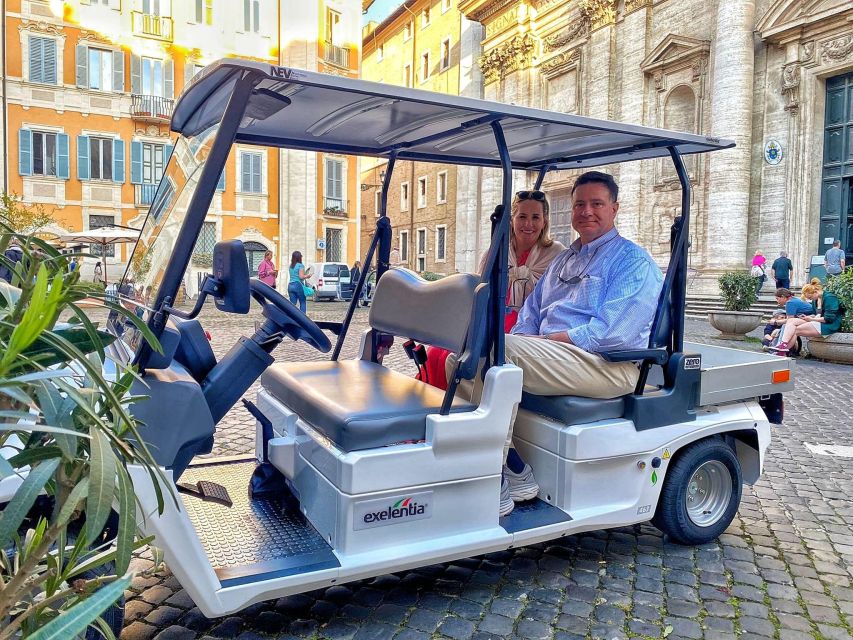
The tour wraps up with gelato at a world champion ice cream shop that has been operating since 1947. That’s the kind of detail that turns a “snack stop” into an actual moment.
This is also a practical win. You end while you’re still in the flow, so you don’t lose the day to searching for food. Your guide’s advice on where to eat like a true Roman also becomes more useful now, because you’ve already learned what neighborhoods feel like and what styles of places to look for.
If you’re traveling with kids, gelato is a simple reward that keeps everyone in a good mood for the final stretch. And in the reviews I saw, the guide handling for children came up as a real strength.
Guide Style: Roman-Native Storytelling With a Personal Touch
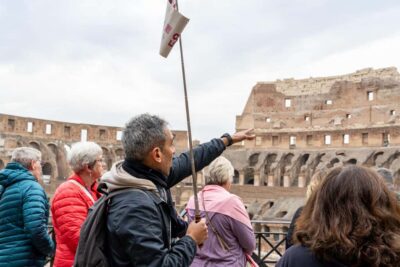
The tour’s guides are natives of Rome, and their focus is on anecdotes and curiosities—plus hidden treasures that only a Roman would mention. That “only a local would say this” angle is exactly what makes a guided cart tour worth it, because the sights are famous but the meaning isn’t always obvious from the curb.
Two names stood out: Stefano and Marta. In feedback, Stefano was described as funny, open, and able to tailor the tour to the group’s wishes. Marta was praised for being great with kids, while still keeping the adults’ attention.
That combination matters. You want a guide who can keep the energy up and also explain things clearly enough that you walk away with facts you actually remember.
One more practical note: your guide will share advice on where to eat and how to avoid tourist traps. That’s not just chatter. It can save you time and money later.
How Much You’ll See in 4 Hours (and What to Expect From the Format)
Four hours sounds short until you compare it to how long Rome usually takes. The route packs in major landmarks—Colosseum, Trevi Fountain, Pantheon, Roman Forum area, Trajan’s Column, Marcellus Theater, Aventine Hill, Mouth of Truth, and Saint Mary Major.
In this type of golf cart tour, you’re working with a “big moments + guiding commentary” style. You’ll get plenty of looking, listening, and photo-friendly stops, but it’s not designed to turn into a long sit-down museum day.
So if your dream is only indoor ticketed attractions and slow wandering at every stop, you may feel the time pressure. If your dream is a clear first pass through Rome’s highlights with a local storyteller guiding the path, four hours is a strong sweet spot.
Price and Value: Is $155.20 per Person Worth It?
The price is $155.20 per person for a 4-hour private tour, and it includes the essentials: a local guide, transportation by golf cart, gelato, and a souvenir. Gratuity isn’t included.
The value calculation comes down to your group size and your travel style. If you’re a couple or a small group, private transport usually costs more than shared tours—but you also gain something you can’t easily price: less hassle, a tailored pace, and a guide who can steer attention to what you care about.
For first-time Rome visitors, I think this can be good value because the tour compresses planning. You don’t have to decide in advance which monuments belong together or how to organize the day logically. Your route is already built, and your guide adds the context so it feels like a coherent story, not scattered stops.
Who Should Book This Tour?
This is a great match for:
- First-time visitors who want the big highlights without spending the whole day on foot
- People who like guidance and stories more than solo wandering
- Families, since the tour style has shown it can work well with children
- Anyone who wants a comfortable pace and appreciates practical local tips
It’s not a match for everyone:
- It’s stated as not suitable for pregnant women
- If you’re hoping for a heavy dose of indoor time at each landmark, you may want a different format or longer option
If you’re wheelchair planning, this tour is marked wheelchair accessible, which is a big plus for Rome.
Should You Book This Rome Golf Cart + Gelato Tour?
I’d book it if you want a smart, efficient introduction to Rome with a private guide and an easy, comfortable way to hit the top monuments. The best part isn’t just the famous stops—it’s the way a native Rome guide can connect them with stories, plus the practical food advice.
I’d skip or rethink it if your main goal is deep indoor sightseeing at every stop, or if you need the tour to accommodate pregnancy. Also, keep the ZTL pickup limitation in mind so you’re not surprised on the day.
If you’re trying to see Rome like a local for a half-day, this is one of the more practical ways to do it.
FAQ
How long is the golf cart tour?
The tour duration is 4 hours.
Is this tour private?
Yes. It’s a private group tour, so only your group participates.
What’s included in the price?
Included items are a local guide, transportation by golf cart, gelato, and a souvenir.
Where do you meet for the tour?
The meeting point is listed as Piazza della Repubblica, 48, described as in front of the hotel Anantara.
What languages are offered for the guide?
Guides are available in Italian, English, Russian, and Spanish.
Does the tour include gelato?
Yes, gelato is included, served at a shop that has been operating since 1947.
Is the tour wheelchair accessible?
Yes, it’s wheelchair accessible.
Is the tour suitable for pregnant women?
No, it’s listed as not suitable for pregnant women.
Is tipping included?
No. Gratuity is not included.
Are there other tour options besides 4 hours?
Yes. Other options mentioned include a 6-hour tour, a Sunset option, and a combo option that adds Vatican Museums.