REVIEW · ROME
Dark Heart of Rome – Facts, Legend & Mystery Walking Tour
Book on GetYourGuide →Operated by City Wonders Ltd. · Bookable on GetYourGuide
Rome can feel totally different after dark. This English night walking tour leads you through Rome’s shadowy legends for 1.5 hours, with stories you will not hear on the usual sights-and-stops circuit.
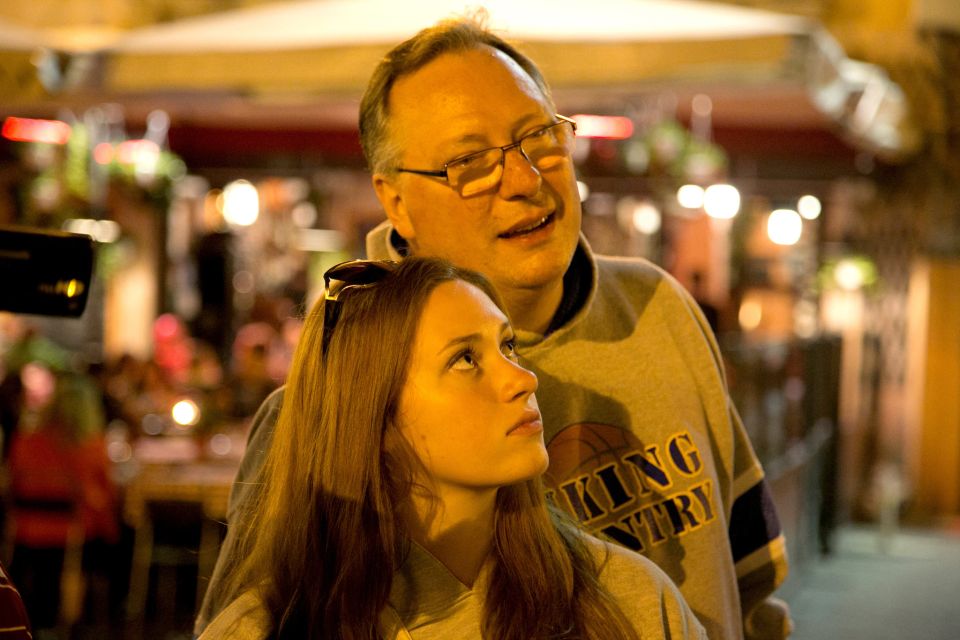
Two things I really like: first, it is pitched as a proper night experience, with the city lit up and the streets quieter than daytime Rome. Second, the best part is the human one: guides bring a sharp mix of history and supernatural storytelling, with a dark sense of humor that people single out again and again (names you may hear attached to this tour include Inti, Alberto, Rob and Alethia).
One consideration: you will do a fair amount of walking, and it is not suitable for wheelchair users or guests with mobility impairments. Also, strollers are not allowed, so come light and ready for evening legs.
In This Review
- Key Things to Know Before You Go
- Entering Rome’s Dark Heart From Sant’Andrea della Valle
- What the 90 Minutes Feels Like (And Why Timing Works)
- Campo de’ Fiori at Night: More Than a Daytime Square
- Corso Vittorio Emanuele II to the Narrow Lanes
- Piazza Farnese: When the Views Get Eerie
- Via Giulia and the Walk Toward Castel Sant’Angelo
- The Guides Make the Tour (And They Really Do)
- Price vs. Value: Is $14 Worth It?
- Who Should Book This Night Mystery Walk
- Practical Tips to Make It Comfortable and Enjoyable
- Should You Book Dark Heart of Rome?
- FAQ
- How long is the Dark Heart of Rome walking tour?
- Is the tour in English?
- Where do I meet for the tour?
- Where does the tour end?
- Is hotel pickup included?
- Are strollers allowed?
- Is the tour wheelchair accessible?
- How much walking is involved?
- Can I cancel for a refund, and is there pay-later booking?
Key Things to Know Before You Go
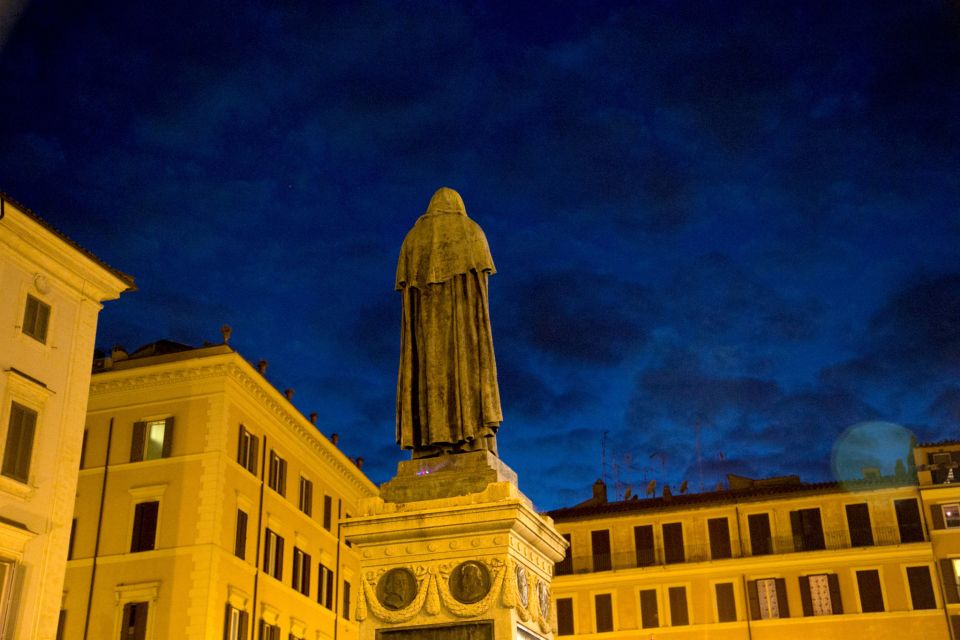
- Rome at night, in English: this is designed specifically for an evening start with an English-speaking guide.
- A darker angle on familiar places: you pass through areas like Campo de’ Fiori and Corso Vittorio Emanuele II, but the stories change how you see them.
- Storytelling is the main show: guides are praised for humor, energy, and interactive group attention.
- Good “first-night” activity: it gives you a mental map of Rome you can use on later days.
- Ends at Castel Sant’Angelo: you finish with public transport and taxis nearby.
Entering Rome’s Dark Heart From Sant’Andrea della Valle
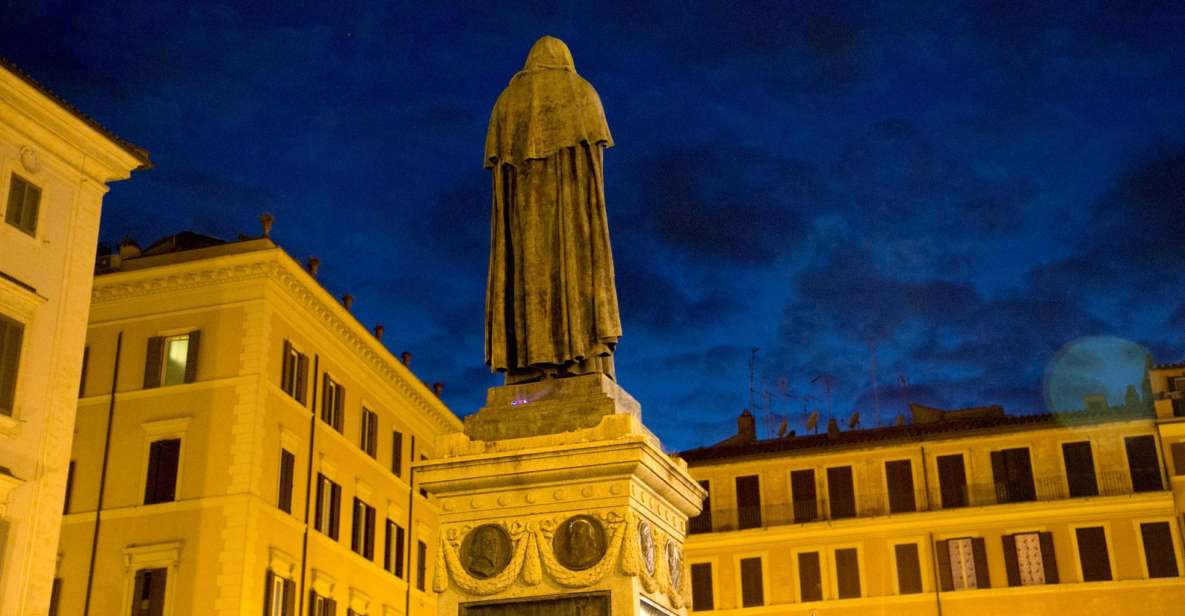
The tour starts on the steps of Sant’Andrea della Valle, right on Corso Vittorio Emanuele II. You’ll meet about 150 meters from Largo di Torre Argentina, on the left-hand side if you’re walking toward the Tiber River. It’s also right by Piazza Vidoni and Piazza Sant’Andrea della Valle, so it’s not hidden in some random alley with no landmark clue.
This meeting spot matters more than it seems. It places you near the historic center’s flow, so you can go from “I’m orienting myself” to “I’m in the story” fast. By the time you start walking into the older lanes, you’re already in the right mood: Rome at night has less visual clutter, and that makes the guide’s spooky facts land better.
If you like guided walking tours because they help you notice what you would otherwise miss, this one has a strong advantage: the guide doesn’t just list buildings. They connect locations to legends and lesser-known history, so the streets feel linked, not random.
You can also read our reviews of more walking tours in Rome

What the 90 Minutes Feels Like (And Why Timing Works)
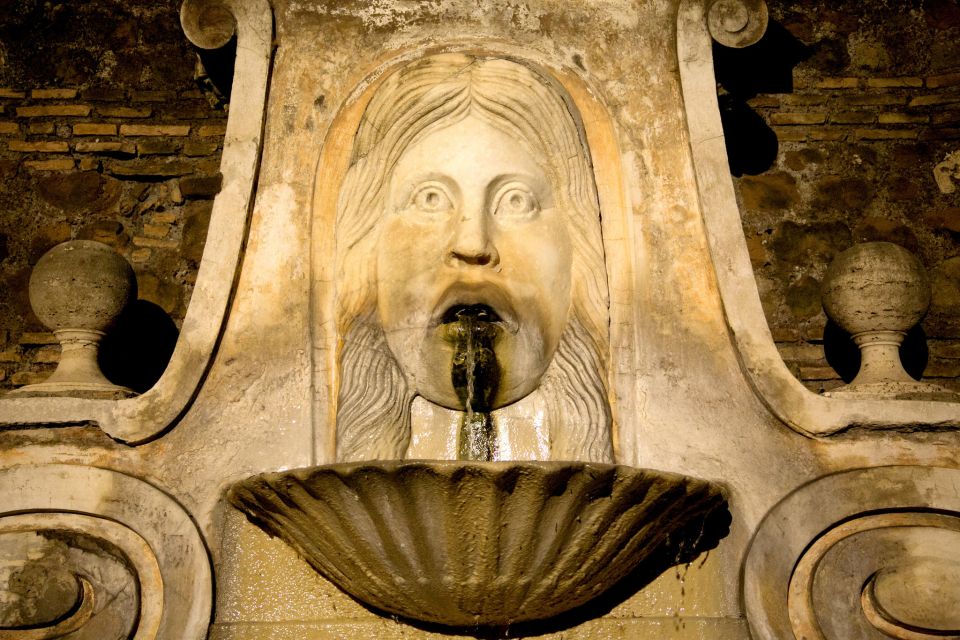
This is a 1.5-hour evening walk. That length is ideal for two reasons. First, it’s long enough for a real narrative arc, where the guide can build tension and context. Second, it’s short enough that you still have time after the tour to eat, wander, and digest what you just learned.
The rhythm is “stroll with purpose.” You’re not sprinting between major monuments. Instead, you’re walking through winding lanes in Rome’s historic center while listening to ghostly tales and supernatural legends that the everyday tourist route mostly skips.
If you’re a traveler who gets tired after too much standing still and too many “look at that” moments, this tour’s walking format is a good fit. It keeps moving, and at night the temperature and atmosphere can make the whole experience more comfortable than you might expect.
Campo de’ Fiori at Night: More Than a Daytime Square
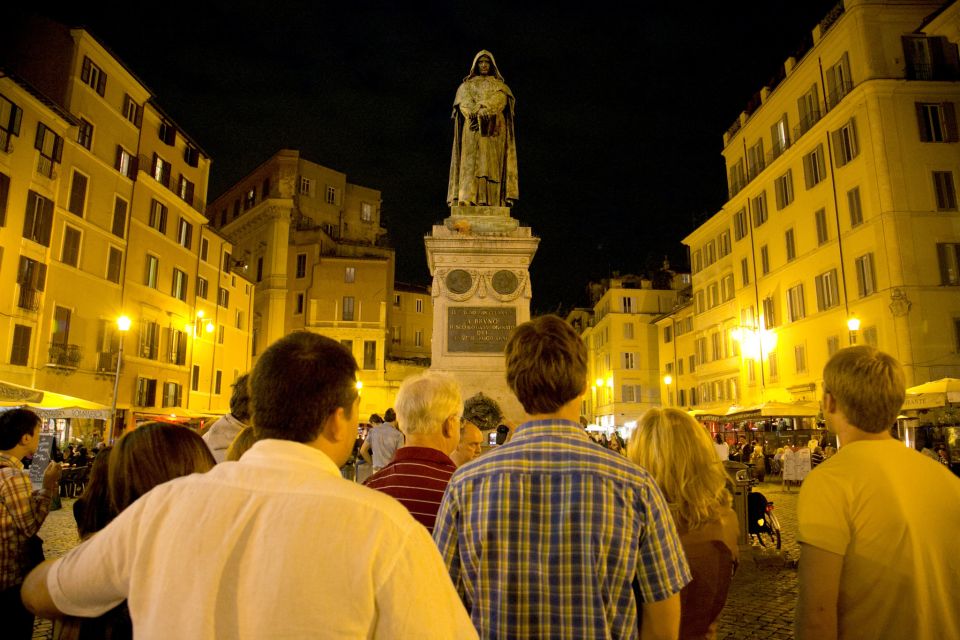
One of the headline stops is Campo de’ Fiori. In daytime, it’s easy to see it as a lively square you might pass through. On this tour, it becomes part of a darker Rome—where facts and legend blend into stories you’re meant to picture, not just memorize.
What makes this stop feel special is the contrast. You’re not only seeing the place after dark; you’re also hearing the kind of backstory that usually stays off the standard itinerary. That changes how you look at the buildings, the corners, and the nearby streets. You start noticing small details—doors, passages, sightlines—that feel like they belong to a different era.
And because the tour is in English, you can focus on the narrative. No “wait, what did the guide say?” moments. You can actually keep up with the plotline the guide is building across Rome’s center.
Corso Vittorio Emanuele II to the Narrow Lanes
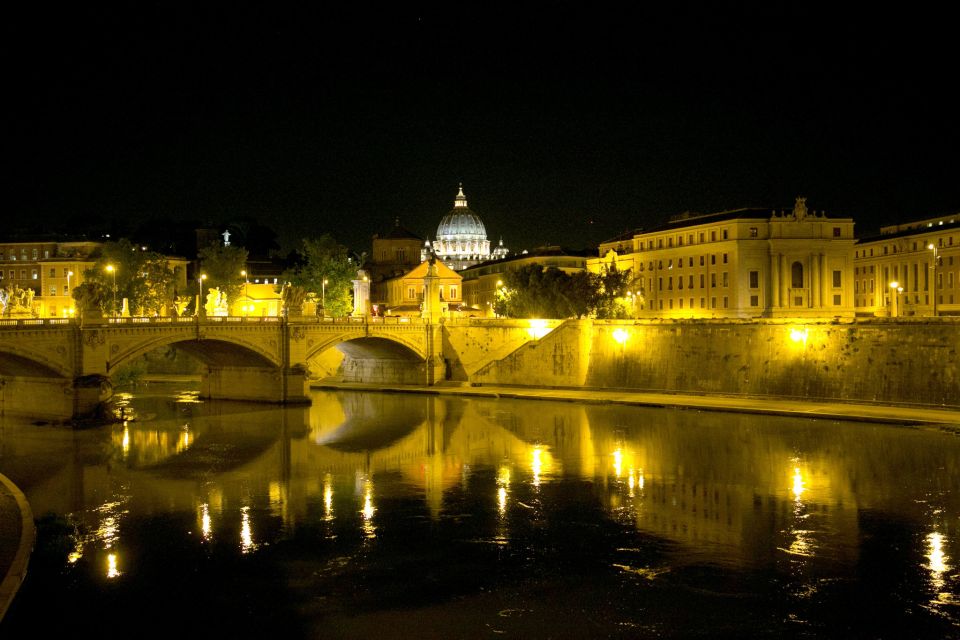
The tour route includes Corso Vittorio Emanuele II, which is a smart connector street. It’s practical for getting started because it links major areas without requiring you to hunt for the first quiet alley on your own.
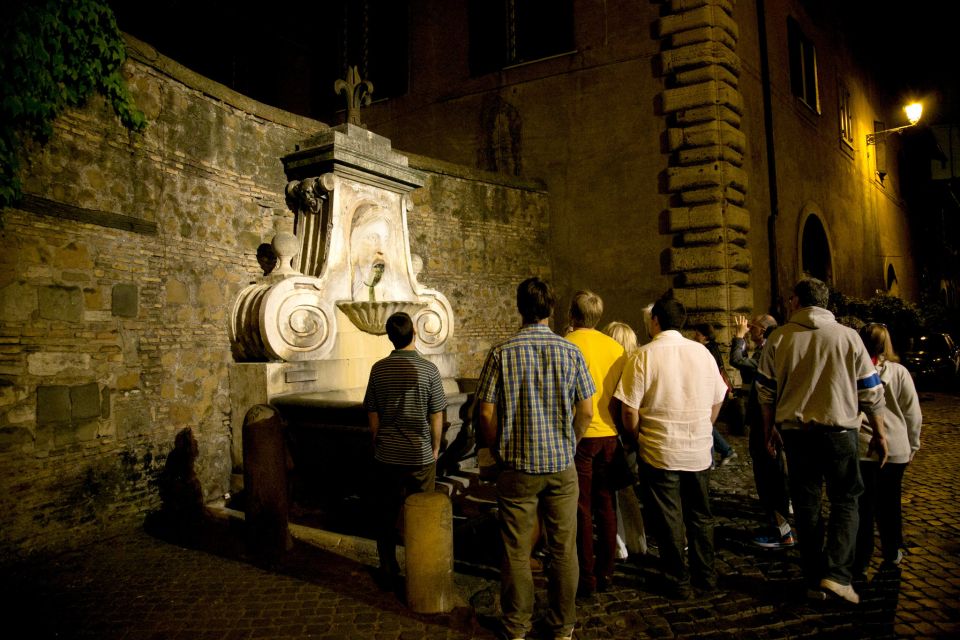
After that initial stretch, the experience shifts. You move into narrower lanes where it’s easier to feel the city’s old layers. Via del Governo Vecchio is specifically on the route, and so is Via Giulia. Those street names aren’t just “between points.” In a tour like this, they’re part of the guide’s technique: moving you from the clearer, more open streets into the kind of Roman street texture where legends feel believable.
This is where the tour earns its “dark heart” reputation. You get the sensation of walking in the shadow of Rome’s older mysteries, rather than ticking off big landmarks. If you enjoy true-crime-style storytelling or you like legends that have a historical backbone, this is the zone where you’ll probably lean in the most.
Piazza Farnese: When the Views Get Eerie
Another named stop is Piazza Farnese. Even if you’ve seen this area in daylight, nighttime changes the feel. Shadows stretch differently, and the square’s character comes through more slowly—less like a postcard, more like a stage set.
On this tour, Piazza Farnese becomes a storytelling hinge. The guide’s job here is to keep the narrative moving forward while giving you time to look up, look around, and let the atmosphere do part of the work. In plain terms: you don’t just pass through. You take it in, and the guide gives you the story angle that makes the place feel tied to Rome’s darker side.
This is also a good moment to keep your phone use minimal. You’ll get better value by listening and watching. You’re in a guided walk where the details matter, and the guide is usually steering your attention toward the exact things a casual tourist glance would miss.



Via Giulia and the Walk Toward Castel Sant’Angelo
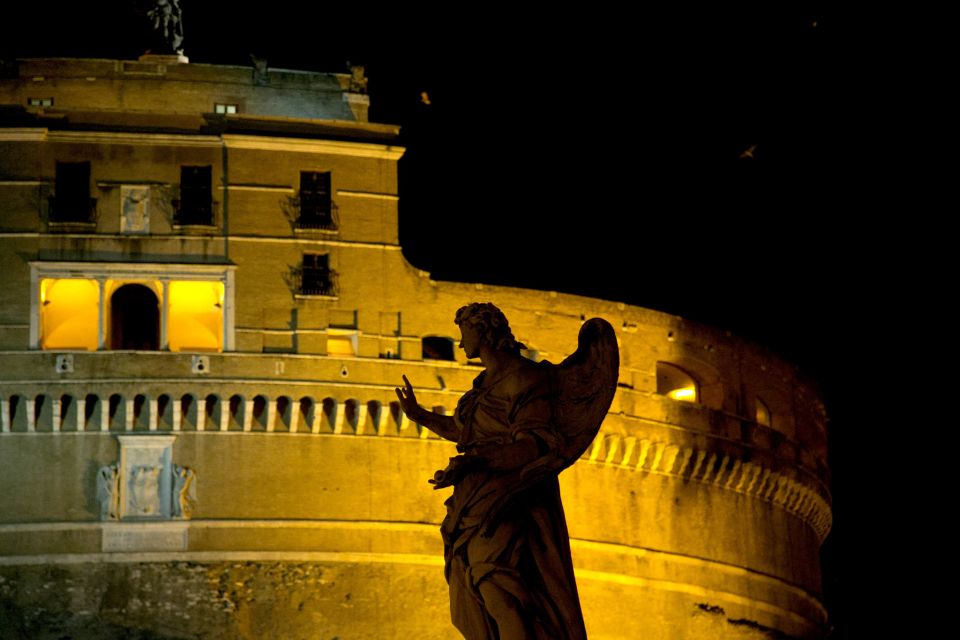
The route keeps referencing streets with texture—Via Giulia and nearby lanes—and then moves toward the finish at Castel Sant’Angelo. In many walking tours, the last stop is just a closing photo. Here, the end position helps, because Castel Sant’Angelo sits in a place that connects night atmosphere with easy exit options.
As you approach the end, you’ll likely feel a subtle shift: you go from tucked-in lanes back toward a more reachable evening zone. That’s good planning. When the tour ends at Castel Sant’Angelo, you’re not stuck wondering how you’ll get home. The information says public transport and taxis are easily accessible from there.
If you want to keep the night going, you can. If you want to decompress, you still have a clear, central location to regroup. Either way, the ending is practical.
The Guides Make the Tour (And They Really Do)
This experience rises or falls on storytelling, and the feedback pattern is consistent: the guides are praised for keeping people engaged without turning it into a long, gloomy lecture. People mention things like charismatic delivery, a friendly presence, and a dark sense of humor.
Names that show up in standout accounts include Inti and Alberto, and several strong experiences credited Rob/Roberto and Alethia/Aletheia. The common thread is performance: you’re not just collecting facts; you’re getting an animated walk where the guide adjusts to the group and keeps the mood relaxed, even when the stories get sad or morbid.
Here’s another practical point: one person specifically noted that they did not need an audio system because the guide was clear. While setups can vary, it’s a good sign for you if you hate listening through a headset on city walks.
If you’re the type of traveler who likes “tell me a story” energy—especially when it’s paired with historical context—this tour is built for you.
Price vs. Value: Is $14 Worth It?
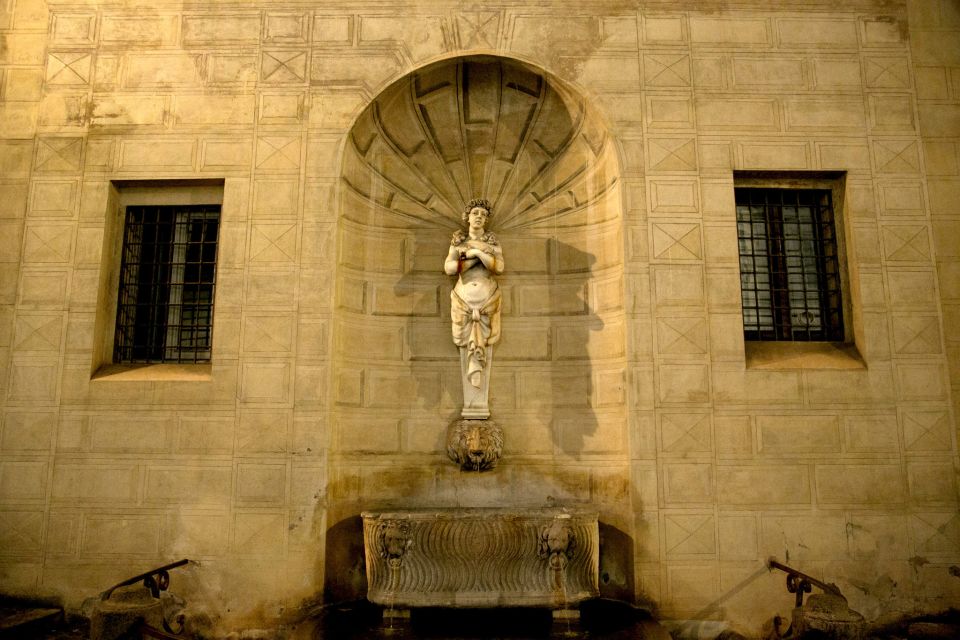
At $14 per person for a 1.5-hour English night tour, the value is strong, especially if you compare it to the cost of another standard Rome attraction ticket plus a separate guide. You’re paying for one thing: a guide-led walk that changes how you see Rome.
What you get that feels worth the money:
- A night route through historic areas that most sightseeing groups don’t linger in
- A guide who mixes supernatural-style tales with historical context
- The chance to notice details you would otherwise walk right past
Even better, this kind of tour often serves as a “Roman orientation tool.” Several accounts describe it as a way to improve the rest of your trip, because after seeing the darker side and learning where things are, you understand the city layout faster the next day.
If you want only major-ticket monuments, this won’t replace the big-ticket hits. But if you want something memorable, different, and reasonably priced, the math works.
Who Should Book This Night Mystery Walk
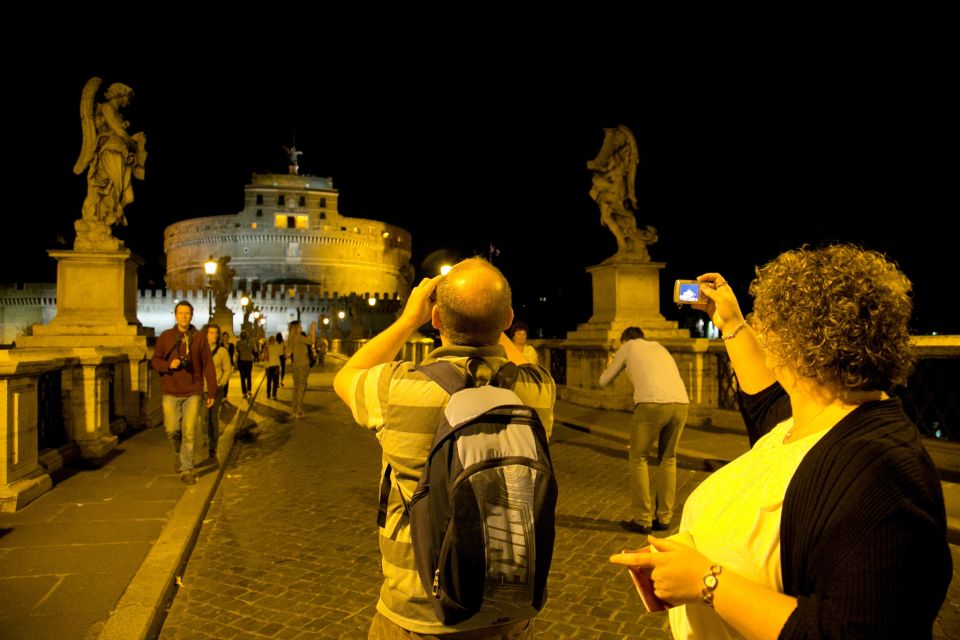
This tour is a great match if you:
- enjoy dark history, ghost stories, and supernatural myths
- like walking tours where the guide’s voice drives the experience
- want to see Rome at night without committing to something longer or more exhausting
It’s also a solid early-trip choice. The route passes through key parts of Rome’s center, so it can help you figure out where you want to return later for photos, gelato, or museums during daytime.
It’s not a fit if you:
- use a wheelchair or have mobility impairments
- need stroller access (strollers are not allowed)
- want a low-walking, sit-down experience
Practical Tips to Make It Comfortable and Enjoyable
You’ll want to plan for the basics. The tour involves a fair amount of walking, so comfortable shoes are essential. Rome sidewalks can be uneven, and at night you don’t want to be thinking about your feet.
Bring your mindset, too. This is not a “dates and dynasties” tour. The point is the blend—facts plus legend—and the guide uses that mix to keep you entertained while you explore quieter streets.
Also, plan to finish at Castel Sant’Angelo and decide ahead of time what you’ll do next. Since transport options are nearby, you can keep things flexible—grab a late dinner, take a short ride back, or continue exploring on foot if your energy is still there.
If you’re booking for a group, it’s worth noting that the guides are often described as interactive and attentive to individuals, which tends to make the experience feel more personal than a strict lecture format.
Should You Book Dark Heart of Rome?
I’d book this if you want Rome to feel a bit spooky, a bit clever, and much more human than the usual “official highlights” approach. At $14 for 90 minutes, it’s also one of the easier choices to fit into your schedule without feeling like you overcommitted.
Skip it if your main goal is the big name monuments and you only want daylight sightseeing. Also skip if walking distance or mobility needs don’t match the tour’s constraints, since it’s not designed for wheelchair users or guests with mobility impairments, and strollers are not accommodated.
If you like being guided through streets where the stories are the point, this is one of Rome’s most fun night bets.
FAQ
How long is the Dark Heart of Rome walking tour?
It lasts 1.5 hours.
Is the tour in English?
Yes, the tour guide speaks English.
Where do I meet for the tour?
Meet on the steps of Sant’Andrea della Valle Church on Corso Vittorio Emanuele II, about 150 meters from Largo di Torre Argentina, on the left-hand side heading toward the Tiber River.
Where does the tour end?
The tour ends at Castel Sant’Angelo.
Is hotel pickup included?
No, hotel pickup and drop-off are not included.
Are strollers allowed?
No. Baby strollers and pushchairs/strollers cannot be accommodated.
Is the tour wheelchair accessible?
No. The provider is unable to accommodate guests with wheelchairs or mobility impairments.
How much walking is involved?
This tour involves a fair amount of walking, so comfortable shoes are recommended.
Can I cancel for a refund, and is there pay-later booking?
Yes. There is free cancellation up to 24 hours in advance for a full refund, and you can reserve now & pay later.