REVIEW · ROME
Jubilee tour: art and popes in Rome in the golden age of Christendom
Book on GetYourGuide →Operated by Roman Art and History · Bookable on GetYourGuide
A walk through Rome with a Jubilee brain. This 3-hour route strings together Jubilee history and papal power on foot, with stops tied to the popes, the artists, and the scandals that came with “golden age” faith. I especially like how the guide frames each place as a clue—what happened here, who pushed for it, and why it mattered.
I also like the art angle: you’ll hear about the big names you want to see, and you’ll end up in parts of Rome that explain the why, not just the what. One thing to plan around: the Pantheon entrance is not included, so you’ll need a reservation through the Pantheon website to avoid missing that major moment.
In This Review
- Key things I’d circle on your Rome map
- Jubilee Through Rome, In Three Hours (And Why That Works)
- Piazza dell’Accademia di San Luca: Starting Where Artists Reported to Power
- Trevi Fountain: The Jubilee of 1650 and the Story Behind the Drama
- Pontifical Gregorian University Area: Culture With a Side of Control
- Galleria Sciarra to Piazza di Pietra and Piazza Colonna: Where Ancient and Christian Rome Overlap
- St. Ignatius (Sant’Ignazio) and Santa Maria Sopra Minerva: Two Church Interiors, Two Jubilee Stories
- Sant’Ignazio
- Santa Maria Sopra Minerva
- Pantheon: One of Rome’s Big Leaps Between Empires and Jubilees
- Sant’Ivo alla Sapienza: The Courtyard of the Jubilee Planners
- Caravaggio Near S. Agostino and S. Luigi: The Rebel Artist Moment
- Price and Logistics: What You’re Really Paying For
- Guides, Pace, and One Thing to Watch Closely
- Should You Book This Jubilee Tour?
- FAQ
- How long is the Jubilee tour?
- What’s the price per person?
- Where do we meet for the tour?
- Are entrances included, especially for the Pantheon?
- What languages are offered?
- Is this tour suitable for people with mobility issues or wheelchairs?
- What should I bring and what’s the cancellation rule?
Key things I’d circle on your Rome map
- Accademia di San Luca start: a quick launch point that explains how artists worked for the Pope’s world.
- Trevi Fountain link to the Jubilee of 1650: you’ll hear the story of rivalry tied to that celebration.
- Baroque learning at the Pontifical Gregorian University area: culture and faith in the same block.
- Two church interiors: Sant’Ignazio and Santa Maria Sopra Minerva, each tied to major Jubilee milestones.
- Pantheon focus on continuity: from Roman Empire roots to Jubilee meaning in Renaissance times.
- Caravaggio in the background of church Rome: the “rebel artist” story near Sant’Agostino and S. Luigi.
Jubilee Through Rome, In Three Hours (And Why That Works)
Rome’s Jubilees can sound like a big abstract idea: a religious event repeated across centuries. This tour keeps it practical by treating the city like a timeline. You don’t just see monuments—you see how popes used art, architecture, and public spectacle to shape belief and power.
At $71 per person for about 3 hours, the value is in the guidance and the route logic. You get a semi-private small-group walk with a history-and-art-history focus, plus visits to more than ten key places ranging from ancient Rome to Christianity’s early moments and the Renaissance/Baroque world.
The format isn’t built for people who want to linger for an hour in each church. The upside is you’ll cover a lot of ground with a narrative thread. The trade-off is that if you’re hoping for long, quiet cathedral-style interior time, you may need follow-up visits on your own.
You can also read our reviews of more tours and experiences in Rome.

Piazza dell’Accademia di San Luca: Starting Where Artists Reported to Power
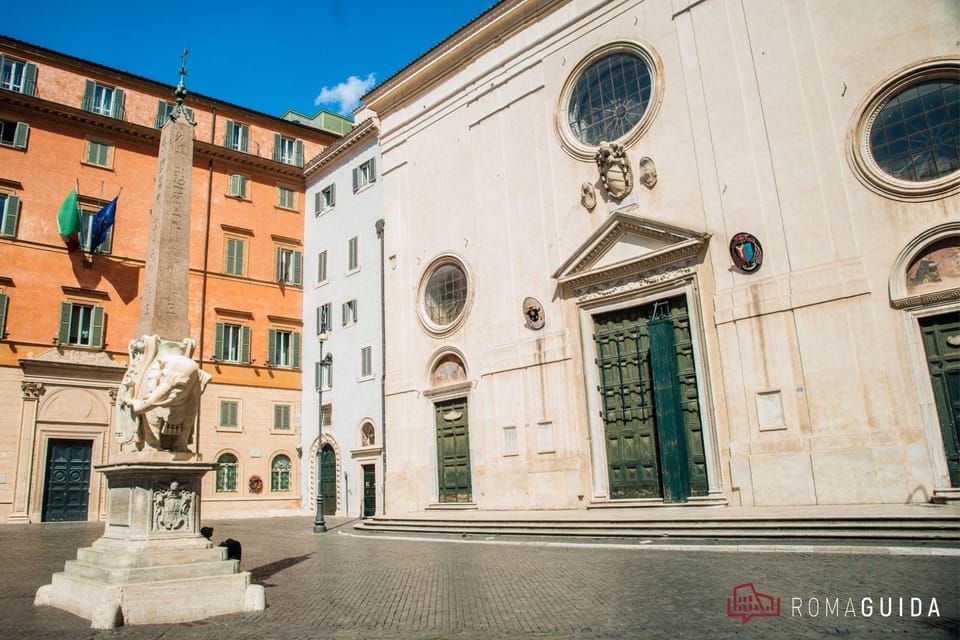
You begin in front of the Hotel all’Accademia at Piazza dell’Accademia di San Luca. That’s a smart setup because Accademia di San Luca connects Rome’s art world to the church system that financed and promoted it.
The short guided stop (about 5 minutes) helps you understand the machinery behind “great art.” This isn’t just about Michelangelo-level genius; it’s about commissions, prestige, and how the Pope’s orbit shaped what got built and displayed.
Practical tip: arrive a bit early and take a second to orient yourself. Starting right on Piazza del’Accademia can be busy, and this tour moves briskly.
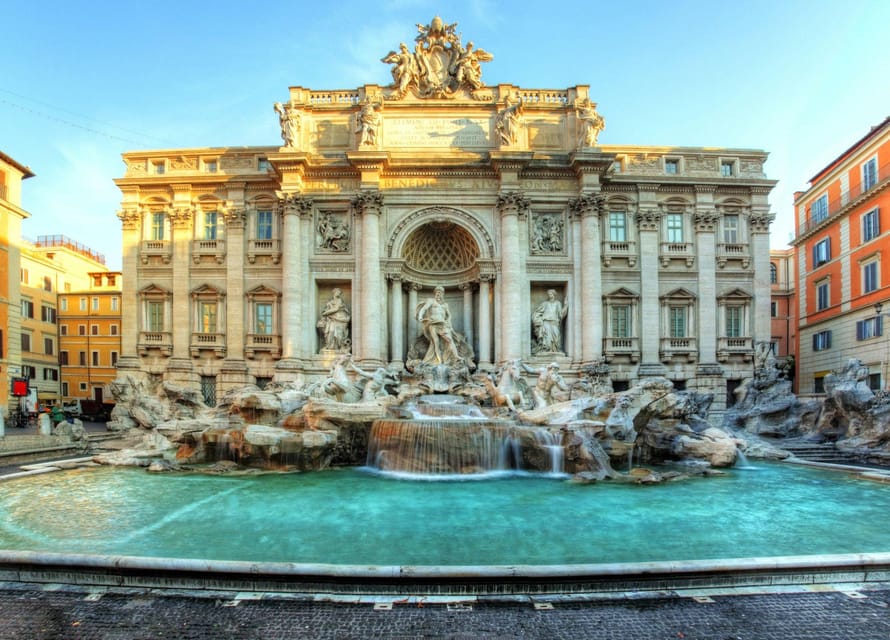
Trevi Fountain: The Jubilee of 1650 and the Story Behind the Drama
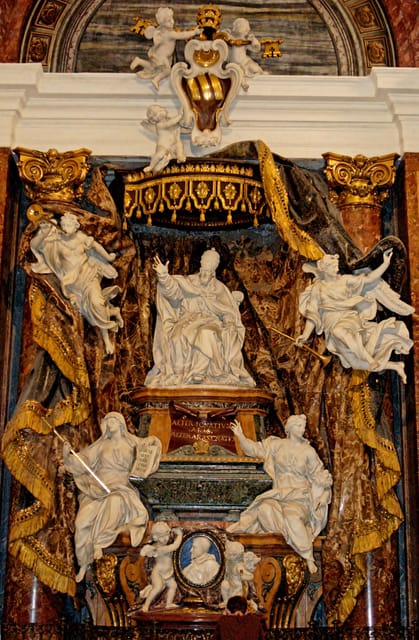
Next is the Trevi Fountain for about 15 minutes, but the focus isn’t only the fountain itself. You’ll hear a Jubilee story tied to 1650, including a rivalry between two famous artists connected to that celebration.
Why I think this is worthwhile: Trevi is easy to treat like a postcard. But the Jubilee angle turns it into something political and personal—art as influence, and influence as competition. In Rome, many “beauty moments” come with power struggles behind the scenes.
The one drawback here is simple: the fountain is always crowded. Even with a guide, you’ll likely get more of a story than a slow, photo-perfect viewing session. Bring patience, and take your photos quickly.
Pontifical Gregorian University Area: Culture With a Side of Control
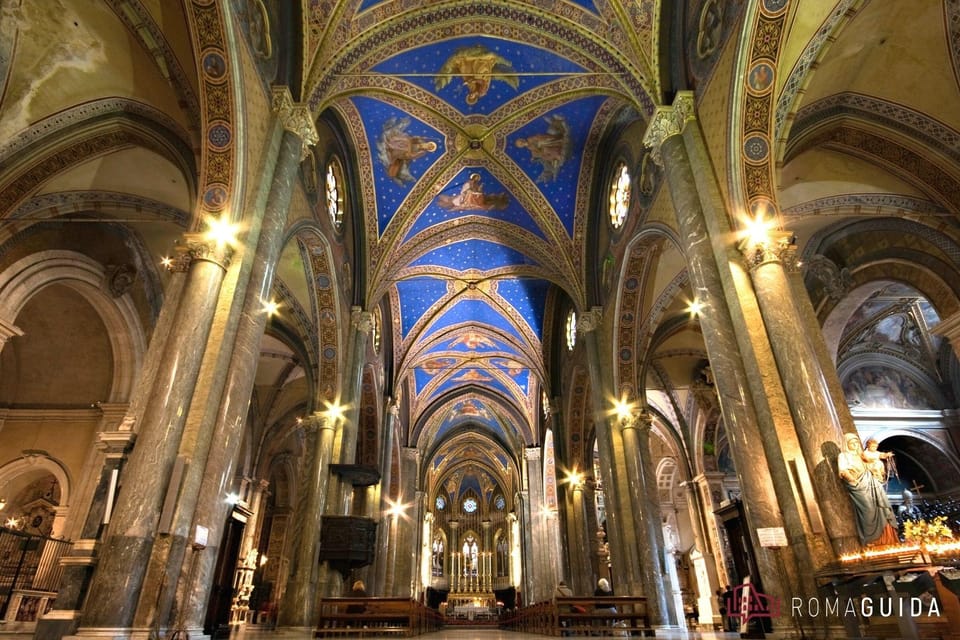
Your route continues to Piazza della Pilotta and the Pontifical Gregorian University area (about 10 minutes). This is one of those Roman stops that feels like a detour until the guide makes the connection: it’s a beacon of culture in Baroque Rome and beyond—an education hub with a church-shaped worldview.
The value of this moment is how it expands the Jubilee beyond processions and paintings. If you want to understand the “golden age” idea, you have to see how the church built institutions that trained people, supported scholarship, and influenced what counted as truth.
One consideration: the time here is short. If you’re a campus-wander type, you might wish you had more minutes to explore the surroundings beyond the guided points.
Galleria Sciarra to Piazza di Pietra and Piazza Colonna: Where Ancient and Christian Rome Overlap
You then move through the Galleria Sciarra and its frescoes, reaching Piazza Colonna and Piazza di Pietra (each gets around 10 minutes depending on the block). The tour highlights the meeting point where ancient Rome connects to the origin of Christianity.
This is a strong stretch for first-timers because the guide helps you read layers quickly. One minute you’re in classic stone-and-stairs Rome; the next you’re hearing how those same spaces became meaningful for Christian storytelling and Jubilees.
Potential drawback: this section is visually intense, and you’re on your feet. If you’re sensitive to motion sickness (or easily overwhelmed in crowds), keep your focus tight and stop for a breath when you can—don’t power through on empty.


St. Ignatius (Sant’Ignazio) and Santa Maria Sopra Minerva: Two Church Interiors, Two Jubilee Stories
One of the best parts of the tour is that it includes entry to two churches—not just exterior facades.
Sant’Ignazio
Sant’Ignazio is where you’ll hear how popes, Jesuits, knights, and artists all intersected with the 15th-century world—especially the spirit of discovery connected to the New World. The point isn’t trivia for trivia’s sake. It’s how church networks and art-making fed global ambitions and public image.
Santa Maria Sopra Minerva
Then comes Santa Maria Sopra Minerva (about 10 minutes). This church is central to the Jubilee story because it is linked to the first Jubilee in history in 1300. It’s also the place where St. Catherine of Siena rests.
If you care about faith history, these two church stops do a good job of balancing human drama with sacred space. The first helps explain the culture machine; the second anchors the whole tour’s Jubilee theme in a specific historical starting point.
Timing note: the church entry time is limited. You’ll get guided highlights, but you won’t have hours to stare at every artwork. Think of this as a “set the story” visit, then plan a longer solo visit later if a specific detail catches you.
Pantheon: One of Rome’s Big Leaps Between Empires and Jubilees
Next you reach the Pantheon for about 15 minutes. The guide frames it as a continuity story: its millennial background starts in the Roman Empire, then it becomes tied to the Jubilee meaning in Renaissance times.
This kind of framing is exactly why guided tours help. The Pantheon is famous enough that you might assume you already know it. But hearing how it fits into Jubilee-era thinking gives you a new angle, even if you’ve seen it in photos a hundred times.
Important: Pantheon entry is not included. You’ll need nominal reservations via the Pantheon’s official website. If you haven’t booked that, you may end up standing outside for the guided explanation. The building deserves better than “outside watching.”
Sant’Ivo alla Sapienza: The Courtyard of the Jubilee Planners
A few steps away, you’ll see the patio of S. Ivo alla Sapienza and then spend time in the area (with multiple guided stretches totaling about 35 minutes across the tour). This stop matters because the guide ties it to decision-making: among its rooms, the Jubilees of the past were decided and organized.
This is one of those “Rome is clever” moments. You’re not just seeing a church or a view; you’re seeing architecture connected to administration and planning. Jubilees don’t run on vibes. They run on people coordinating logistics, politics, and public messaging.
Practical tip: take advantage of the courtyard moment to slow down. Even if the tour keeps moving, this is the spot where your brain will switch from “wow” to “wait, I get it now.”
Caravaggio Near S. Agostino and S. Luigi: The Rebel Artist Moment
The walk ends with a Caravaggio-focused story placed between the churches of S. Agostino and S. Luigi. You’ll hear about his talent and passion, described as that “rebel artist” spirit of the 1600s.
Why this works at the end: Caravaggio’s reputation is messy and human, and it fits the Jubilee theme described in the tour style—celebrations with scandals, secrets, intrigue, and passions in the background. After a tour of popes and institutions, Caravaggio puts personality back into the story.
This is also where you’ll feel the tour’s pace. It’s not a long art lecture; it’s a narrative finish that points you toward what to look for in Rome’s church art.
Price and Logistics: What You’re Really Paying For
Let’s talk value plainly.
For $71 and about 3 hours, you’re paying for:
- A guide who connects places into a single Jubilee storyline
- Semi-private small-group pacing (so it’s not just a herd)
- Visits to multiple major points, including two church interiors
- Practical “where to look” context that’s hard to assemble on your own while walking
What you’re not paying for:
- Pantheon entry (and the required reservation step)
- Extra time in museums or long interior stays
Is it “worth it”? If you’re the type who likes to understand why buildings matter—especially to Christianity and to Rome’s art world—this is a good price. If you prefer to wander freely and spend lots of time inside each stop, you might feel rushed.
Also, keep in mind suitability. This tour is not suitable for wheelchair users and isn’t designed for people with mobility impairments. It’s also not a fit if you have motion sickness, since you’ll be walking and moving through busy areas. And it’s not recommended for people over 95.
Guides, Pace, and One Thing to Watch Closely
The experience stands or falls on the guide, and the strongest praise here is about guide quality. One booking specifically mentioned Diana as excellent—so knowledgeable and fun that the Jubilee history felt lively, not like a textbook. Another confirmed strong Jubilee information and a helpful, attentive guide.
The main caution is less about content and more about coordination. One reported problem involved the guide not showing up at the meeting point and not answering calls, though a refund was issued afterward. That’s rare, but it points to a smart habit: be at the meeting spot early, double-check the exact location (in front of Hotel all’Accademia), and keep your phone ready on the day of the tour in case you need to connect fast.
Pace-wise, you should expect frequent short stops. The tour uses quick guided windows—think “story plus orientation,” not “read every plaque.”
Should You Book This Jubilee Tour?
Book it if:
- You want Rome’s Jubilee story told through real places you can walk to
- You like the mix of popes, art, and church interiors
- You’re curious about the first Jubilee in 1300 and how later Jubilees reshaped Rome
- You want a guide to connect dots between Renaissance and Baroque art and church power
Skip it (or plan it differently) if:
- You’re hoping for long museum-style time at each stop
- You don’t want the added step of arranging Pantheon entry
- You need a tour with better accessibility or you’re prone to motion sickness
If your goal is understanding—fast, structured, and grounded in Rome’s streets—this is a solid pick. You’ll leave with a clearer map of how faith turned into art, and how art turned into public memory.
FAQ
How long is the Jubilee tour?
The tour lasts about 3 hours.
What’s the price per person?
The price is listed as $71 per person.
Where do we meet for the tour?
You meet at Piazza dell’Accademia di San Luca, in front of Hotel all’Accademia.
Are entrances included, especially for the Pantheon?
Pantheon entrance is not included. The tour requires nominal reservations to visit the Pantheon through the Pantheon’s official website.
What languages are offered?
The live guide is available in English and Italian.
Is this tour suitable for people with mobility issues or wheelchairs?
No. It’s not suitable for people with mobility impairments or wheelchair users.
What should I bring and what’s the cancellation rule?
Wear comfortable shoes. Free cancellation is available up to 24 hours in advance for a full refund.