REVIEW · ROME
Rome: 2-Hour Gladiator School
Book on GetYourGuide →Operated by Gruppo Storico Romano · Bookable on GetYourGuide
Gladiator school on the Appian Way is pure action. You get a hands-on Roman fighting lesson plus a history-and-stuff museum visit, all wrapped into a lively, family-friendly 2-hour session. Two things I really like: the training feels interactive from the start, and you learn the role of gladiators in Ancient Rome, not just sword moves.
The main drawback to think about: it’s a real outdoor setting and it can get hot, so plan for weather and comfort, plus there may be mosquitoes (one guest explicitly called that out).
In This Review
- Key things to know before you spar
- Training on the Via Appia Antica: why this spot matters
- A two-hour program built for action (not a long school day)
- Museum visit first: context before you start swinging
- Sword fighting basics: how you learn without the chaos
- Life as a gladiator: the story behind the moves
- The final battle moment and certificate that makes it stick
- Price and value: what you’re paying for at $135.94
- Who should book: families, teens, and adults who want more than photos
- Practicalities for the Appian Way meet-up (and what to bring)
- Should you book this gladiator school on the Appian Way?
- FAQ
- How long is the Gladiator School of Rome experience?
- Where is the meeting point?
- What is the nearest bus station?
- What languages are available for the instructor?
- Is it suitable for children and adults?
- What’s included in the price?
- Is the sword fighting safe?
- Is the activity wheelchair accessible?
- Can we cancel or change our plans?
Key things to know before you spar
- Via Appia Antica location: training happens on the famous Appian Way, not in a generic classroom.
- Action, not lecture: the lesson stays moving with constant activity for kids and adults.
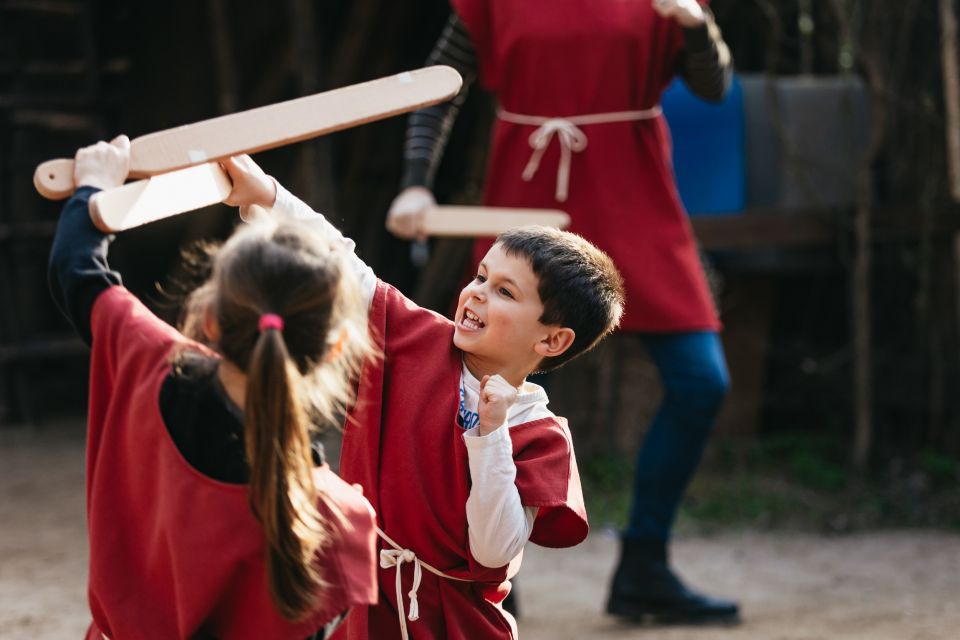
- Safety-first swordplay: you learn techniques and do a final battle using safe equipment.
- You’ll see gladiator gear up close: the included museum visit adds real context before training.
- Guides set the tone: names like Mirko, Cena, Patriccio, Olympus, Marko, and Sina show up in guest notes for energy and patience.
- A keepsake moment: you finish with a certificate and drinks included.
Training on the Via Appia Antica: why this spot matters
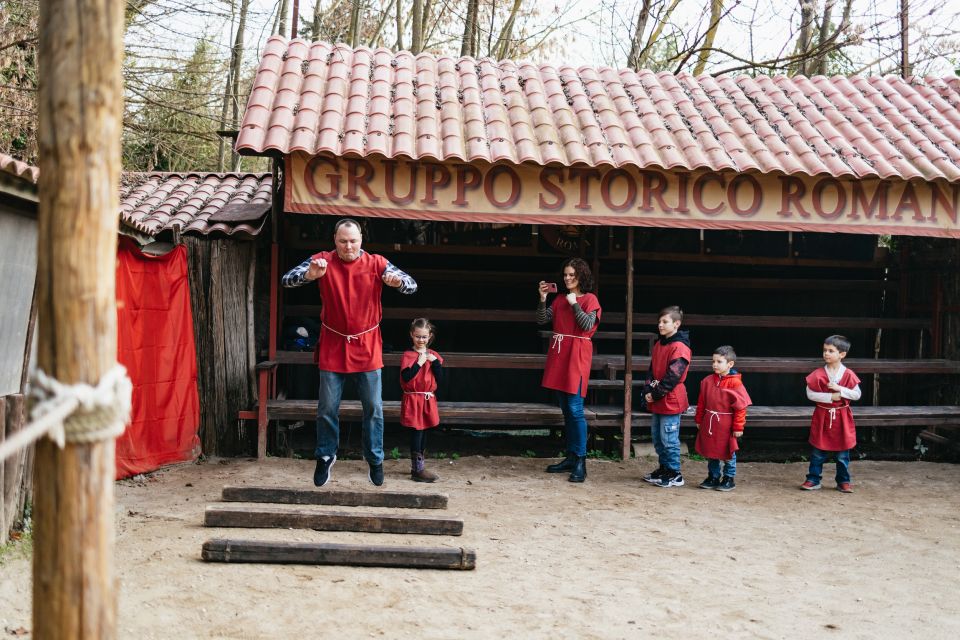
Rome has plenty of history you can look at. This experience focuses on history you can practice. The big difference here is the setting: the school runs training on the Appian Way, one of the most iconic ancient roads in Italy’s capital.
That matters because gladiators weren’t just myth. They were part of a real Roman spectacle culture—tied to public events, crowds, discipline, and status. When your training is placed on an actual historic route, the lesson clicks faster. You feel like the arena world is close by, not trapped inside a museum display.
You can also read our reviews of more tours and experiences in Rome



A two-hour program built for action (not a long school day)
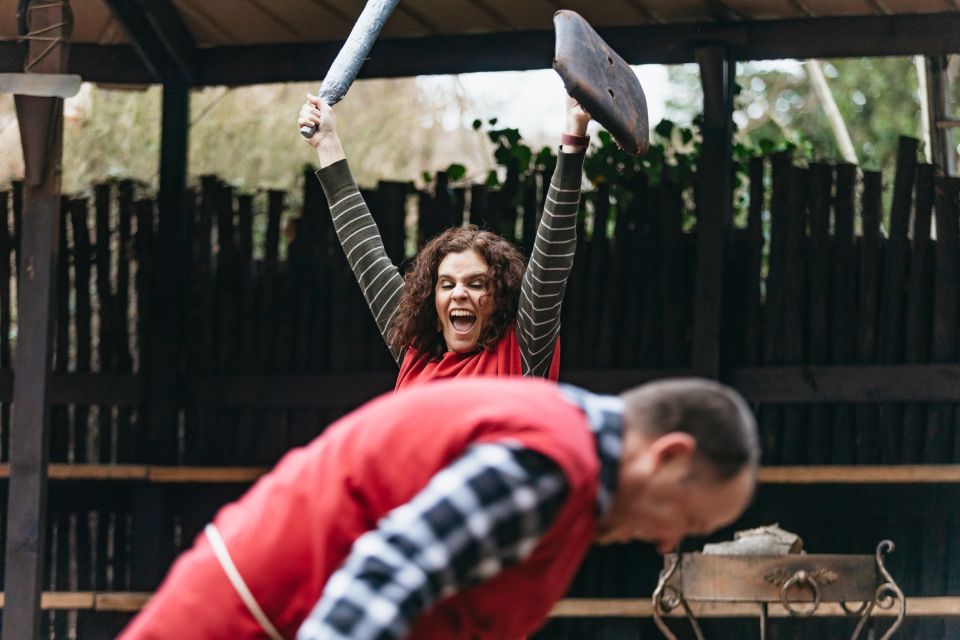
This is a tight 2-hour class, with a clear flow: meet your instructor, learn the Roman background, visit the museum portion, then get into gladiator basics and practice. The result is exactly what families hope for: fewer minutes sitting still, more time doing something memorable.
What I’d call the “secret sauce” is pacing. Guests repeatedly note that the session stays engaging and not lecture-heavy, with lots of participation. Even adults who come as spectators often say they found it entertaining—because the format is built around motion, coaching, and that end-of-class battle moment.
Museum visit first: context before you start swinging
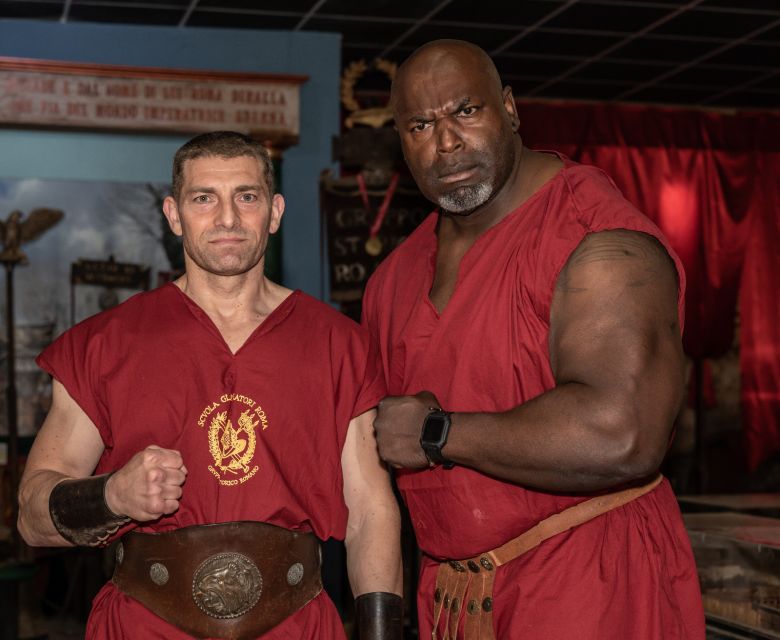
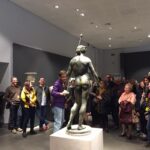
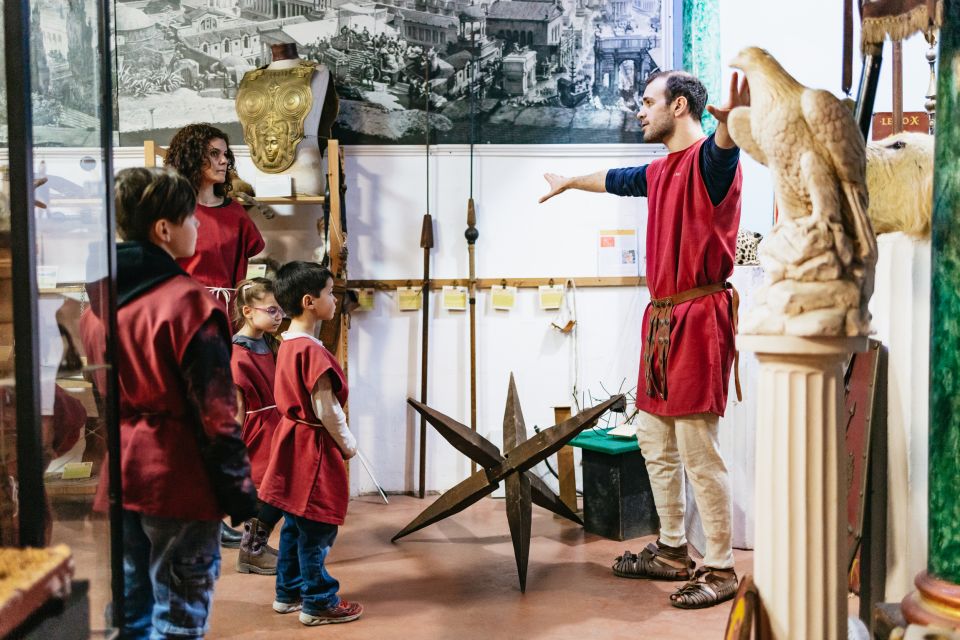
You don’t jump straight into fighting. You get a museum visit included, which is a smart ordering. It gives you something to hold onto while you’re learning sword techniques—Roman weapons, gear, and the surrounding story of gladiators in the imperial city.
One guest specifically mentioned that the museum is small but contains items they hadn’t seen in a regular museum setting. Another emphasized that if you want the reality of gladiators (not the Hollywood version), this is a place to focus. That’s the value here: the museum portion helps you understand what you’re looking at when you see the weapons and armor used during the training.
Sword fighting basics: how you learn without the chaos
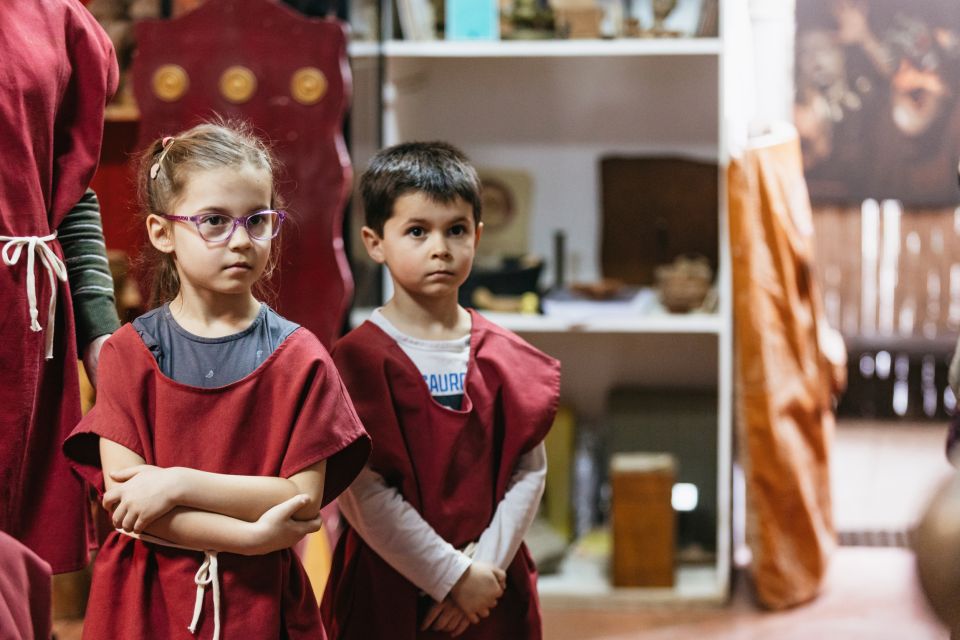
The training portion is what most people are booking for, and it’s also where the experience earns its high ratings. The class teaches basic gladiatorial sword fighting techniques, and it’s designed to be safe and fun.
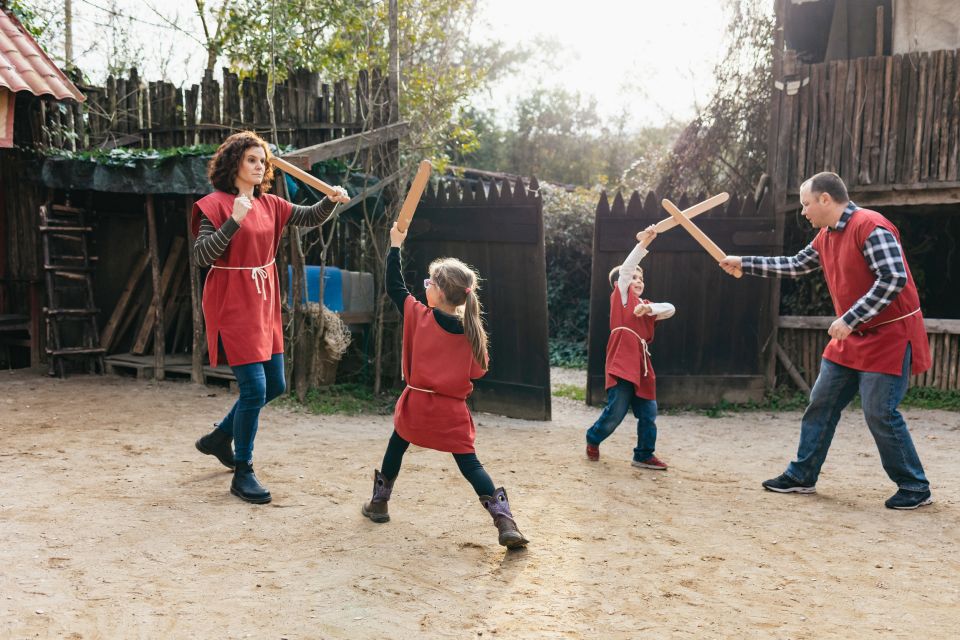
Guests describe “constant activity” and mention that sword fighting isn’t reduced to a lecture or a safety talk that takes over the day. A few notes even highlight the final battle happening in an arena-like space using foam swords—so you get the adrenaline of a fight scene without the risk.
For your planning, that means two things:
- You’ll want to show up ready to participate and move.
- Kids aren’t stuck being audience members. Many notes say kids were actively engaged the whole time, and that the instruction feels patient with varying ages.
Life as a gladiator: the story behind the moves
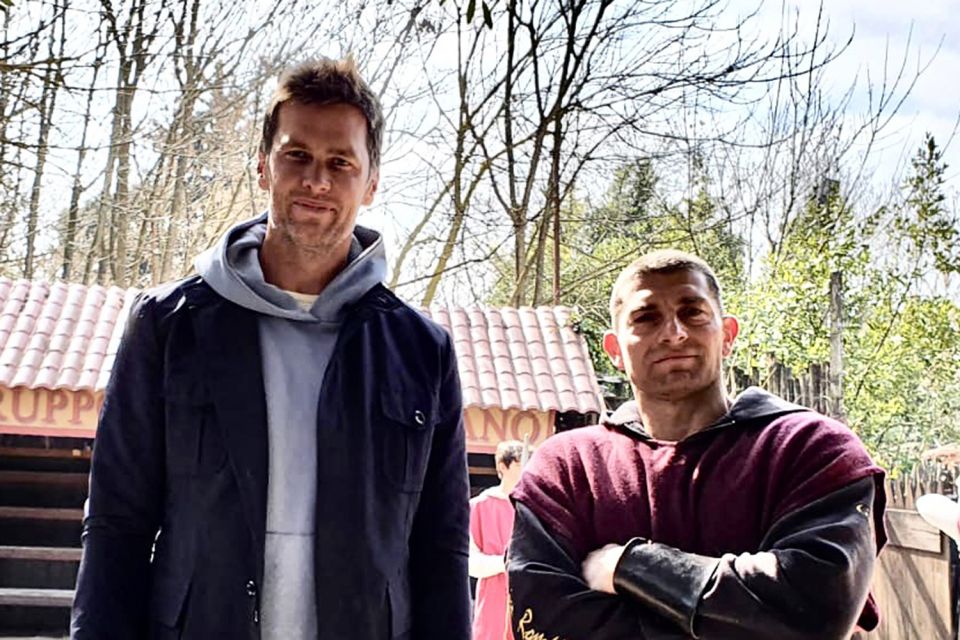
The fighting is only half the point. The other half is understanding what gladiators represented in Ancient Rome—discipline, public attention, and the way training turned ordinary people into performers of strength and skill.
In the class, you also hear about life as a gladiator and get top tips for techniques with Roman weapons. Guests name multiple instructors for making this history feel approachable and funny, not dry. One guest credited Cena for loving Rome’s history and taking time to teach, another mentioned Mirko for a wonderful experience, and a third highlighted Patriccio’s interaction that helped a child feel accomplished.
That’s the real value for you: you leave with a story you can tell. Not just, We learned to fight—but, We learned what gladiators were, how they trained, and why Rome cared.



The final battle moment and certificate that makes it stick
The class doesn’t end with a handshake and a quick goodbye. It builds toward a final battle experience where participants can test what they learned. Guests describe the final battle as a fun, high-energy end point, with many kids walking away thrilled—and taking photos and memories home.
Then you get a certificate, plus drinks included. It sounds simple, but it’s a big part of why this feels worth doing. The certificate turns a short class into an accomplishment, and the drinks help you reset after active training.
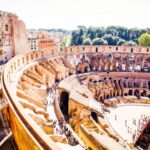
If you’re building a Rome itinerary that mixes major monuments with something different, this is the kind of activity that creates contrast. One guest compared it as a highlight after visiting the Colosseum, and the pairing makes sense: you go from seeing the big arena from the outside to acting out a smaller version of the gladiator experience.
Price and value: what you’re paying for at $135.94

$135.94 per person can feel steep at first glance, especially compared to museums where you just walk in and look around. But this price buys you a lot that typical sightseeing doesn’t: a structured training experience with guided coaching, a museum visit, a final arena-style battle moment, and a certificate plus drinks.
The strongest value argument is that it’s interactive. If your group is the type that needs a break from walking and wants an activity that kids actually talk about afterward, this tends to deliver. Multiple notes say this is one of the best things they did in Rome, with kids repeatedly asking to return or describing it as exceptional.
Still, here’s the fair consideration: if you want mostly passive viewing—photos of artifacts, long stories, and slow paced culture—this may feel too action-focused. The class works best when you’re open to participating.
Who should book: families, teens, and adults who want more than photos

This activity is designed for both children and adults. That dual focus is clear in the teaching style guests describe: guides are patient, encourage kids, and keep the group engaged without turning it into a pure kids-only show.
It’s a great fit for:
- Families with kids around elementary to early teen ages who enjoy doing rather than just watching.
- Adults who don’t want another monument stop and prefer hands-on learning.
- Groups that want a shared activity where everyone can participate, not just parents supervising.
Even if your plan is to come along as a spectator, the way the class is structured seems to make it entertaining for adults too. Guests mention enjoying it even when they didn’t train themselves.
Practicalities for the Appian Way meet-up (and what to bring)
You meet your instructor at the Gladiator School of Rome on the Appian Way. The nearest bus station is Appia Antica-Travicella (lines 118 or 218), and the activity ends back at the meeting point.
A couple small practical notes based on real experiences:
- Mosquitoes can be a thing. One guest suggested bringing insect repellent.
- If you’re visiting during a hot spell, look for shade and hydration cues. One review said there were shady spots and cold water available during extreme heat.
Also, instruction is offered in English and Italian, and the activity notes it’s wheelchair accessible. If you’re traveling with multiple generations, that accessibility plus the participation format tends to make the experience work well for mixed ages.
Should you book this gladiator school on the Appian Way?
I’d book it if you want a Rome day that feels different from the usual “look, walk, repeat” routine. For families, it’s especially strong because kids get real structure, real practice time, and a payoff moment at the end. For adults, it’s a fun break from lectures that still teaches you enough Roman context to make the arena theme land.
Don’t book it if you’re hoping for a quiet, sit-down history experience. This is active, and the joy comes from learning by doing. And if you’re sensitive to heat or outdoor conditions, plan for weather and bugs so the experience stays comfortable.
FAQ
How long is the Gladiator School of Rome experience?
It lasts 2 hours.
Where is the meeting point?
You meet your instructor at the Gladiator School of Rome on the Appian Way.
What is the nearest bus station?
The nearest bus station is Appia Antica-Travicella, served by lines 118 or 218.
What languages are available for the instructor?
The instructor speaks English and Italian.
Is it suitable for children and adults?
Yes. The course is described as suitable for children and adults alike.
What’s included in the price?
The experience includes a museum visit, gladiator training, a certificate, and drinks.
Is the sword fighting safe?
The training is described as safe, and the final battle is done with foam swords according to guest accounts.
Is the activity wheelchair accessible?
Yes, it’s listed as wheelchair accessible.
Can we cancel or change our plans?
You can cancel up to 24 hours in advance for a full refund, and you can reserve now and pay later. Starting times vary, so check availability for the times offered.