REVIEW · ROME
Rome: Incredible Adventure in the Heart of the City
Book on GetYourGuide →Operated by IF Game · Bookable on GetYourGuide
Rome has a way of pulling you forward. This self-guided riddle game gives you a reason to slow down and look closer, with stops that include the Colosseum and the Roman Forum. I like that it’s built like a walking story, not a checklist.
Two things make it especially fun. First, you solve puzzles as you move, so you’re learning while you go. Second, you get a book you keep, which makes the experience feel like more than a one-time visit.
One thing to consider: it takes real walking time. The route is about 5 kilometers, and the experience is usually 3 to 4 hours, so plan for comfy shoes and a steady pace.
In This Review
- Key points before you go
- A self-guided game that turns Rome into a story you can walk
- The walking route: 5 kilometers through Rome’s oldest center
- Colle Oppio and the Baths of Trajan: start with a breather
- Basilica of Maxentius and the Roman Forum: where the clues get real
- Via dei Fori Imperiali and Piazza del Campidoglio: big sightlines, big questions
- The Mouth of Truth and Circus Maximus: famous spots with a fun twist
- Arch of Constantine and the Colosseum: the finish feels earned
- The Romulus foundation theme: why the puzzles work so well
- The book in the box: a souvenir that actually adds value
- Price and group value: $71 per group up to 10
- Timing: how long to plan, and how to pace yourself
- Logistics that can make or break the day
- What’s included vs. what you’ll still need to handle
- Family-friendly, but keep expectations realistic
- Accessibility note: not for wheelchair users
- Who should book this Rome game?
- Should you book this Rome adventure game?
- FAQ
- How long does the Rome game take?
- Is it a guided tour?
- When can I play after I book?
- Where do I start?
- What do I need to bring?
- Do I need tickets to attractions?
- Is it wheelchair accessible?
Key points before you go

- Colle Oppio start, ancient heart finish: the route threads through major ruins and iconic sights without feeling like a bus tour.
- Romulus-themed puzzle journey: you follow clues tied to Rome’s founding story, from the first steps to the city’s legendary center.
- A book souvenir, not just an app: the game comes with a book to play with and keep afterward.
- Easy self-guided format: you go at your own speed, and you’re not locked into a strict time slot.
- Must-have basics: you’ll want a charged smartphone and internet access along the way.
A self-guided game that turns Rome into a story you can walk
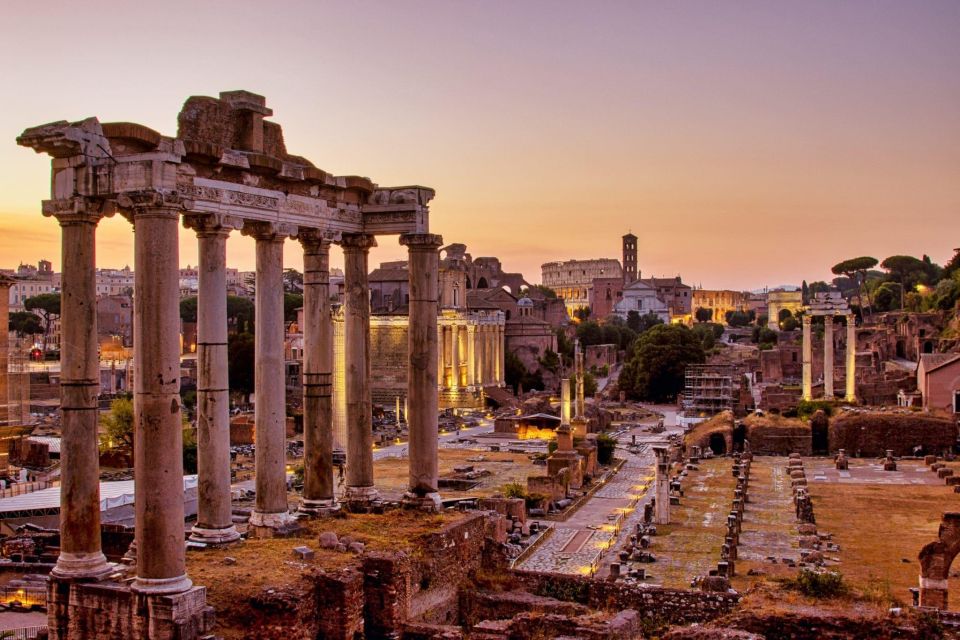
Rome’s ancient core can feel like a blur if you only race from one landmark to the next. This format is different. You’re moving through the city with a game box and a book, flipping pages and solving riddles step by step.
What I like most is the tone. It’s not just trivia. The clues push you to connect what you’re seeing with what Rome’s early legends and real history try to explain. You’re essentially doing “active sightseeing,” where your brain stays engaged as your feet keep moving.
And you get variety. The route doesn’t only hit the big names. It also aims for the in-between spaces where you can catch scale, street-level texture, and the way Rome’s layers sit on top of each other.
You can also read our reviews of more city tours in Rome

The walking route: 5 kilometers through Rome’s oldest center
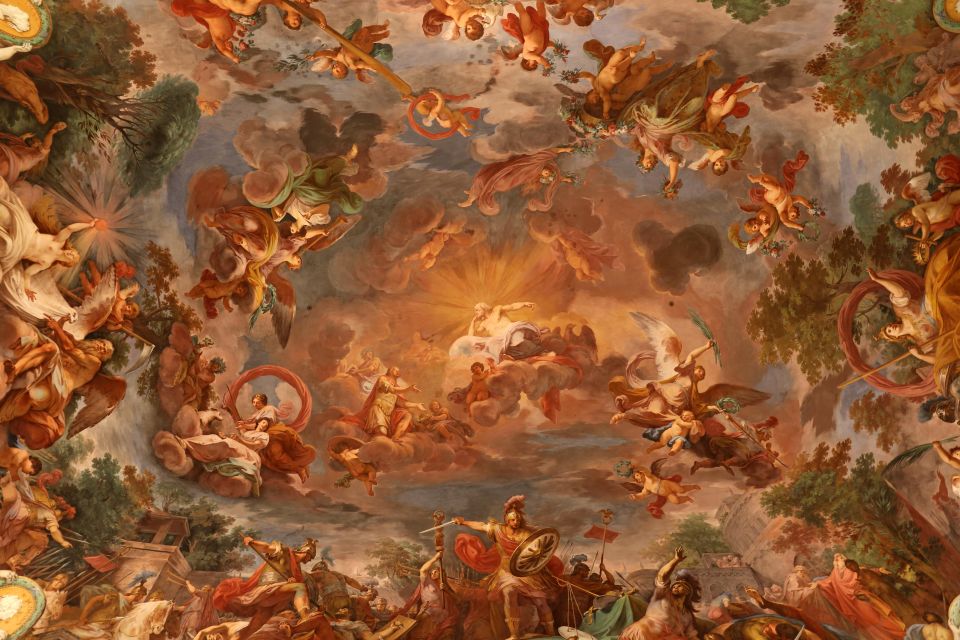
The route is about 5 kilometers and typically takes 3 to 4 hours. That means it’s long enough to feel like you accomplished something, but not so long that it’s a full-day marathon for most visitors.
You start in the Park of Colle Oppio and the Baths of Trajan area, a welcome green pocket right in the middle of Rome. From there, the game leads you deeper into the ancient city, with a sequence that feels natural for both first-timers and people who have been to Rome before.
Here’s how the main stops shape the experience.
Colle Oppio and the Baths of Trajan: start with a breather
Beginning around Colle Oppio and the Baths of Trajan is smart. You begin where there’s space to orient yourself and settle into the rhythm of the game. This area also works as a mental warm-up: you’re surrounded by ancient context before you hit the busiest clusters of monuments.
If you’re the kind of traveler who likes to get your bearings fast, this opening helps. The game gives you a reason to look at details instead of just entering the main sights in a rush.
Basilica of Maxentius and the Roman Forum: where the clues get real
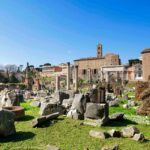
Next up is the Basilica of Maxentius and then the Roman Forum. This is the point where Rome’s scale starts to hit you in the chest. The game’s puzzle flow helps you stop treating the Forum like one more ruin photo.
Instead, you’re moving with a purpose: solve, look again, and keep walking. The Forum area is busy, so having a planned reason to focus on what you see keeps you from getting swallowed by crowds and noise.
Via dei Fori Imperiali and Piazza del Campidoglio: big sightlines, big questions
The route then runs along Via dei Fori Imperiali, with Piazza del Campidoglio included. This part of Rome is all about perspective. Long sightlines make it easier to understand how the city was designed, and the game’s clues give you a reason to notice alignments and major building relationships.
At Campidoglio, you’re not just passing through. The game nudges you to pay attention to how the place frames Rome’s political and civic story, which fits perfectly with the overall theme of Rome’s foundation.



The Mouth of Truth and Circus Maximus: famous spots with a fun twist
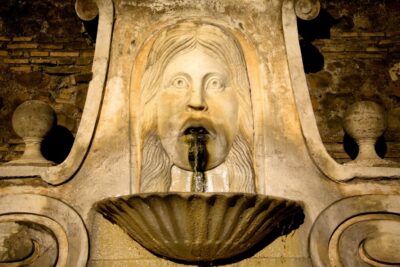
Then you hit the Mouth of Truth and the Circus Maximus. These are iconic, tourist-famous places, but the game approach changes how you experience them. You’re not only seeing an attraction. You’re searching for puzzle answers and connecting them to what makes these sites significant.
This is also where a self-guided format shines. You can pause longer if something grabs you, or move on quickly if you want to keep momentum.
Arch of Constantine and the Colosseum: the finish feels earned
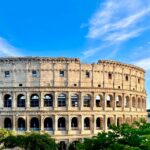
The last stretch includes the Arch of Constantine and ends with a major payoff at the Colosseum. By the time you reach the Colosseum, you’ve already walked through enough of Rome’s ancient fabric that it doesn’t feel like a single isolated stop.
The game also points out where the Golden House of Emperor Nero once stood. That kind of detail matters because it reinforces a key Rome lesson: the city is layered. Something exists, disappears, and then gets remembered in another form.
The Romulus foundation theme: why the puzzles work so well
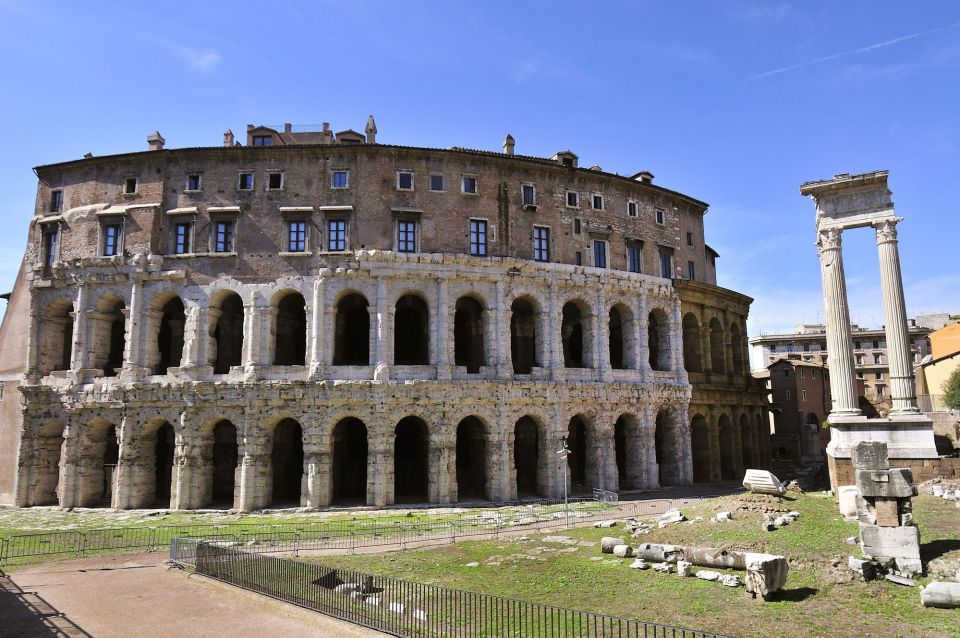
The experience isn’t sold as a simple scavenger hunt. It’s built around a storyline tied to the foundation of the Eternal City, following in the footsteps of Romulus, the first king of Rome.
That theme does two useful things for you. First, it gives structure. You’re not wandering randomly around ruins. Second, it pushes you to think about Rome not just as marble and monuments, but as a place with origin myths and civic beginnings.
If you like history that’s presented as a living story, this format is a good fit. You’re not memorizing dates. You’re learning by solving and observing.
The book in the box: a souvenir that actually adds value
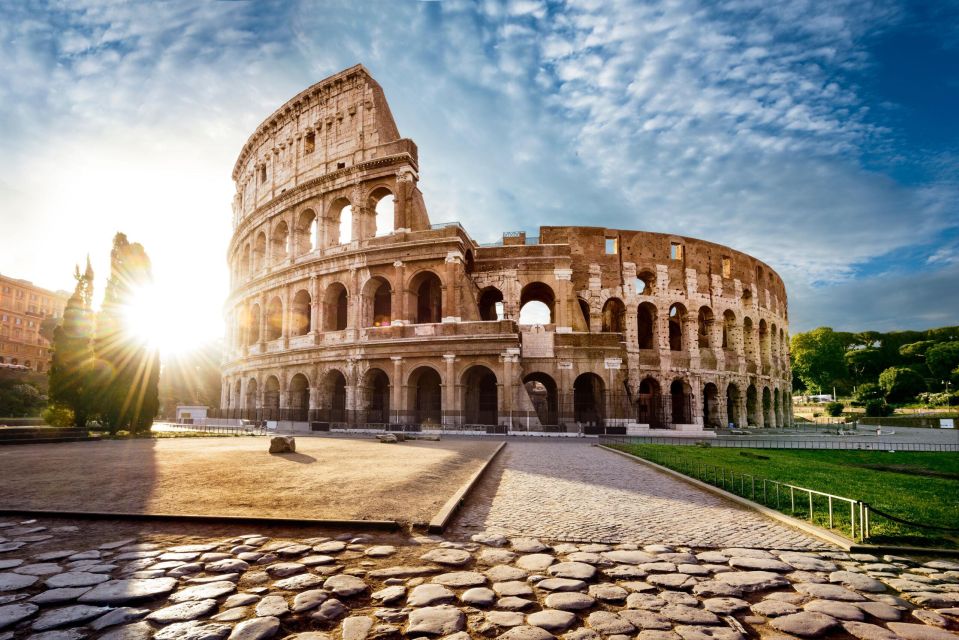
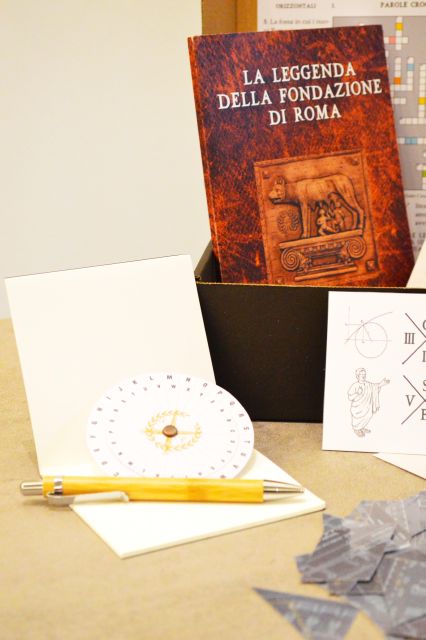
You don’t just receive a set of codes or a one-time guide. The game box includes the book to play with, plus the game accessories and tips, information, and curiosities.
What I like about the “book you take home” idea is that it turns your walk into a lasting artifact. You can revisit the clues later, or use it to anchor what you saw once you’re back in your hotel.
It also makes the experience more tactile than many phone-based activities. You’re flipping through the pages while you walk, which fits Rome’s old-city mood.
Price and group value: $71 per group up to 10
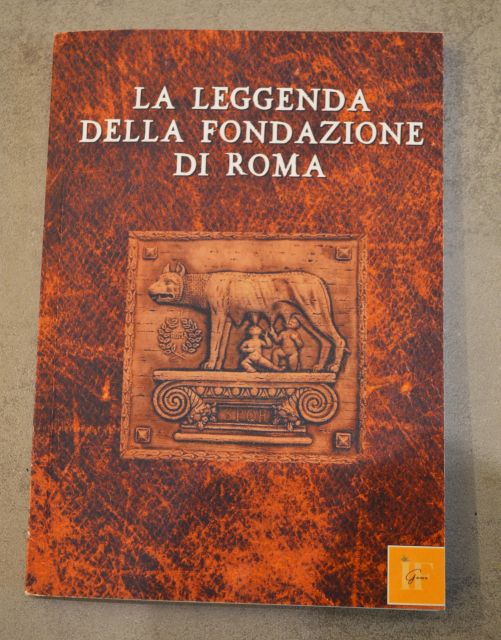
This costs $71 per group, up to 10 people. That’s the part that makes it stand out for families or friend groups.
For a couple, you might feel it’s not cheap compared to a free stroll. But because the price is per group and you get physical materials you can keep, the value can make more sense once you divide it among multiple people.
Also, it’s valid for 365 days. So if your timing is flexible, you’re not stressed about squeezing it into one specific day.
Timing: how long to plan, and how to pace yourself
Expect 3 to 4 hours for most people, plus whatever extra time you choose to spend looking around after the game ends. The route is about 5 kilometers, so treat it as a moderate walk.
You’re going to want comfortable shoes. And since this is a self-guided experience, bring a bit of personal travel discipline: water breaks, phone charging time, and a quick check that you’re on the right step in the book.
One important practical point: you can play at any time after you receive the materials. There are no locations with time restrictions tied to the game.
Logistics that can make or break the day
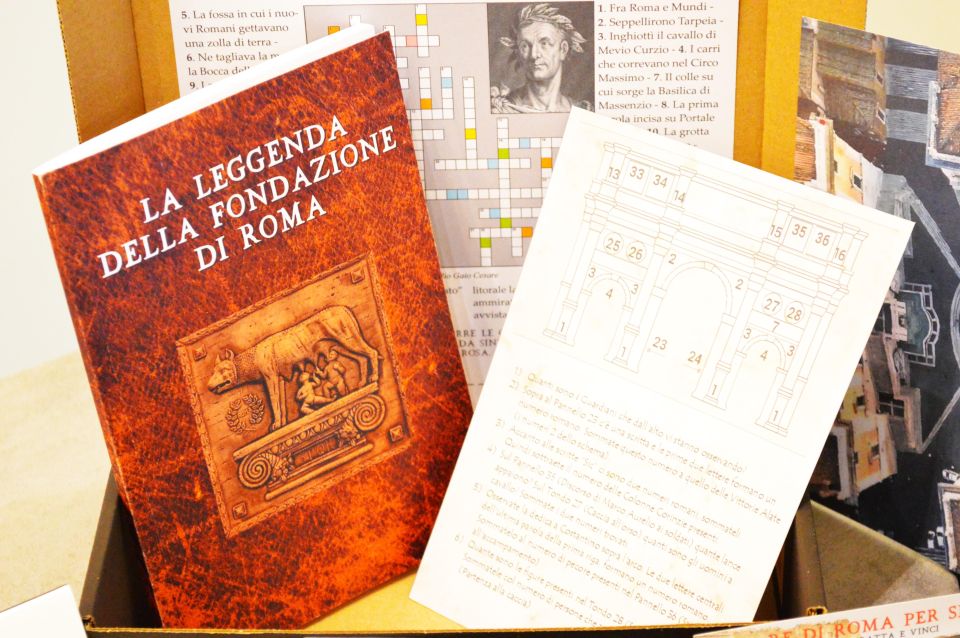
Here’s how the system works. You receive the game box by mail. The shipment happens after payment, no matter what date you selected, so plan ahead.
If you’re buying close to your trip, you’ll want to act early. The guidance is to purchase at least two weeks before the day you plan to play, because the box needs time to arrive. If you need it faster, you can contact the provider for PDF materials.
When you’re ready to start, go to the meeting point square and begin by flipping through the book. The game is self-guided, so you’re running your own timing inside the overall walking route.
What’s included vs. what you’ll still need to handle
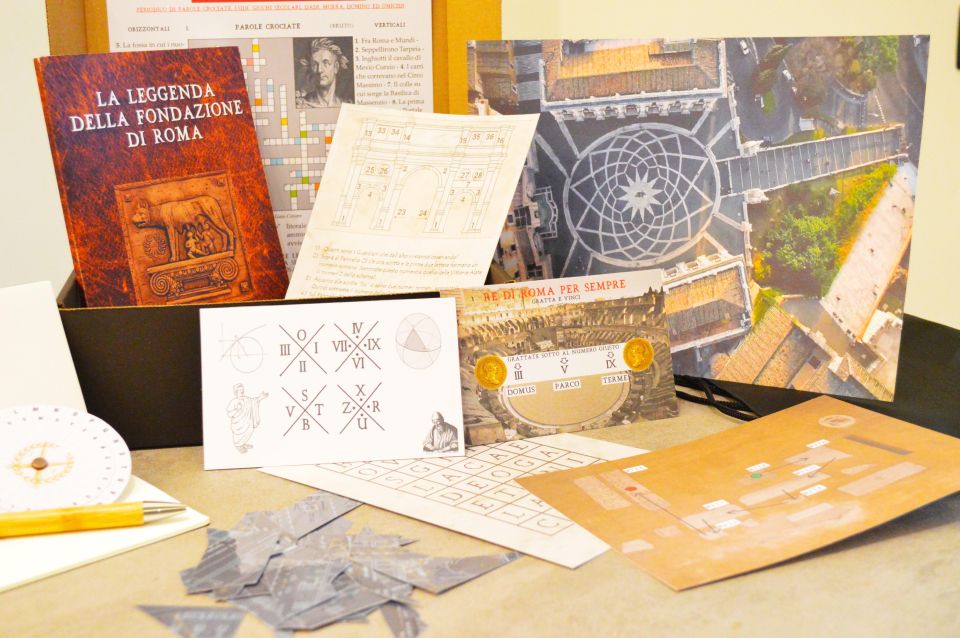
Included:
- Game box (shipped by mail after payment)
- Accessories needed to play
- Book to play with and take home
- Tips, information, and curiosities
Not included:
- Tour guide
- Food and drinks
- Tickets to attractions
- Public transportation tickets
- Transfer to and from the starting point
So if you want timed entry to the Colosseum or another ticketed site, plan that separately. The game experience is designed to get you walking and learning, not to provide attraction admission.
Family-friendly, but keep expectations realistic
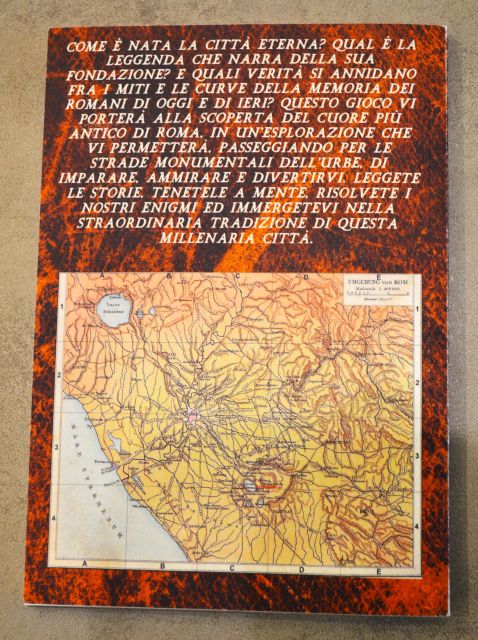
This can be a strong option for families because kids can participate, including helping with the puzzle solving. The experience is meant to be fun while you search among monuments.
That said, there’s a real-world consideration: puzzles still take concentration. If you have younger kids, it helps to set a “game pace” expectation from the start, so everyone stays engaged and nobody feels stuck.
Language also matters. If the instructions in your book are hard to follow, the puzzles can become more time-consuming than you expect. If that’s a concern for your group, build in extra time.
Accessibility note: not for wheelchair users
This experience is not suitable for people with mobility impairments and wheelchair users. The route involves walking through the old center with uneven ground and long stretches.
If mobility is a factor, you might want a different format designed around less walking.
Who should book this Rome game?
This works best if you want Rome in a more active way:
- You like puzzles, looking closely, and learning as you walk.
- You’re visiting the Colosseum and Forum area and want more than a standard photo stop.
- You’re traveling as a group (especially up to 10) and want a single ticketed activity with shared value.
It may be less ideal if:
- You need an actual guided tour with interpretation on demand.
- You expect quick stops with minimal walking.
- You’re sensitive to puzzle-style tasks that require attention for a few hours.
Should you book this Rome adventure game?
Book it if you want an old-city day with built-in structure and a fun, historical storyline. The 5-kilometer route, the Romulus foundation theme, and the chance to walk through places like the Colosseum, Roman Forum, and Circus Maximus in one coherent experience make it a memorable way to see central Rome.
Skip it if you prefer passive sightseeing, or if your group needs accessibility support that this walking route can’t provide.
If you’re flexible and you plan for the time on your feet, this is a smart value play: you pay for the group and you leave with a book you can revisit.
FAQ
How long does the Rome game take?
The route is about 5 kilometers, and the experience takes between 3 and 4 hours.
Is it a guided tour?
No. It’s a self-guided game. You start at the meeting point square and play using the book and game box you receive.
When can I play after I book?
You can play at any time after you receive the game materials. The experience is valid for 365 days, and there are no locations with time restrictions tied to the game.
Where do I start?
You just make your way to the meeting point square and begin by flipping through the book.
What do I need to bring?
Bring comfortable shoes, a charged smartphone, and internet access. You’ll also need the game box.
Do I need tickets to attractions?
Tickets to attractions are not included. The game covers sightseeing stops, but attraction admission tickets are your responsibility if required.
Is it wheelchair accessible?
No. The experience is not suitable for wheelchair users or people with mobility impairments.