REVIEW · ROME
Art Nouveau Rome: Villa Torlonia & Coppedé Private Tour
Book on GetYourGuide →Operated by Eyes of Rome Private Tours · Bookable on GetYourGuide
Rome can surprise you twice. This private Art Nouveau Rome route pairs Villa Torlonia’s dramatic, offbeat villa story with a walk through the Quartiere Coppedè, far from the usual tourist lanes. You’re looking at eclectic architecture that feels like it was designed for daydreamers.
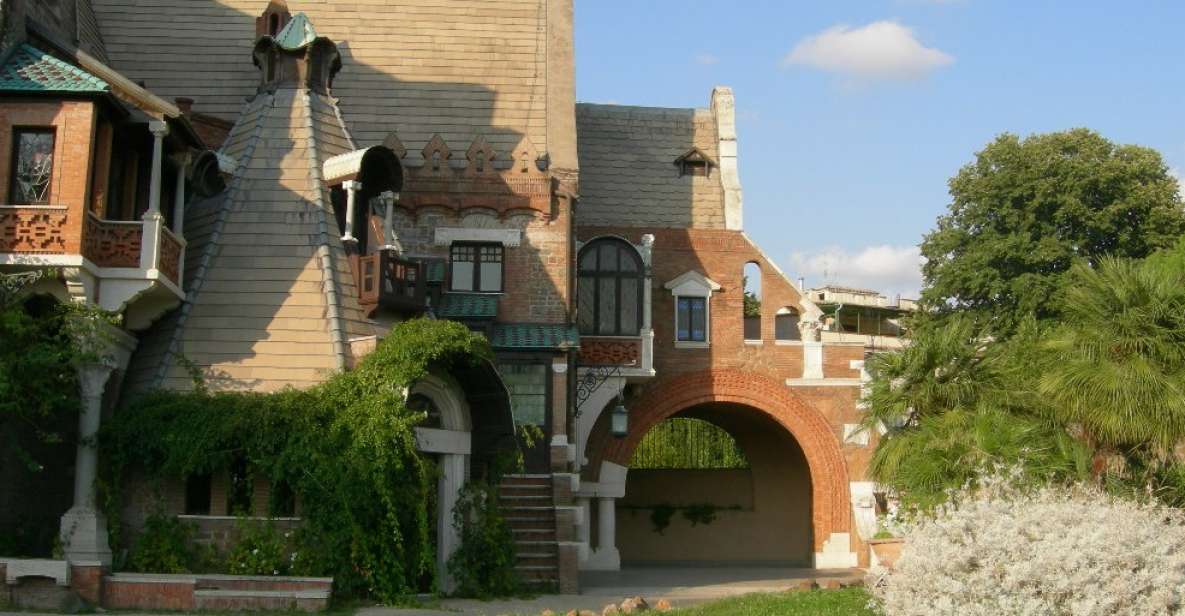
I especially love the House of the Owls—those stained-glass windows and the whole idea of a discreet retreat. I also like how the walk through Coppedè leads to Piazza Mincio, where the architecture suddenly starts acting like a storybook. It’s art you can navigate on foot.
One consideration: the tour involves a fair amount of walking, and the timing is built around an average pace. If you move slowly, you can ask to see fewer sites since it’s a private format.
In This Review
- Key Things You’ll Notice on This Art Nouveau Rome Tour
- Villa Torlonia: From Enriched Banking Family to Mussolini’s Rome
- Touring the Casino Nobile and Seeing Design as a Lifestyle
- Casina delle Civette: The House of the Owls Stained Glass Moments
- Quartiere Coppedè and Piazza Mincio: Art Nouveau Rome Away From the Usual Route
- What Makes a Private Guide Worth It Here
- Price and Value: Is $362.51 Per Person Worth It?
- Getting There, Wearing For Comfort, and Staying on Pace
- Should You Book This Art Nouveau Rome Private Tour?
- FAQ
- How long is the Villa Torlonia and Coppedè private tour?
- Where do we meet the guide?
- What are the main stops during the tour?
- How long do we spend at each location?
- What’s included in the price?
- Do you skip the line?
- What languages are available for the guide?
- Is the tour wheelchair accessible?
- Is there a lot of walking involved?
- Can I cancel and get a full refund?
Key Things You’ll Notice on This Art Nouveau Rome Tour
- Villa Torlonia’s villa-to-power story: a wealthy banking family, then a pope ennobling the line, and later Mussolini in the 1930s
- Casino Nobile highlights: what life and design looked like for the Torlonia family
- Casina delle Civette details: stained glass and the House of the Owls atmosphere, not just exterior photos
- Piazza Mincio in Coppedè: a clear focal point for seeing why this neighborhood feels like fantasy architecture
- Gino Coppedè’s design fingerprints: Art Nouveau motifs you’ll learn to spot as you walk
- Expert guide support: the kind of explanations that connect architecture to art and literature, not just dates
Villa Torlonia: From Enriched Banking Family to Mussolini’s Rome
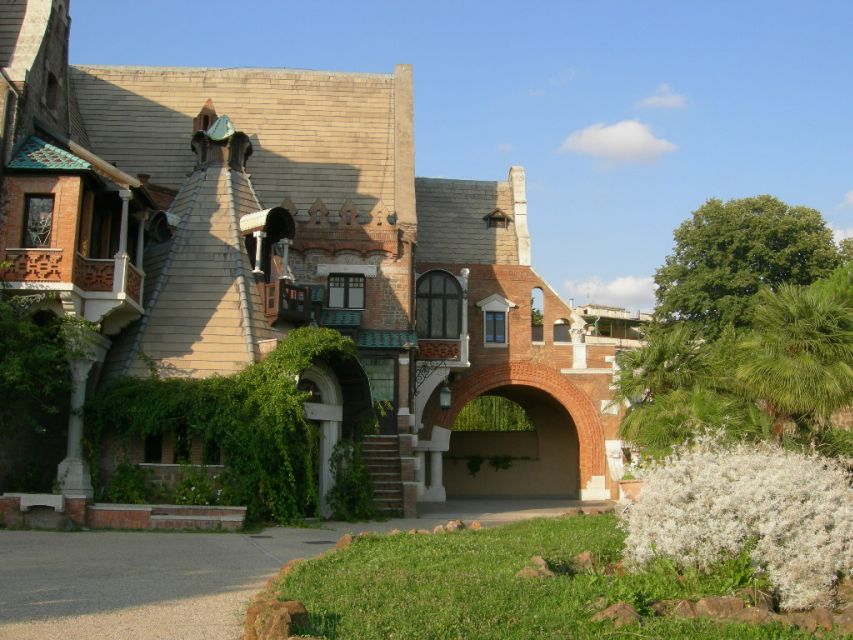
Villa Torlonia is only about a 10-minute taxi ride from central Rome, yet it feels like you’ve stepped into a calmer, more secret version of the city. The setting matters: you get the sense that this is a villa built for status, privacy, and spectacle, all at once.
At the start, you’ll meet your guide at the Villa Torlonia entrance on Via Nomentana 70 near the ticket office. From there, the tour uses time well, focusing on the spaces that explain the villa’s identity instead of treating it like a quick photo stop.
The villa’s backstory runs like a ladder of power. The Torlonia family rose through banking, and a pope later ennobled them about a century earlier. Then, in the 1930s, the villa became home to Mussolini and his wife Rachele. That shift adds a sharp contrast when you’re looking at refined interiors and then hearing how that same space was later used in a very different political chapter.
You’ll learn about the private rhythm of Mussolini’s life at the villa. The separate bedrooms he and Rachele used were on the upper floor of the Villino Nobile, though the original furniture is no longer there. Still, the layout and what the rooms were meant to do gives you a better feel for how power lived day to day, not just how it sounded in speeches.
And then there are the bunkers. In the basement, there’s access to two shelters Mussolini built: one intended as a bomb shelter and another designed as a gas shelter. Even if you normally skip heavy wartime details, it changes how you read the villa’s design. Suddenly, architecture isn’t only decoration. It’s also planning for survival.
You can also read our reviews of more private tours in Rome


Touring the Casino Nobile and Seeing Design as a Lifestyle
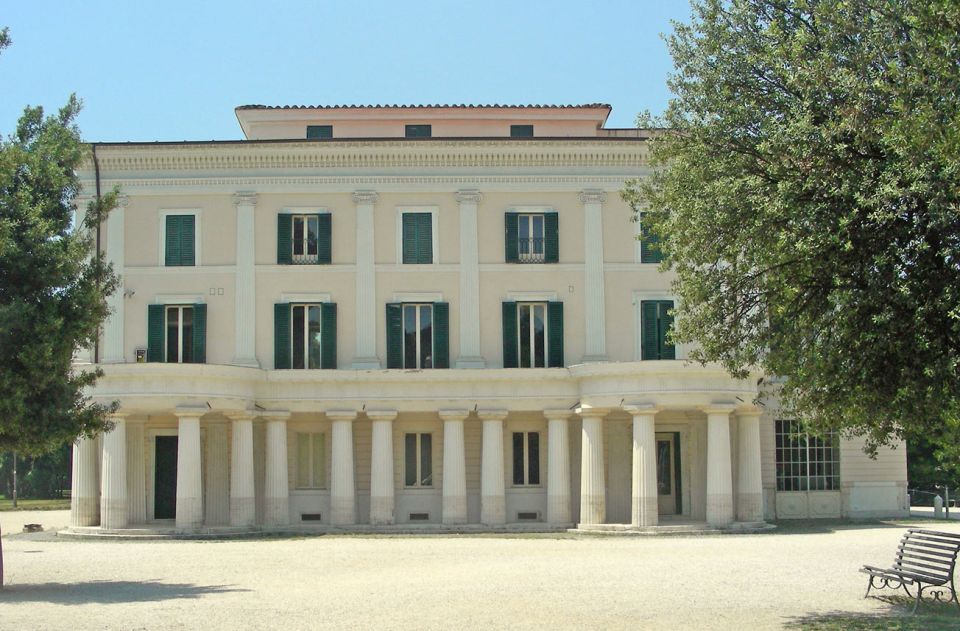
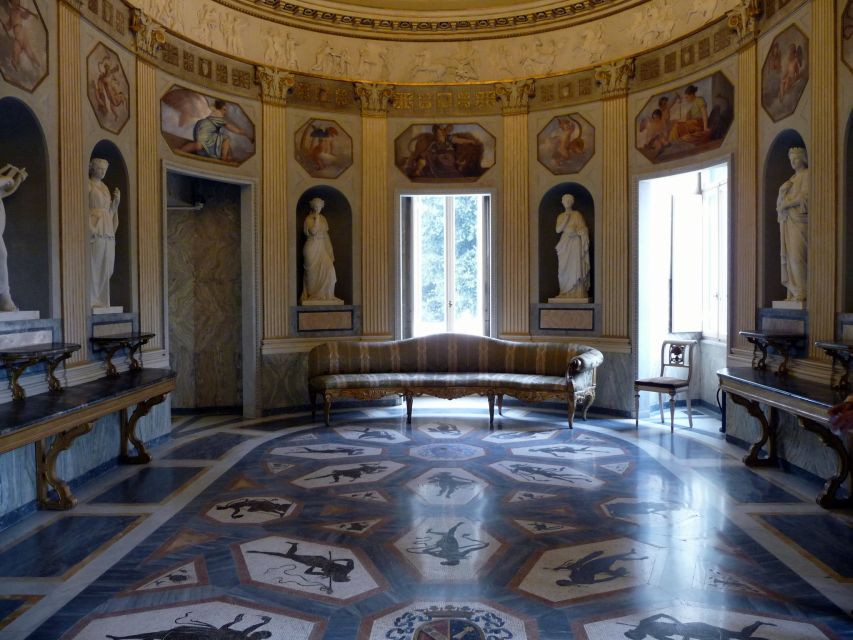
Villa Torlonia includes the Casino Nobile, built for a prince of the Torlonia family. The name alone sounds like you’re going to see a single fancy building. What you actually get is an introduction to how the Torlonia family staged taste—through materials, ornament, and the feeling of controlled drama.
What I like about this part of the tour is that it doesn’t treat the villa as a museum object. The guide connects design choices to who lived there and what they wanted the space to communicate. That approach makes the details easier to remember, especially when you’re comparing different rooms or layers of the property.
You also get time to focus on craftsmanship. The villa’s decoration includes artistic sculptures and furniture with pictorial effects, so it’s not just painted walls. The emphasis on materials becomes clearer when you move toward the separate structure later in the day, but you’ll already see the pattern here: this is Rome, but it’s Rome with an obsession for surfaces and stories.
One practical note: the stop inside Villa Torlonia takes about 1.5 hours, which is enough time to learn without feeling rushed. If your schedule is tight, this still helps you get a coherent narrative rather than jumping from one hallway to the next.
Casina delle Civette: The House of the Owls Stained Glass Moments
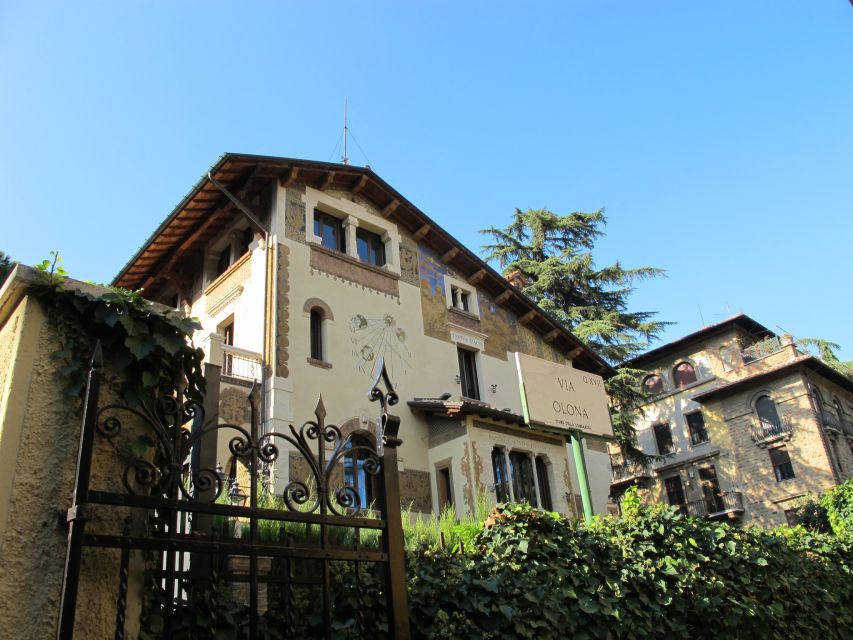
If Villa Torlonia sets the mood, the Casina delle Civette delivers the “how did they think of this?” feeling. This is the House of the Owls—extravagant, playful, and unusually expressive for a residence that’s also meant to feel like a refuge.
You’ll hear how it worked as a different kind of home. Prince Giovanni Torlonia the Younger lived here until his death in 1938. Rather than mirroring the formality of the main residence, the Casina was placed at the edge of the park in a discrete location and intended as an escape.
That design idea matters when you’re looking closely at the building. The architecture results from a series of transformations and additions planned by different architects over time. That means the Casina doesn’t feel like a single straight line of design. It feels like layers—each one pushing the building toward a more specific mood.
The “owl” identity isn’t just a cute theme. It shows up through the building’s decorative program, and it’s tied to the stained glass windows that help make the interior feel magical. You’ll have a chance to see the two internal levels and learn about their rich decorations, including artistic sculptures and furniture designed with pictorial effects.
This is also where the guide’s attention to local craft pays off. You’ll hear about stained glass and inlaid wood sourced from Rome’s own workshops. That detail is useful because it moves the story beyond “pretty window.” You start to understand the building as a collaboration between architecture and skilled artisans working in the city.
This stop runs about 45 minutes, which is the right amount of time for absorbing a building like this. Too short and it feels like you’re skimming. Too long and it can blur into a general wow. The pace here tends to keep your focus sharp.
Quartiere Coppedè and Piazza Mincio: Art Nouveau Rome Away From the Usual Route
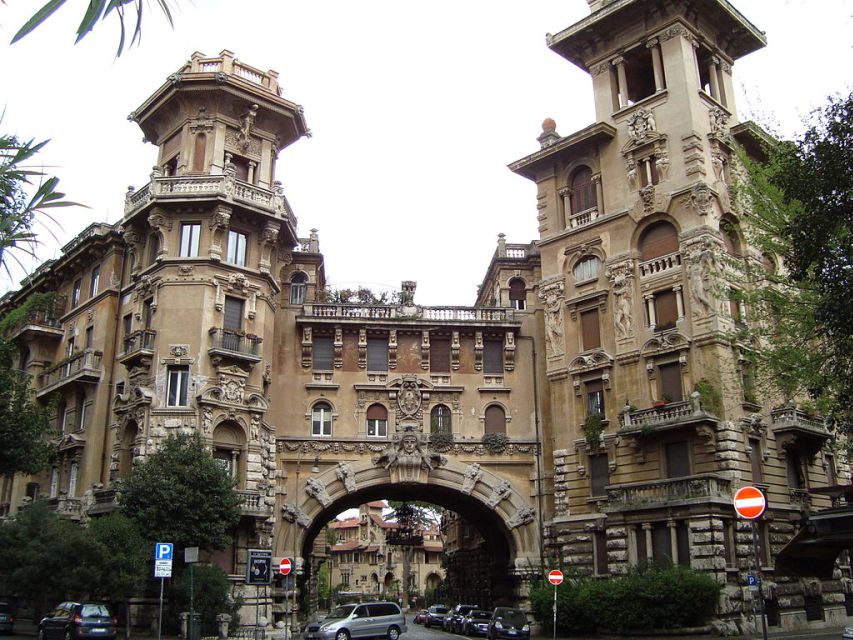
After the villa, the tone shifts. You move into the Quartiere Coppedè, a neighborhood built to feel like architecture as theater. This part works especially well for people who like Rome, but want a break from the big-ticket monuments and their crowds.
The guide walks with you and points out the Art Nouveau details associated with Gino Coppedé—the architect most tied to this distinctive district. That walking format is important because the neighborhood’s charm isn’t only in one landmark. It’s in how the buildings relate to each other as you move.
You’ll explore the residential feel of the area, and you’ll come away with a clearer sense of why this is often described as one of Rome’s finer residential neighborhoods. The neighborhood can feel like a collection of fantasy facades, but it still has a real, lived-in quality. That contrast helps you understand why the district became such a reference point for Art Nouveau in Rome.
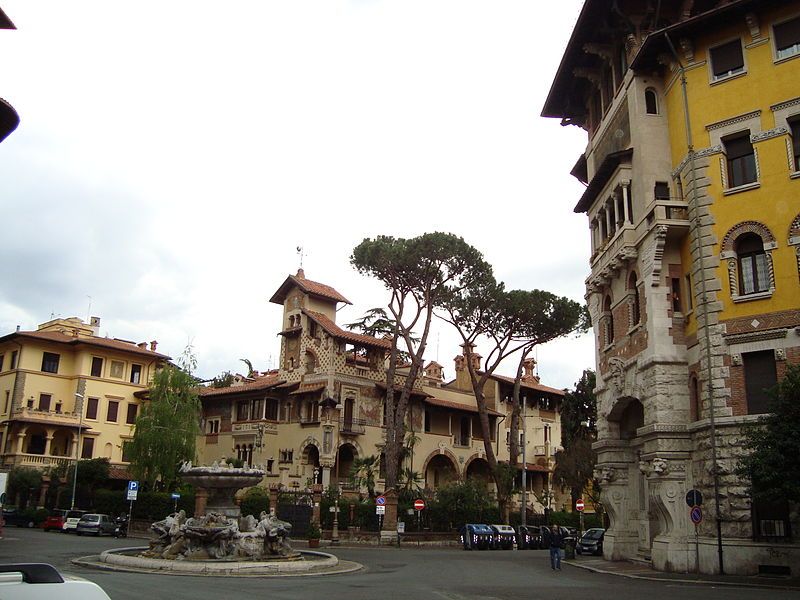
A highlight is the walk around Piazza Mincio, which functions like the neighborhood’s stage. When you reach it, the designs start reading as a complete picture instead of scattered pieces. It’s easier to connect the dots between motifs when you have a focal space like this.
This stop also runs about 45 minutes, which keeps it from turning into a long slog. You’re not just staring up at facades. You’re learning what to notice, which makes it more satisfying for first-timers and repeat visitors alike.
What Makes a Private Guide Worth It Here
This tour is private, so the guide can calibrate the pace and the focus. That matters at Villa Torlonia and the Casina, where details are visual and also layered with context. If you’re the type who likes understanding what you’re seeing, you’ll get more out of the time.
The experience is also backed by a blue badge guide, and museum entrance fees are included. There’s even skip-the-line access through a separate entrance, which helps you spend your energy looking, not waiting.
The guide quality is a major selling point. In particular, one guide named Marco is described as a history and archaeology professor at Sapienza, and he’s known for being punctual, kind, and extremely well prepared. What stands out in his style is how he ranges across art and literature while still keeping the architecture clear and grounded.
That kind of explanation is more than “interesting facts.” It changes how you see the place. When the guide connects the design to how people lived, you start noticing patterns—materials, iconography, and why certain rooms or viewpoints feel intentional.
It also helps if you want customization. The tour notes that you can opt to see fewer sites if you prefer a more leisurely pace. That’s a big deal in a city where time tends to slip away fast.



Price and Value: Is $362.51 Per Person Worth It?
The price is listed as $362.51 per person for a 3-hour private tour. On a first glance, that can feel high compared to group tours. Here’s the value logic: you’re paying for (1) a private guide, (2) museum entrance fees, and (3) skip-the-line access, all within a tight timeline that covers three major design experiences.
Also, Villa Torlonia isn’t just one building. The tour time is structured around spaces tied to major historical shifts: the Torlonia family’s rise, Mussolini’s residence in the 1930s, and the added layers of shelter infrastructure in the basement. Then you shift to the Casina’s stained glass and interior levels, and finish in a neighborhood that requires walking to appreciate.
If you’re traveling solo, the cost feels different than if you’re sharing with someone you like. But even for two people, the private format can be worth it because you can ask questions and slow down where the architecture needs attention.
Where I think this becomes a particularly good value is if you care about craft details—stained glass, inlaid wood, and how different architects transformed the Casina over time. Those are hard to catch on your own quickly, especially when you’re trying to do it without a guide’s map of what matters.
Getting There, Wearing For Comfort, and Staying on Pace
This tour is built for a half-day flow: 3 hours total, with about 1.5 hours in Villa Torlonia and two 45-minute stops afterward. There’s a fair amount of walking, and you’ll be moving between interiors and outdoor sections, plus the walk through Coppedè.
Plan simple comfort. I’d wear shoes that handle uneven or slip-prone paths, since villa grounds and neighborhood streets aren’t made for lightweight sandals. Bring a layer too, because Rome weather can shift quickly and you’ll spend time outside at the neighborhood end.
The meeting point is specific: Villa Torlonia entrance, Via Nomentana 70 near the ticket office. Using that address helps you avoid the common “where exactly is the entrance” stress. The tour ends back at the meeting point, so you’re not left figuring out your own transport at the end.
If you have mobility concerns, the tour encourages you to advise the operator so the itinerary can be adjusted. The experience is wheelchair accessible, but the walking requirement still means it’s smart to plan your expectations and movements.
Should You Book This Art Nouveau Rome Private Tour?
Book it if you want Rome that feels designed for your eyes. Villa Torlonia gives you the dramatic mansion side of power, while the Casina delle Civette turns that power into something playful and symbolic, especially through the stained-glass experience. Then Coppedè rewards you with a neighborhood that’s built to be understood by walking and looking up.
Skip it if you want a fast, minimalist highlights circuit. This tour is timed for learning and noticing, not for marathon sightseeing. It’s also better suited for people who enjoy architecture stories, not just general sightseeing.
If you can handle a fair amount of walking and you like detailed explanations, this is one of the smarter ways to experience Art Nouveau Rome without feeling like you’re on autopilot.
FAQ
How long is the Villa Torlonia and Coppedè private tour?
The tour lasts 3 hours.
Where do we meet the guide?
You meet at the entrance of Villa Torlonia, Via Nomentana 70, near the ticket office.
What are the main stops during the tour?
You’ll visit Villa Torlonia, then Casina delle Civette, and finally the Quartiere Coppedè.
How long do we spend at each location?
Villa Torlonia is about 1.5 hours, and the other two stops (Casina delle Civette and Quartiere Coppedè) are about 45 minutes each.
What’s included in the price?
The tour includes a Blue Badge Guide, museum entrance fees, and a private walking tour.
Do you skip the line?
Yes. The tour includes skip-the-line entry through a separate entrance.
What languages are available for the guide?
The tour is offered in English, Italian, French, and Spanish.
Is the tour wheelchair accessible?
Yes, it is wheelchair accessible.
Is there a lot of walking involved?
There is a fair amount of walking. If anyone in your group has mobility issues, you should advise the operator so the itinerary may be modified.
Can I cancel and get a full refund?
You can cancel up to 24 hours in advance for a full refund.