REVIEW · ROME
Eat Like a Roman – Traditional Food, Local Market & History
Book on GetYourGuide →Operated by Roma Eat · Bookable on GetYourGuide
Rome has a delicious side street. This 3-hour food and wine experience in Lazio turns a daytime walk into a mini history lesson, with stories tied to local traditions and archaeological secrets, plus a few real VIP moments. I like that it moves fast but stays friendly, with an English-speaking guide who keeps the focus on what’s in front of you.
Two things I especially liked: first, the biggest farmers market in Italy felt like the real engine of Roman eating—cheese, cured meats, and street snacks in one flowing circuit. Second, the access inside the oldest pasta shop of Rome adds weight to the tasting, because you understand the craft, not just the product. The one drawback to know up front is simple: it’s not suitable for vegans.
If you’re excited by local food culture and you can handle a few hours of walking in all weather, this is the kind of Rome experience that sticks. And yes, the guide really does welcome questions—Greta in particular was patient, attentive, and good at explaining the why behind each bite.
In This Review
- Key moments worth centering your day
- Starting with homemade cornetti and real coffee
- The biggest farmers market in Italy: where Roman flavors are born
- Mozzarella, prosciutto, aged cheeses, and supplì on the move
- Organic olive oil tasting and a 1915 bakery visit
- VIP access inside Rome’s oldest pasta shop
- Apulian street food, local wine, then Pope-favorite gelato
- Vatican district walk and a 360° rooftop payoff
- Price and what you’re really paying for ($79.30 per person)
- Who this Rome food walk suits best
- Should you book Eat Like a Roman?
- FAQ
- How long is the Eat Like a Roman tour?
- What’s included in the price?
- Is the tour suitable for vegans?
- Does the tour run rain or shine?
- Is hotel transport included?
- Is the tour wheelchair accessible?
Key moments worth centering your day
- A coffee start with homemade cornetti made with care by a 70-year-old nonna
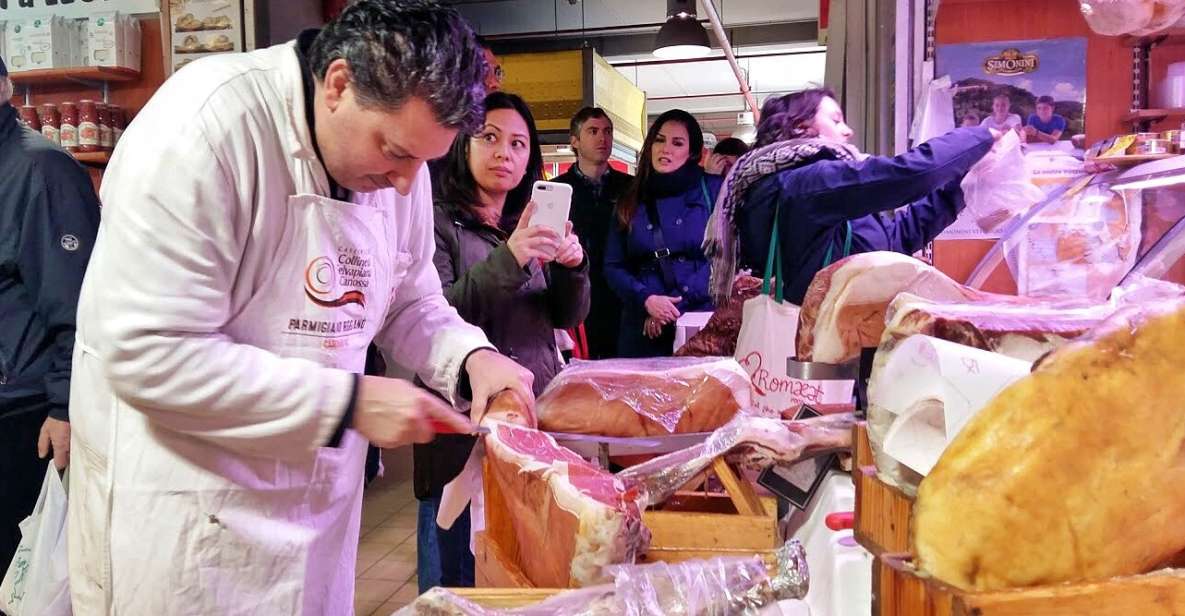
- Italy’s biggest local farmers market where you learn the stall-owner stories
- Roman street food stops with mozzarella, prosciutto, aged cheeses, and hot supplì
- Olive oil tasting featuring an organic oil recognized as best in the world in 2018
- VIP pasta shop access tied to how pasta is made in Rome for over a century
- Pope-favorite gelato plus a 360° rooftop view to cool down your day
Starting with homemade cornetti and real coffee
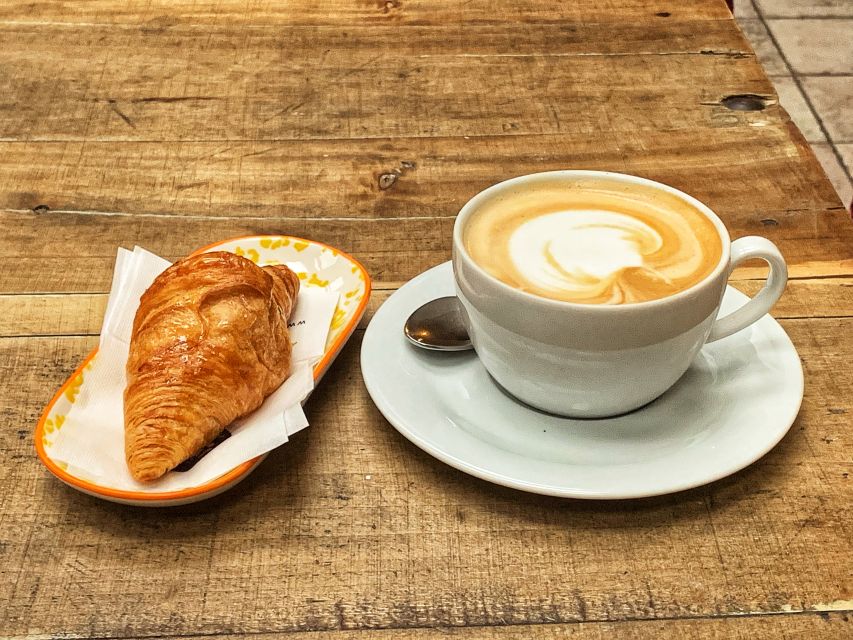
Most food tours start with a generic “let’s taste.” This one starts with something more useful: coffee basics you can actually use later. You’ll meet in a local bar and work through the rhythm of Italian coffee ordering and what to expect in a Roman morning-style pairing.
Then comes the sweet part: cornetti that are homemade by a 70-year-old nonna. That detail matters because it turns a snack into a living tradition. You’re not just eating. You’re learning how habits get passed down—how the texture, sweetness, and timing connect. If you’ve ever had cornetti somewhere that tasted like a supermarket cousin, this is your reset.
Practical tip: plan to arrive hungry, but not frantic. This start is early in the flow, so you don’t want to be so full that you miss the first tastings. Comfortable shoes matter here too, because after the coffee stop the walking starts and doesn’t really stop for the whole 3 hours.
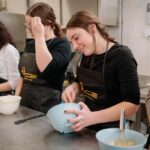
Also, this opening sets the tone for the guide. Greta’s style (patient, clear, and happy to answer questions) keeps the history bits from feeling like a lecture. You get to ask, and you get to eat.
You can also read our reviews of more food & drink experiences in Rome

The biggest farmers market in Italy: where Roman flavors are born
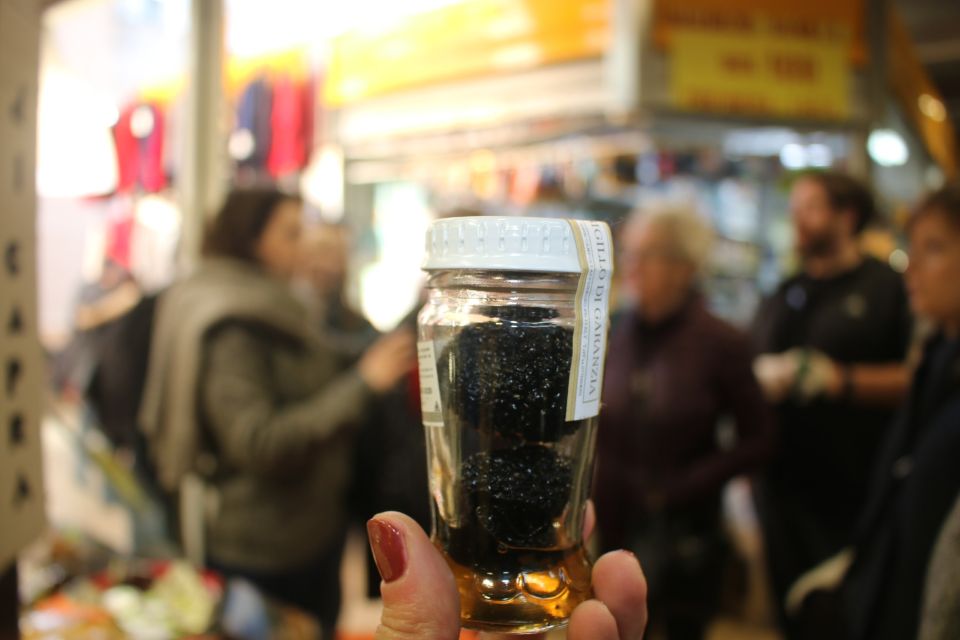
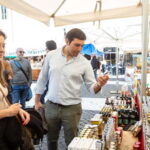
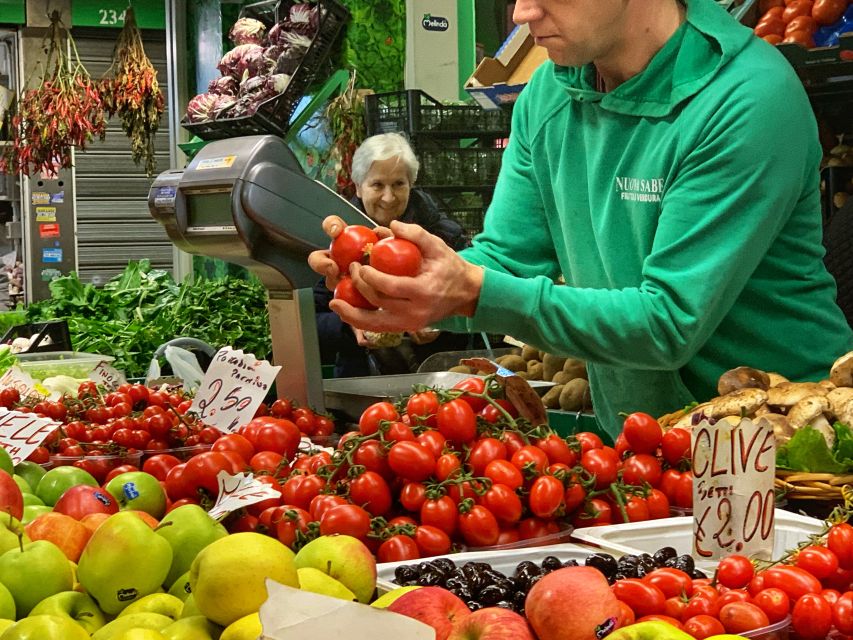
Next you’ll hit the biggest farmers market in Italy, and that’s not a brag line—it’s the reason the tasting works. Markets are where locals shop, where families run stalls, and where food choices reflect the season and the day. This stop gives you context you won’t get from a single restaurant plate.
You’ll behave like real Romans, not just as a tourist collecting bites. That means noticing how people move through the aisles, what they ask for, and how stall owners talk about their products. The guide also points out the family-owned side of the stalls—shops run by the same families across generations. You’ll taste while you learn who makes what, and why you’d choose one cheese or cured meat over another.
What I found useful is that the market teaches your senses. When you taste different aged cheeses or mozzarella styles, you start noticing small differences in texture and salt level. Those details stick. Later, when you order something similar on your own, you’ll know what to look for.
One more thing: the market is a good time for questions. It’s easier to ask about a product when you can point at it, and the guide’s pace leaves room for that.
Mozzarella, prosciutto, aged cheeses, and supplì on the move
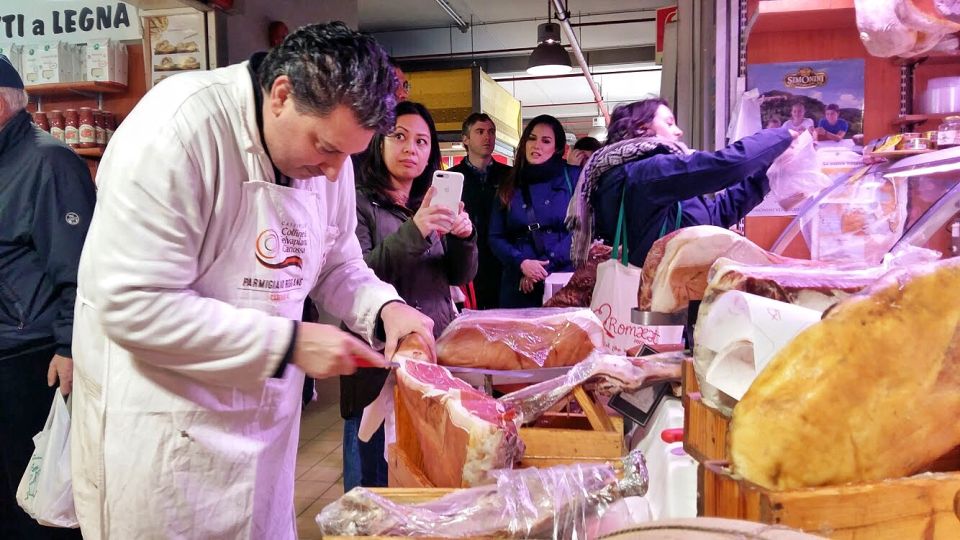
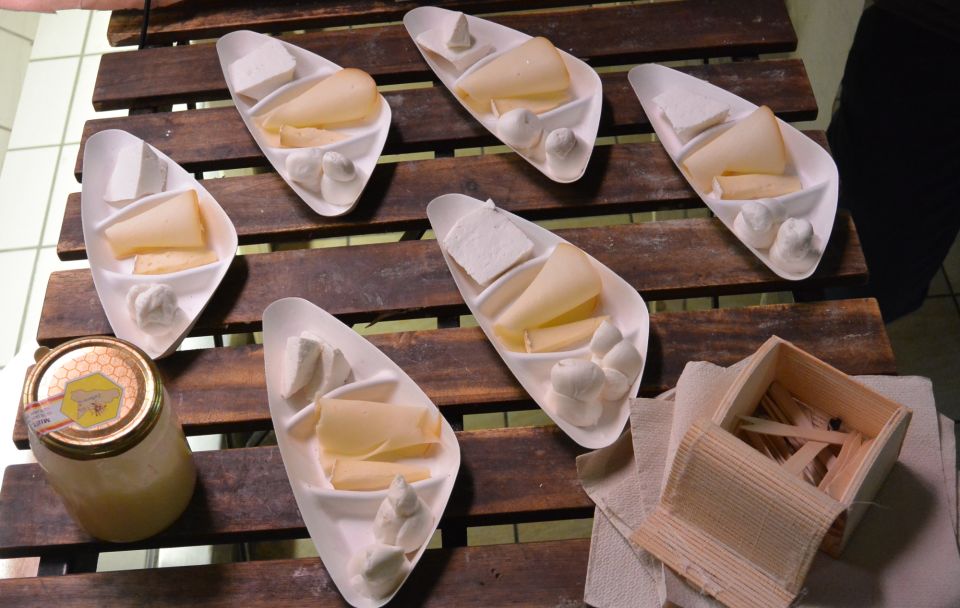
After the market, the tour shifts into a classic Roman tasting circuit. You’ll go through mozzarella, prosciutto, and aged cheeses, each one showing a different role in the local food world—freshness, salt-and-savor depth, and aged character.
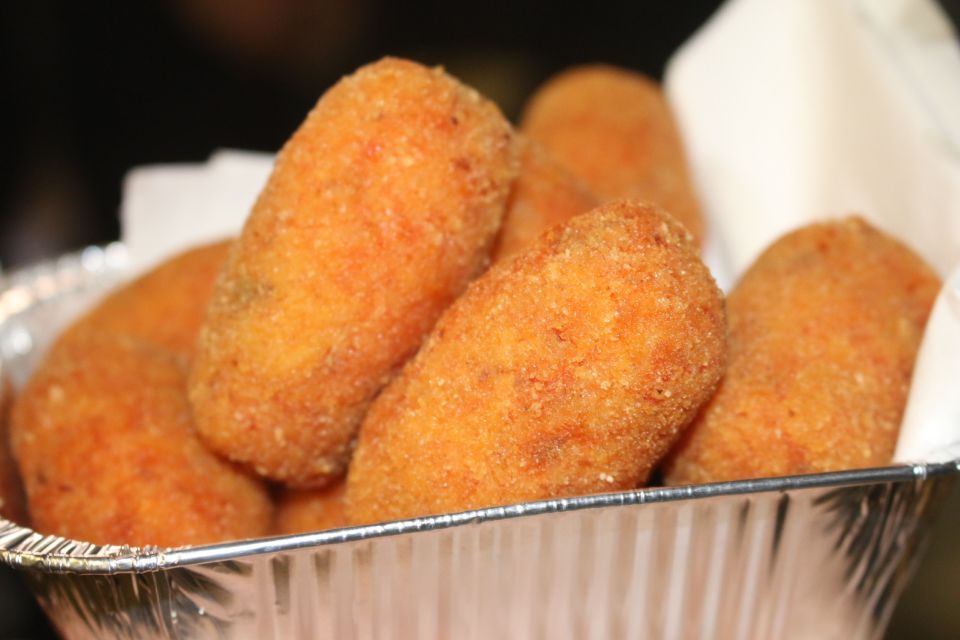
Then comes the street-food moment: supplì, the king of Roman street snacks fried fresh at the moment for you. This stop is one of the best “wow” parts of the day because supplì is best when it’s hot and crisp. Fried food also gives you a break from cheese-heavy tastings and adds texture contrast.
If you want to eat smarter in Rome (and not just heavier), this is a good lesson. It shows how Romans mix categories: dairy and cured meats first, then something fried for crunch. You get variety without needing a full sit-down meal.
There’s also a nice rhythm to how the guide strings the history into the tastings. Instead of saying random facts, the stories connect to why certain ingredients show up again and again in Roman food. That makes the experience feel grounded.
Small practical note: have a plan for sharing. Portions can be small enough for a normal person, but the tastings are meant to rotate through a lot of items. If you’re with someone, sharing is fine—just don’t assume every stop has a shared size.
Organic olive oil tasting and a 1915 bakery visit
Next you’ll taste organic olive oil that was awarded as the best in the world in 2018. Even if you don’t feel like an oil expert, this is worth paying attention to. Olive oil tasting isn’t just about flavor. It’s about balance—bitterness, fruitiness, and that peppery finish that shows up in good oil.
This matters because olive oil is the quiet foundation of a lot of Roman eating. If you taste it here, you’ll be more tuned in later when you see it used on bread or as a finishing element on plates.
After that, the tour heads to an older-style food stop: a crunchy pizza at the oldest bakery of the area, opened in 1915. That timeline gives you a sense of continuity. Food traditions don’t only survive through recipes. They survive through places—through ovens, routines, and daily demand.
What to expect here: you’ll get a taste that reflects a bakery approach, not a tourist version. That’s the value of timing your visit with a guided route: you reach places that feel “in use,” not just “in the past.”
If you’re the kind of traveler who likes to understand how a city tastes over time, this stop lands well. It bridges modern cravings (pizza) with an old-school production style.
VIP access inside Rome’s oldest pasta shop
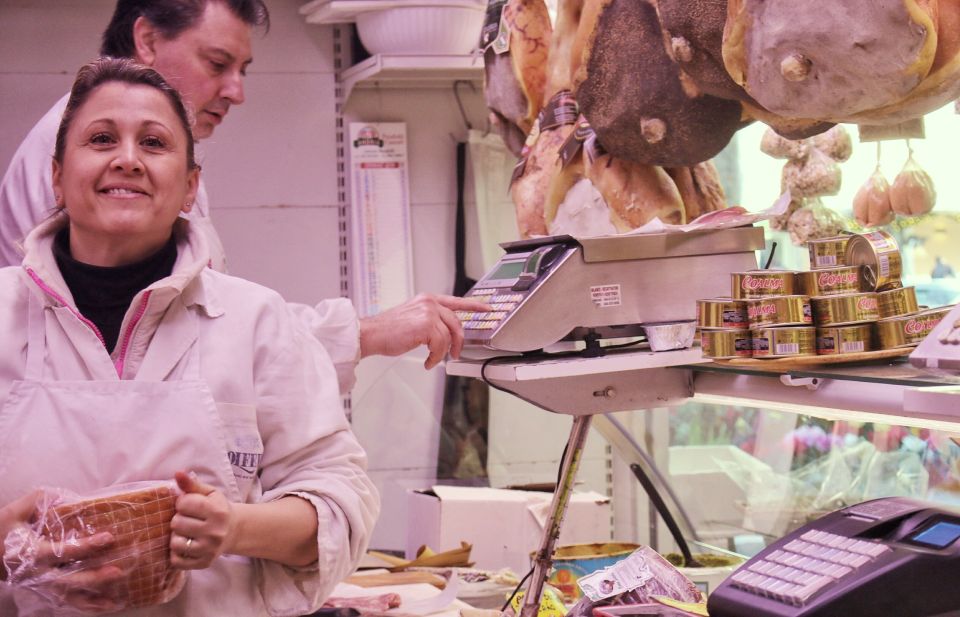
One of the best reasons to book this tour is the exclusive VIP access inside the oldest pasta shop of Rome. Most food tours hand you pasta to eat and call it a day. Here, the pasta shop is treated like a craft workshop.
You’ll learn how pasta is made there, and the key detail is time: they’ve been making pasta since more than one century. That’s not just marketing—it’s a reminder that pasta is a technique and a culture, not a single dish.
The guide’s storytelling also connects the act of making pasta to Roman identity. You start to see pasta as an everyday tradition that adapted across generations. And once you understand the process, the tasting feels more meaningful.
Practical considerations: this part of the day can be emotionally satisfying if you love food craftsmanship, because you’re not just chewing. You’re learning while you eat. If you’re in a hurry or hate indoor stops, this may feel less your style—but since it’s part of a short 3-hour experience, it’s still manageable.
And don’t skip the small questions. Greta was the type of guide who patiently answered them, and pasta questions are usually the best kind: practical, ingredient-based, and easy to connect back to what you’ll see in Rome later.
You can also read our reviews of more tours and experiences in Rome

Apulian street food, local wine, then Pope-favorite gelato
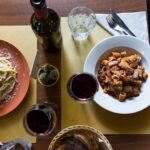
The tour then takes a side step beyond pure Roman staples with an Apulian street food shop stop. You’ll have local wine here, adding a different flavor angle and a break from the heavier cheese-and-fried loop.
This is one of those choices that makes the tour feel balanced. Even though the tour is Eat Like a Roman, the route acknowledges that Italian street food culture shares techniques across regions. You get a taste of how “street food” evolves without losing the Roman focus.
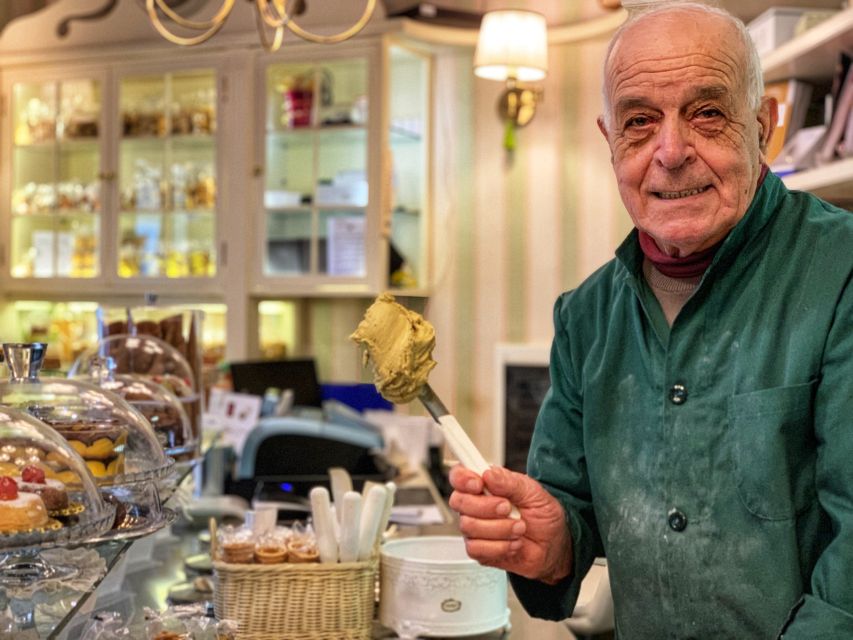
Then you land at dessert: real gelato in a tiny hidden place, elected by the Pope as his favourite gelato place. That’s a big claim, but it also serves a useful purpose for your day. Dessert is where the flavors soften and you can reset your palate after salty, savory bites.
The sweetness here isn’t random. It feels like an end marker. The gelato also gives you a chance to slow down mentally, not just physically.
If you’re trying to decide what to order on your own later, use this moment as your reference point. Notice how it tastes compared to typical gelato you might find elsewhere: texture, intensity, and the balance between creaminess and flavor.
Vatican district walk and a 360° rooftop payoff
After the food stops, you still keep moving through Rome—but in a different mode. You’ll walk in the Vatican district but totally off the beaten paths. This isn’t a long sightseeing day, so the value is in getting that sense of neighborhoods rather than only aiming at postcard angles.
Why this matters: when you pair food with place, you remember the city as lived-in. You’ll connect what you ate to where you are. Streets and small shops become part of the story.
Finally, there’s the rooftop moment: a stunning 360° view of Rome from a breathtaking rooftop. This is the point where the tour shifts from eating-and-learning into a simple “take it in” finish. A rooftop view at the end helps you digest the day in a literal way.
Practical tip: weather can change fast in Rome. Bring layers. Even if it’s sunny when you start, rooftop wind can be real.
Price and what you’re really paying for ($79.30 per person)
At $79.30 per person for a 3-hour experience, the price can look steep at first—until you break down what’s included.
You’re paying for:
- More than 20 tastings of food and wine
- Stops at specific places with long-time histories, including an older bakery and a very old pasta shop
- Storytelling that connects the bites to Roman life, plus time to ask questions
- The included organic cotton totebag
- An English-speaking guide who keeps the day organized and enjoyable
The value angle: you’re not just “eating a lot.” You’re gaining a guided map of what to look for in Rome—cheese types, fried street snacks like supplì, olive oil quality, and pasta craft. That kind of context makes meals later on your own more enjoyable because you’ll know what stands out.
Also, the tour includes all the tastings, which matters for budgeting. Without that, you’d end up piecing together market snacks, a pasta stop, wine, and dessert separately—and you’d still miss at least one of the VIP access components.
The one thing not included is transport to and from your hotel, so plan on getting yourself to the start point. That’s normal for short walking tours, but it’s worth confirming before you book.
Who this Rome food walk suits best
This experience fits best if you like a day that’s part food tour, part city walk, and part craft-story. It’s especially good for:
- First-timers who want a focused taste of Roman eating without planning each stop
- Travelers who care about the people behind the food (families running stalls and long-running shops)
- Anyone who enjoys guided storytelling and asks questions when curious
- People who want a payoff view at the end rather than ending in a restaurant
It may not be ideal if you:
- Need a vegan plan (it’s not suitable for vegans)
- Have very limited mobility or dislike walking long blocks, since it runs rain or shine and involves market and neighborhood movement
- Want a strictly museum-style sightseeing day instead of a food-centered one
Should you book Eat Like a Roman?
I’d book it if your goal is to understand Rome through how people eat—from market stalls to a century-old pasta shop, plus a rooftop view to wrap the whole thing up.
Skip it if vegan options are important for you, since the tour isn’t designed for that. And if you hate walking in unpredictable weather, just be realistic about shoes and layers.
If you’re on the fence, here’s my simple deciding rule: if you’d rather spend $79.30 on guided tastings and access than on guessing your way through multiple snack spots on your own, this tour makes sense.
FAQ
How long is the Eat Like a Roman tour?
It lasts about 3 hours.
What’s included in the price?
All food and wine tastings are included, along with an organic cotton totebag and an entertaining Roman guide in English.
Is the tour suitable for vegans?
No. It is not suitable for vegans.
Does the tour run rain or shine?
Yes, it runs rain or shine, so wear comfortable clothing and shoes for walking.
Is hotel transport included?
No. Transport from and to your hotel is not included.
Is the tour wheelchair accessible?
Yes, the experience is wheelchair accessible.