REVIEW · ROME
Ravioli Cooking Class in Rome – Piazza Navona
Book on GetYourGuide →Operated by IPM COETUS SRL · Bookable on GetYourGuide
Piazza Navona becomes your pasta workshop. I love the hands-on ravioli making with a small group, and I also like the way you get to relax with bruschetta and a drink while the restaurant finishes cooking your ravioli. One thing to plan for: you make the pasta and assemble the ravioli, but you do not cook the stuffing or the sauce from scratch.
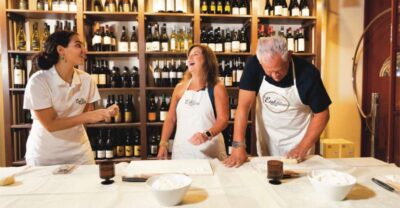
You’ll start inside Ristorante Panzirone and settle into a proper old-school rhythm: rolling dough, filling, shaping, and then eating what you made at a historic restaurant right by Piazza Navona. The instructor is in English, and in past sessions the vibe has been friendly and focused (one guide you might hear about is Bea). Arrive on time too, because this is not a waiting-for-late-comers kind of class.
In This Review
- Key Things to Know Before You Go
- Piazza Navona Ravioli: Why This Cooking Class Feels More Like a Meal Than a Demonstration
- Ristorante Panzirone Meeting Point: Getting Oriented Fast
- Bruschetta and Drinks While the Kitchen Cooks: The Best Kind of Waiting
- Handmade Ravioli Workshop: Rolling and Shaping the Real Way
- Choosing Fillings and Matching Sauces: Ricotta-Spinach or Ragu Pairing
- Assembly Tips That Actually Matter When You’re Done Chewing
- Lunch Comes First: Butter and Sage or Tomato Sauce
- The Parmigiano or Pecorino Romano Tip: Don’t Be Shy
- Price and Value in Rome: What $54.66 Buys You
- Who This Class Is Best For (and Who Should Skip It)
- The Rome Context: Why This Works as an Activity, Not Just a Tour
- Should You Book This Ravioli Class in Piazza Navona?
- FAQ
- How long is the ravioli cooking class?
- Where do I meet for the class?
- What do I make during the class?
- Are drinks and coffee included?
- Do I choose the sauce?
- Is this class suitable for vegans, gluten intolerance, or lactose intolerance?
- Is the class wheelchair accessible, and is the instructor English-speaking?
Key Things to Know Before You Go
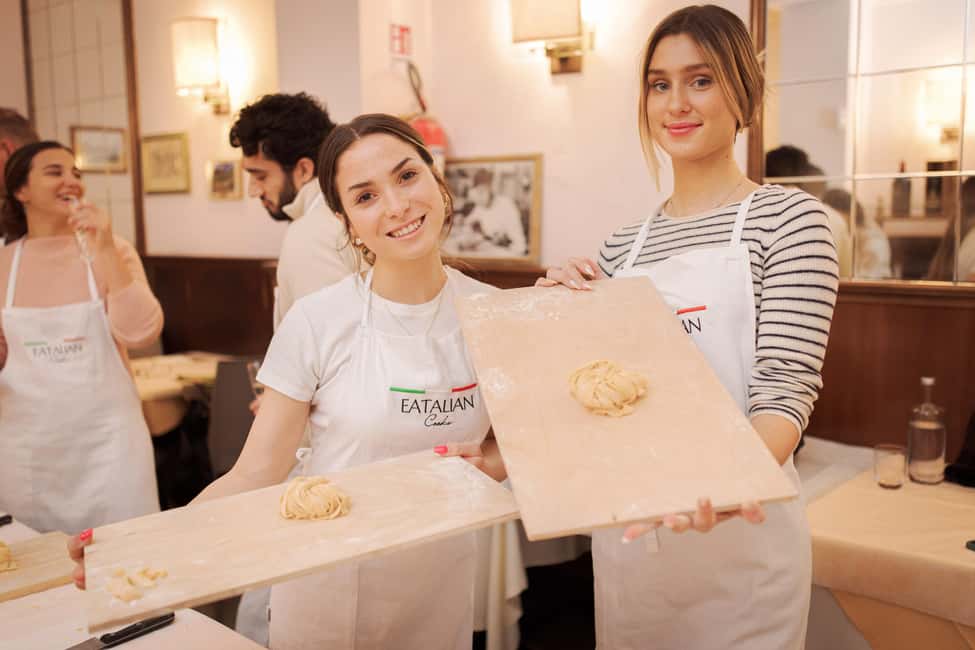
- Small group (up to 7) means more attention while you’re working dough.
- You assemble the ravioli, while the kitchen handles sauce cooking and timing.
- Bruschetta + beer or wine starts the meal while you watch your ravioli being cooked.
- Two filling options pair with matching sauces, so you can steer your plate.
- Parmigiano or pecorino on top is encouraged without holding back.
- Strict start timing matters since this is not a private class.
Piazza Navona Ravioli: Why This Cooking Class Feels More Like a Meal Than a Demonstration
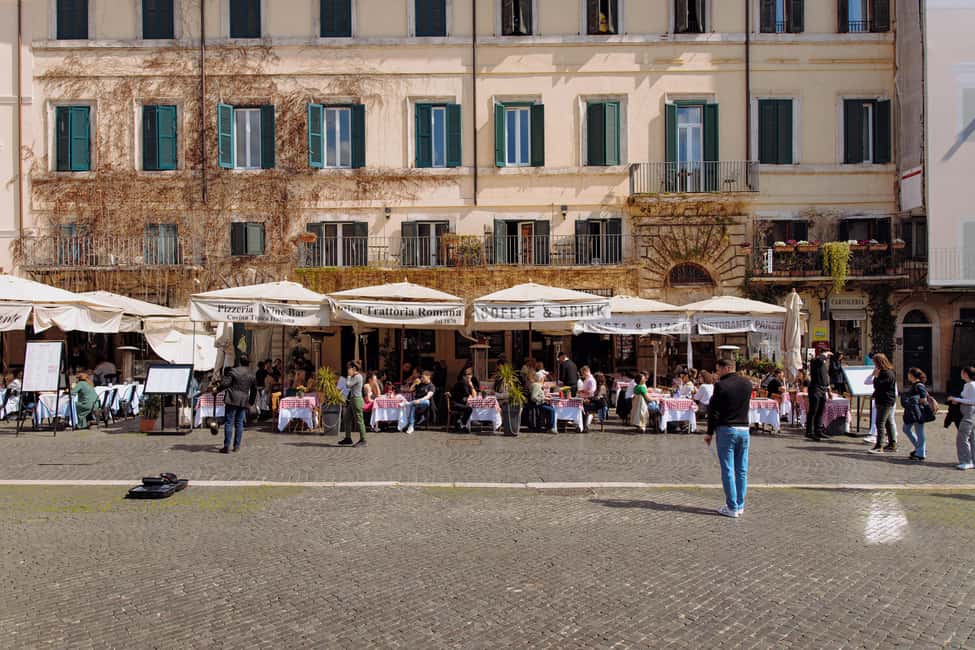
Cooking classes in Rome can swing from hands-on to mostly watching. This one lands in the sweet spot for me: you’re actively making handmade ravioli, then you sit down and eat them in the same place they’re cooked. That matters because it turns skills into a meal you actually remember—not just a technique you pack away.
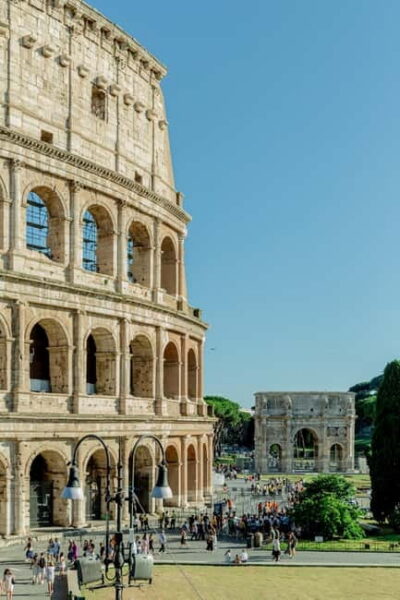
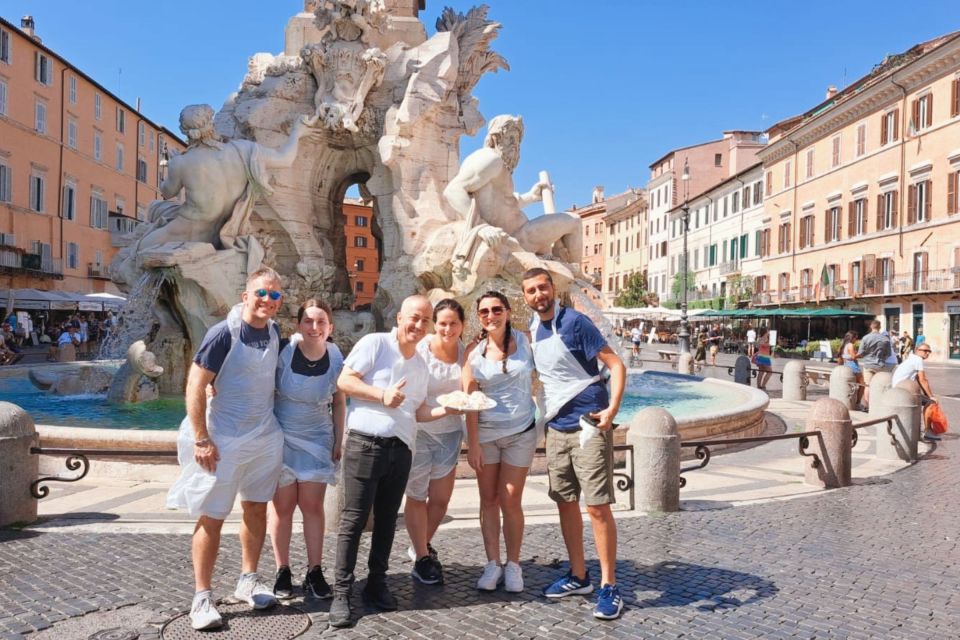
The location also does work. Piazza Navona is one of those places where you can glance up and feel like you’re in a postcard. But you’re not just sightseeing. You’re using the time in a practical way—learning how Italian flavors come together, then tasting the result right after.
Finally, the class is built for real eating. You don’t only get a bite. You get an appetizer, a drink, and a full lunch-style dish, so the $54.66 price isn’t just “paying for cooking.” It’s paying for ingredients, instruction, and the meal that follows.
You can also read our reviews of more cooking classes in Rome


Ristorante Panzirone Meeting Point: Getting Oriented Fast
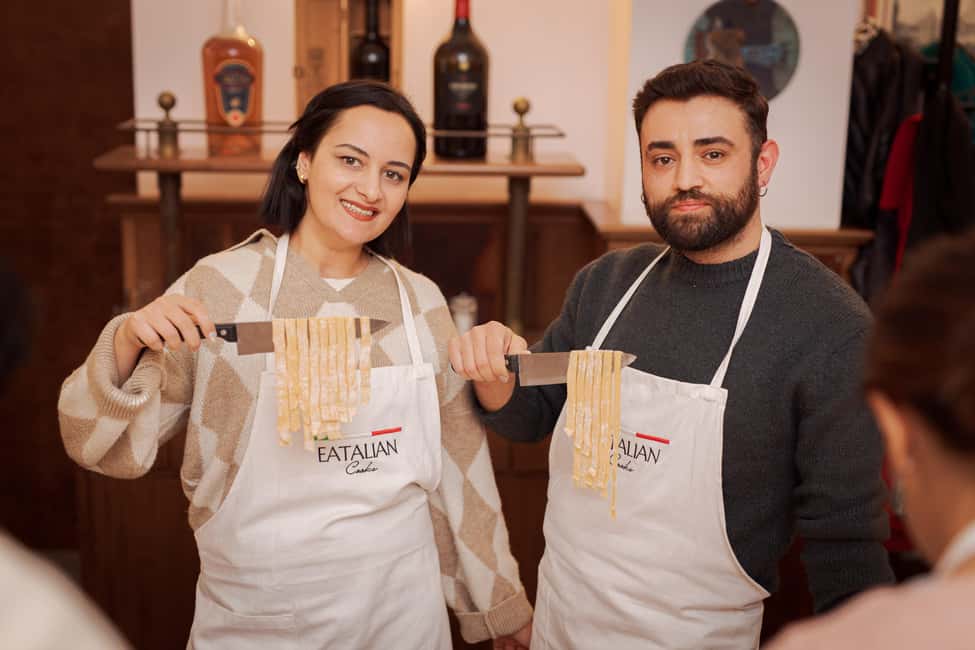
You meet all guests inside Ristorante Panzirone. When you arrive, ask a waiter to guide you to the right spot for the class. This is simple, but it’s worth taking seriously because the experience runs like a schedule, not a wandering hangout.
The class is 2 hours, and since it’s small group and not private, they can’t wait more than about 10 minutes for anyone late. So if you’re pairing this with a walk around Piazza Navona, build in extra time. Rome streets can be charming and slow in the same breath.
One more practical note: this class is in English, and that keeps the learning curve smooth. You don’t need Italian pasta vocabulary to understand what to do with dough and filling.
Bruschetta and Drinks While the Kitchen Cooks: The Best Kind of Waiting
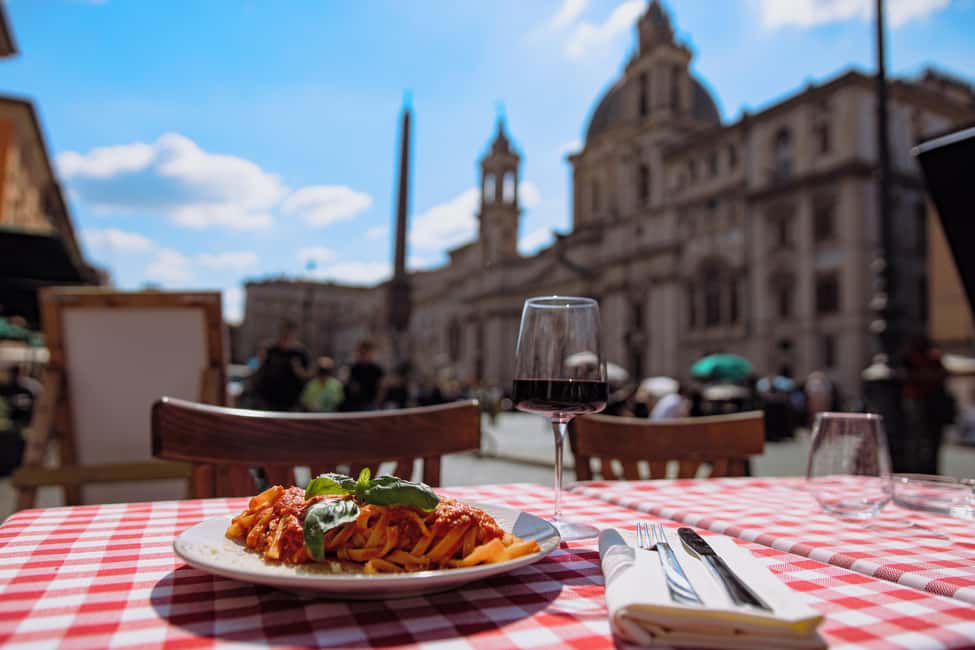
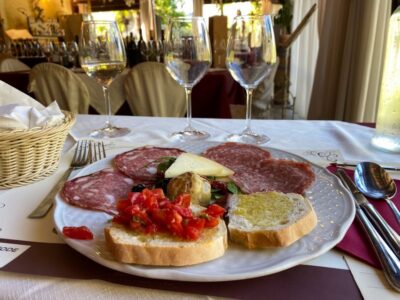
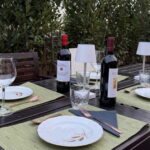
Most of the “waiting” in a cooking class is boring. Not here. After you’re seated at the historic restaurant, you get served bruschetta and a glass of beer or wine while the kitchen cooks your ravioli.
It’s a clever setup. You get to enjoy the meal atmosphere right away, instead of standing in a kitchen for the full duration. And you also get to watch what happens behind the scenes—how the restaurant finishes the timing, handles heat, and brings the ravioli to the right texture.
If you like pacing (and not rushing), this part helps. You’ll still do plenty of work making ravioli, but you’re not doing it at the expense of enjoying Rome.
Handmade Ravioli Workshop: Rolling and Shaping the Real Way
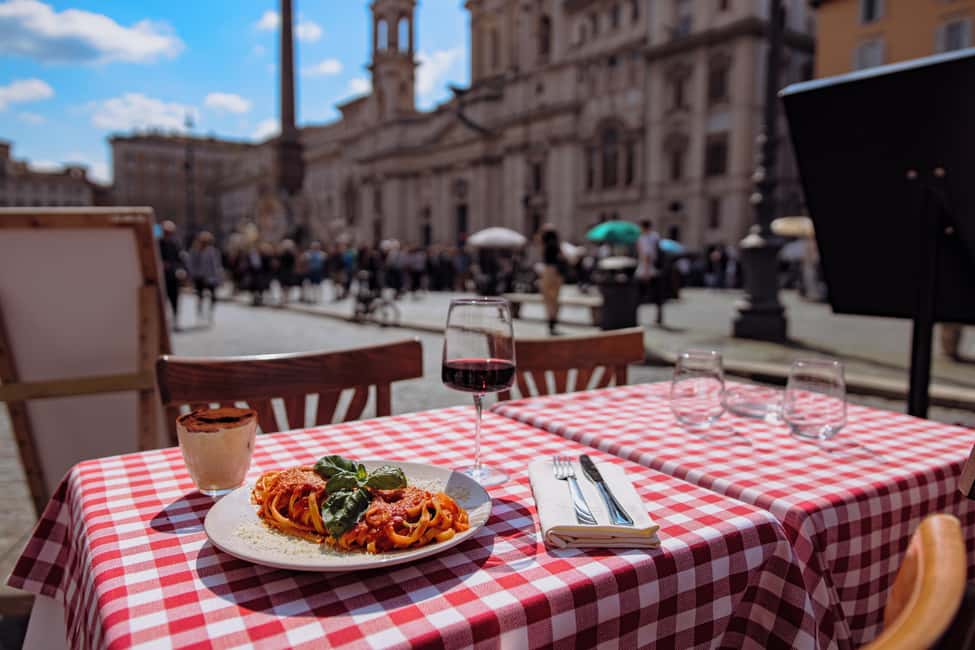
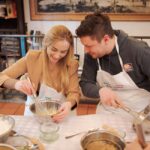
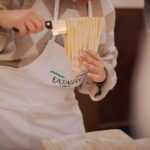
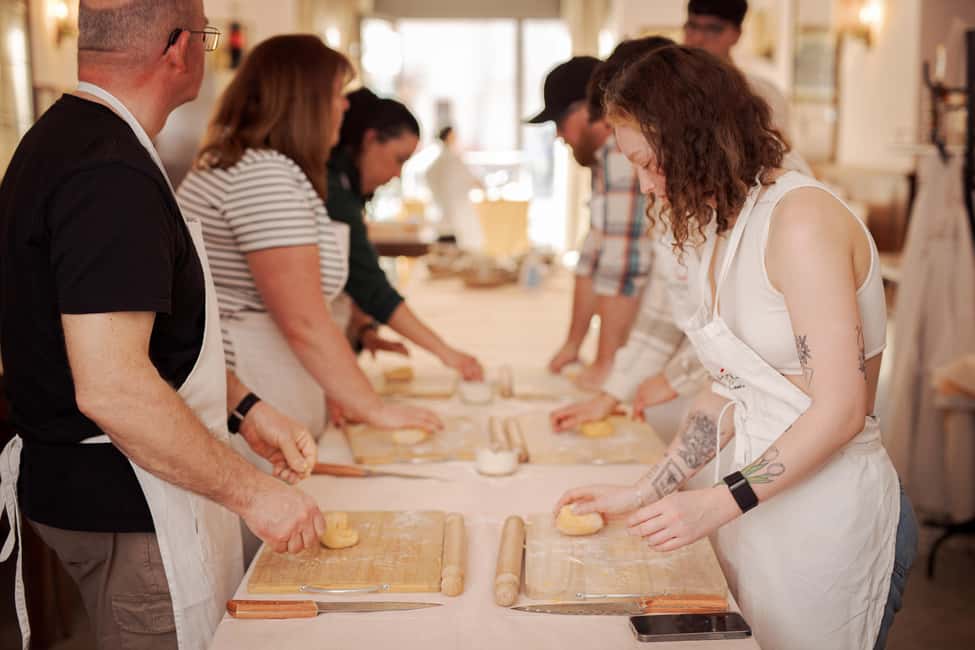
This is the core of the experience: you make the ravioli by hand. One of the standout details you can plan for is the focus on traditional technique—like rolling dough yourself rather than relying on a machine. That old-school approach is where you learn the most, because you feel the dough and adjust as you go.
In the class, you’ll be working from ingredients the team provides. You’re not hunting down flour or counting out portions. Instead, you’re focused on the craft: rolling, portioning, filling, folding, and sealing.
And since the group is limited (up to 7 participants), you’re not fighting for space or waiting forever for help. That small-group size is a big part of why this class earns a high rating.
Choosing Fillings and Matching Sauces: Ricotta-Spinach or Ragu Pairing
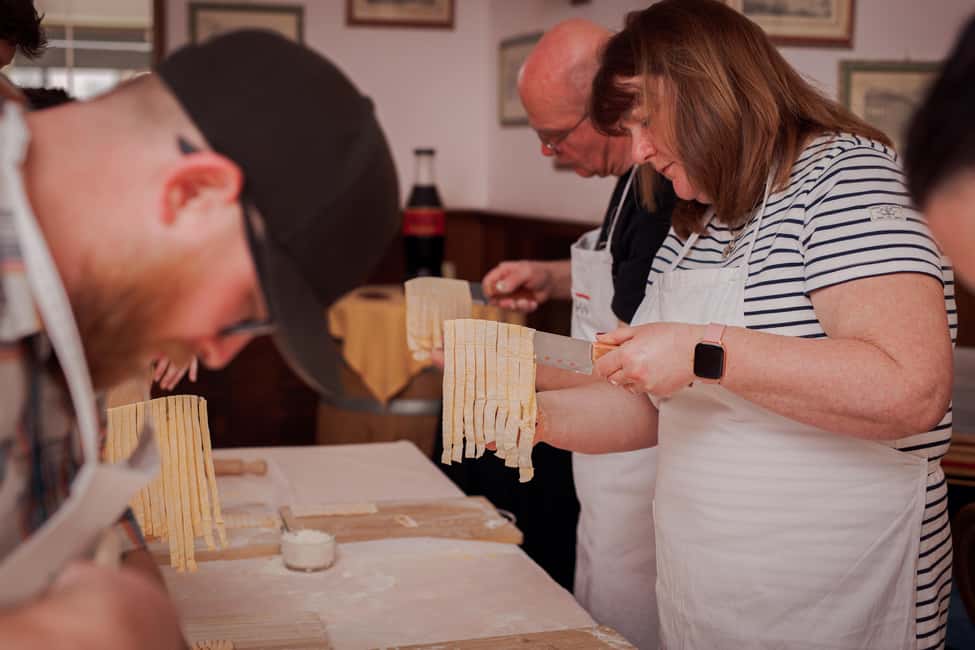
Ravioli in Italy isn’t one thing. It’s a whole universe. In this class, you’ll work with traditional stuffing options, typically:
- Ricotta with spinach
- A ragu option (served as a pairing in the class)
Here’s the important expectation to set: the course focuses on handmade ravioli. The data also notes that cooking the ragu isn’t something they do in the timeframe, because it takes 3+ hours. So you’re learning the traditional idea of ravioli fillings, but you’re not going to be cooking a slow, multi-hour ragu pot from scratch during your class.
You do, however, get to pick the sauce pairing for your chosen stuffing. That gives you a real decision to make—and it helps you understand how Italians think in combinations: filling style + sauce style + final bite.
You can also read our reviews of more tours and experiences in Rome

Assembly Tips That Actually Matter When You’re Done Chewing
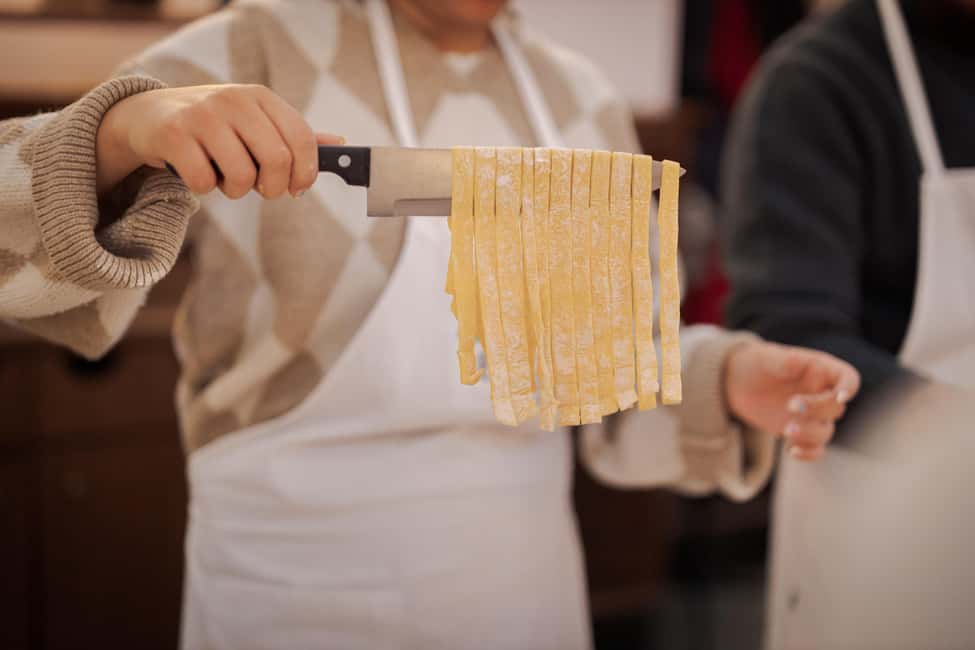
Once you’re at the shaping stage, it’s all about details like sealing edges and keeping the ravioli neat. If a seam opens during cooking, you lose filling and you lose confidence. This is where the instructor’s job matters: you need clear, practical guidance so you can finish your ravioli properly.
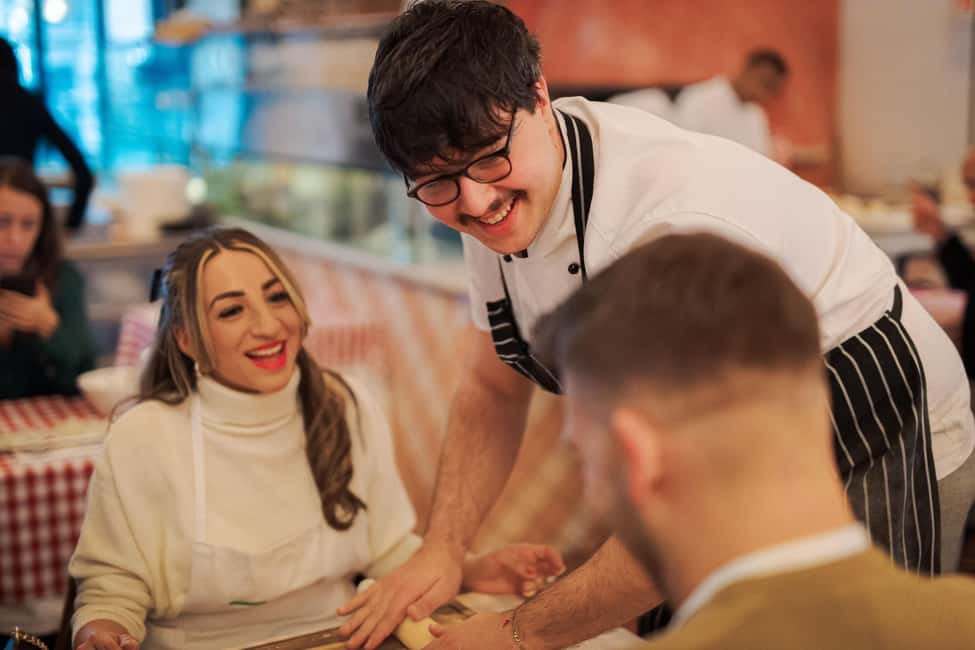
In past sessions, the instruction has been described as focused, friendly, and fun, with instructors like Bea helping people zero in on the technique. That kind of teacher presence matters in a small class because you get corrections before you perfect the wrong thing.
Also, don’t underestimate the satisfaction of making something that’s meant to be eaten immediately. You’ll finish your ravioli, then soon you’ll be the one tasting it—hot, sauced, and topped.
Lunch Comes First: Butter and Sage or Tomato Sauce
After your ravioli is cooked in the restaurant kitchen, staff serve you with the matching sauce you selected. The class provides two sauce directions tied to stuffing choices:
- Butter and sage
- Tomato sauce
I like this approach because it keeps things manageable in a short class window while still giving you variety. You get to taste two classic Italian flavors, and you can notice how the sauce changes the feel of the pasta—fattier and fragrant with sage, or more straightforward and tangy with tomato.
And yes, this is the kind of meal where the restaurant does the final cooking and plating well. The value is that you’re learning the craft without having to run the whole operation.
The Parmigiano or Pecorino Romano Tip: Don’t Be Shy
Here’s a kitchen secret you should actually use: you’re encouraged to add as much Parmigiano or Pecorino Romano as you want on top.
That’s not just about taste. It’s also about how Italian cooking gets built: cheese isn’t an optional garnish. It’s part of the flavor logic. Pecorino brings a sharper edge; Parmigiano is rounder and mellow. In a class where your ravioli was homemade, letting yourself finish with a generous cheese topping is one of the easiest ways to make the meal feel complete.
So if you’re the type who always adds extra cheese at restaurants—good. This is your moment.
Price and Value in Rome: What $54.66 Buys You
$54.66 for about 2 hours might look like “just a class” at first glance. But when you break it down, it’s more like a small-group lunch experience with instruction included.
What you get in the price:
- Ingredients for the ravioli (the restaurant supplies what you need)
- A pairing sauce already prepared and cooked with your ravioli in the kitchen
- Bruschetta as an appetizer
- A drink during lunch (beer or wine), plus water
- Coffee or a glass of limoncello
- Serving staff who bring you the ravioli you made
The biggest value piece is that you’re not paying extra to rent space, manage ingredients, and cook sauce for hours. That work is done for you—then you get hands-on instruction where it counts: the dough and ravioli assembly.
It’s also good value compared with many “hands-on” experiences that give you a tiny snack and lots of watching. Here, you do enough work to earn the meal that follows.
Who This Class Is Best For (and Who Should Skip It)
This is a great fit if you want:
- A small-group cooking class in English
- Real pasta making, not just a demonstration
- A lunch that feels like it belongs in Rome, not like a roadside tourist stop
It’s probably not your best match if you:
- Need vegan-only food (it’s not suitable for vegans)
- Have gluten intolerance (not suitable)
- Need lactose-free cooking (not suitable for lactose intolerance)
- Have nut allergies (not suitable)
- Are traveling with kids under 7 years (not suitable)
One nice detail: it is marked wheelchair accessible. Still, it’s smart to message in advance if mobility is a key factor, since the class takes place in a specific restaurant setting near Piazza Navona.
The Rome Context: Why This Works as an Activity, Not Just a Tour
A ravioli class can be a good “life skill” activity. But in Rome, it’s also a smart timing choice. It’s an easy way to spend part of a day without needing long transfers or complex planning.
Because you’re in Piazza Navona’s orbit, you can also pair this with walking afterward—seeing the square while your brain is primed for Italian flavors. The ravioli experience gives you a better frame for what you’re tasting elsewhere: you start to notice pasta thickness, how fillings behave, and how sauces balance richness.
And the small group feel helps. You’re not stuck with a crowd. You’re working, eating, and learning as a group of about seven people.
Should You Book This Ravioli Class in Piazza Navona?
Book it if you want an actual, hands-on pasta-making experience that ends in a satisfying lunch. The combination of small group teaching, a real meal (bruschetta, drink, coffee or limoncello), and the satisfaction of eating your own ravioli makes this a strong value for Rome.
Skip it if you’re expecting to cook the stuffing or the sauce from scratch. This class is ravioli assembly and technique, while the restaurant handles the parts that would take far longer. Also skip if your dietary needs fall into the listed restrictions.
If that matches your expectations, you’ll leave with a practical pasta skill and a very Rome kind of memory: Piazza Navona, dough on your hands, and cheese on top.
FAQ
How long is the ravioli cooking class?
The class lasts about 2 hours.
Where do I meet for the class?
You meet all guests inside Ristorante Panzirone. Ask a waiter to guide you when you arrive.
What do I make during the class?
You make the ravioli by hand. The class is focused on the ravioli itself, not on cooking the sauce or stuffing from scratch.
Are drinks and coffee included?
Yes. A drink during lunch is included (beer or wine), plus water, and coffee or a glass of limoncello.
Do I choose the sauce?
Yes. The sauce is paired with your ravioli choice, and you can pick between the available sauce options.
Is this class suitable for vegans, gluten intolerance, or lactose intolerance?
No. It is not suitable for vegans, and it is also not suitable for gluten intolerance or lactose intolerance.
Is the class wheelchair accessible, and is the instructor English-speaking?
Yes, the activity is wheelchair accessible, and the instructor teaches in English.
If you want, tell me your travel dates (or whether you’re more into ricotta-spinach or ragu styles), and I’ll help you pick the best time window for pairing the class with Piazza Navona sightseeing.