REVIEW · ROME
Rome: City Highlights Walking Tour
Book on GetYourGuide →Operated by Crown Tours · Bookable on GetYourGuide
Rome at night sounds simple, but it isn’t. This Rome City Highlights Walking Tour strings together the big-name sights—Pantheon, Trevi Fountain, Piazza Navona—using a local guide’s stories to make the city feel less like a checklist and more like a living place. You’ll also pass right through the famed shopping stretch of Via del Corso, so your evening walk doubles as a stroll through Rome’s style and street life.
I love that the route hits the iconic spots in a tight, sensible loop, so you get variety without wasting hours crisscrossing town. I also like the human factor: guides such as Sandra, Serena, Paolo, Mattej, Davide, and Arian show up with real personality and a knack for turning architecture and history into something you can actually picture.
One possible drawback: two hours goes quickly, and the sights pile up fast. If you show up late, you can risk missing entrance at check-in, and you’ll want comfy shoes since the “winding cobbled alleys” are part of the charm and the pace.
In This Review
- Key things that make this tour worth your time
- Finding the start point near the Colosseum (without losing your evening)
- Your walking rhythm: what a 2-hour highlight loop feels like
- The Pantheon at night: why this stop matters more than photos
- Trevi Fountain time: seeing the most famous money moment in real life
- Piazza della Rotonda: where the Pantheon becomes part of the nightlife scene
- Via del Corso: the “window-shop” stroll that keeps your feet moving
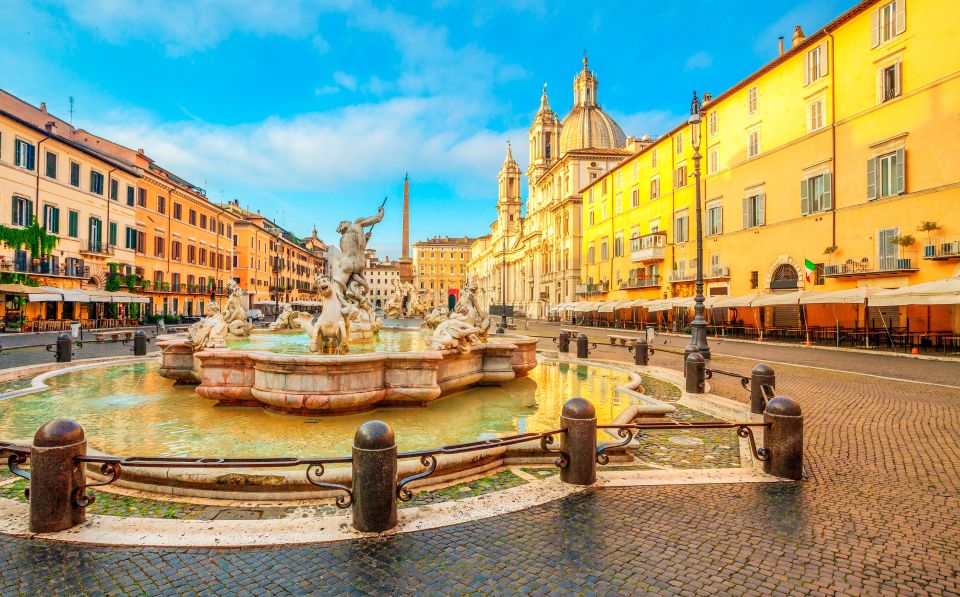
- Piazza Navona and Bernini’s Four Rivers Fountain: the best “wow” per step
- Campo de’ Fiori at the end: what to do when the tour is over
- Price and value: is $56.94 for a 2-hour walk a good deal?
- Language and guide style: why the name matters
- Tips that make the tour smoother (and more fun)
- Who this tour suits best
- Should you book this Rome City Highlights Walking Tour?
- FAQ
- How long is the Rome City Highlights Walking Tour?
- Where is the meeting point?
- Do I get hotel pickup or drop-off?
- Which sights are included?
- What languages are the live guides available in?
- What’s included in the price?
- What is the cancellation policy and is pay later available?
Key things that make this tour worth your time
- Moonlight-first route: iconic Rome at night, with the Pantheon and fountains lit up.
- A guide who explains what you’re looking at: stories that connect buildings to why they mattered.
- Designer-street window shopping: Via del Corso plus big storefront names as you walk.
- Real time at major piazzas: Piazza della Rotonda and Piazza Navona are part of the experience, not a quick pass.
- A satisfying ending neighborhood: Campo de’ Fiori as a final jump-off point for bars, nightlife, and food.
- Short duration, big coverage: a 2-hour evening format that works well for first-timers.
Finding the start point near the Colosseum (without losing your evening)
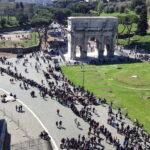
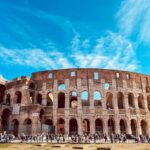
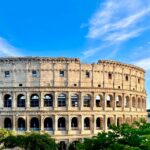
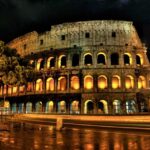
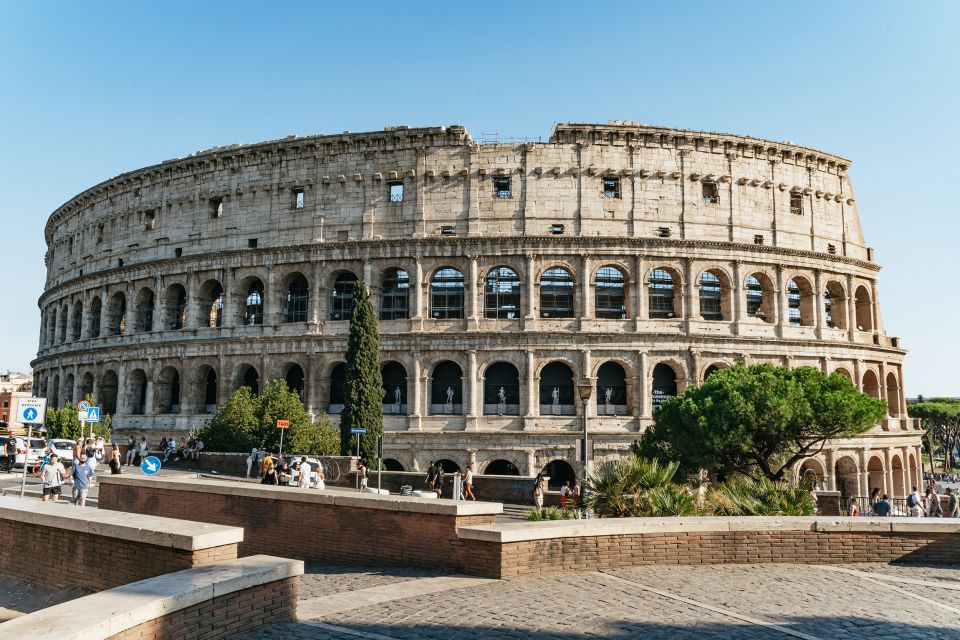
The tour starts about 100 meters from the Colosseum, and the meeting office is up near the terrace above the Colosseum Metro Station. From street level, you’ll cross a pedestrian bridge above the road, then go to the office on the other side about 50 meters up the street. Look for the purple flag that says Crown Tours.
Arrive early. You’ll need time to check in, and late arrivals can’t be guaranteed for entrance. If you’re the type who likes to stand around with a map open and a latte in hand, build in an extra cushion before the start so you’re not rushing while the group is already forming.
You can also read our reviews of more walking tours in Rome
Your walking rhythm: what a 2-hour highlight loop feels like
This is a compact 2-hour evening tour. That’s long enough to see major landmarks and hear the story behind them, but short enough that you won’t get bored or stuck in one place for too long. It also means you should keep your pace steady, since the “winding cobbled alleys” are not the kind where you drift along slowly.
The tour includes a live guide (no hotel pickup). So you’re walking from the meeting area, then returning to the central area at the end. The description emphasizes ending near Campo de’ Fiori, while the activity notes say the end returns to the meeting point—either way, plan to finish in the heart of things rather than far from your original starting zone.
The Pantheon at night: why this stop matters more than photos
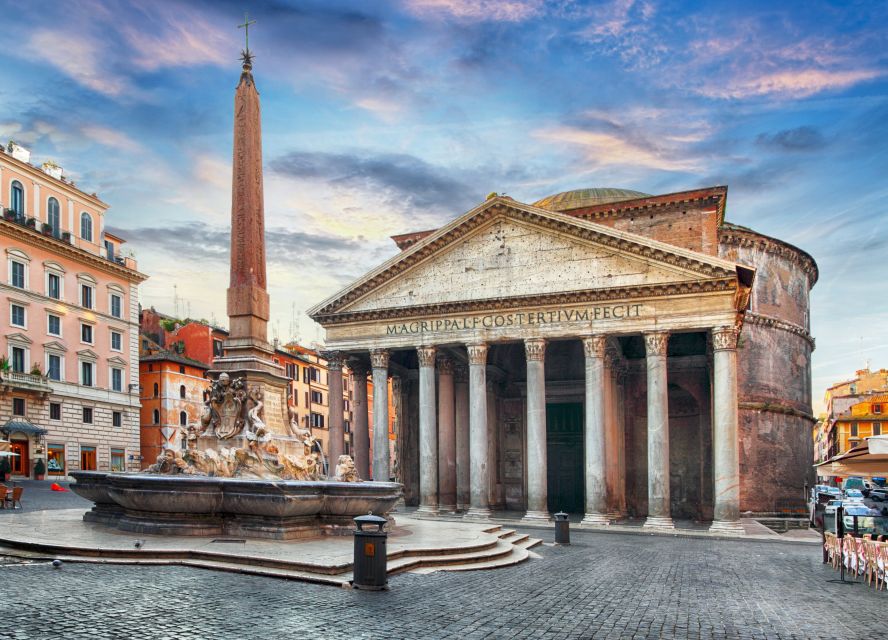
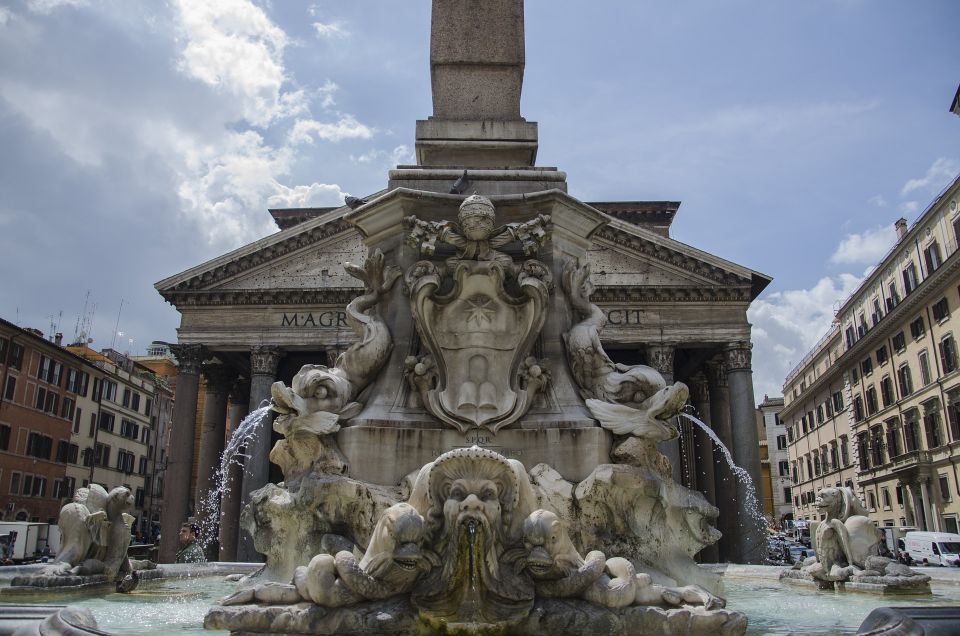
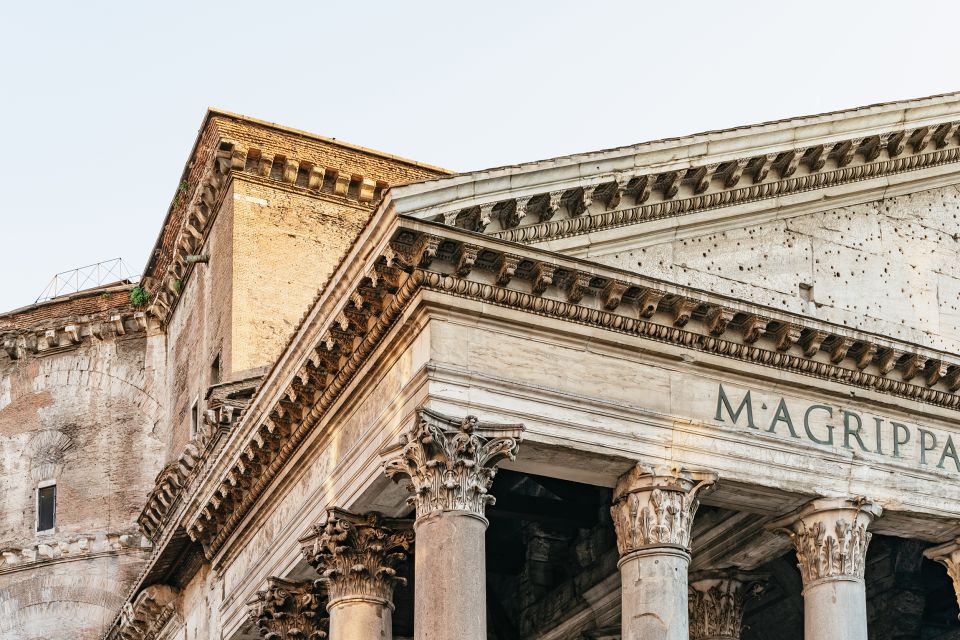
The walk sets you up for one of Rome’s most famous sights: the Pantheon. The tour frames it as the oldest standing pagan temple in the world, and that matters because it helps you see the building as more than a pretty dome. You’ll also hear why the structure is famous: it includes one of the largest man-made domes in the world.
Even if you’ve seen the Pantheon in day photos, night changes the feel. The exterior looks more dramatic under lighting, and the piazza energy slows just enough to let the guide’s explanation land. You’ll likely pass the area and then connect to the next moment in the story—Piazza della Rotonda—where the building sits among fountains and bars.
Practical tip: this is a great stop for photos, but don’t block foot traffic while you pose. Keep your timing tight and let the guide’s narration guide where you stand.
Trevi Fountain time: seeing the most famous money moment in real life
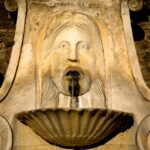
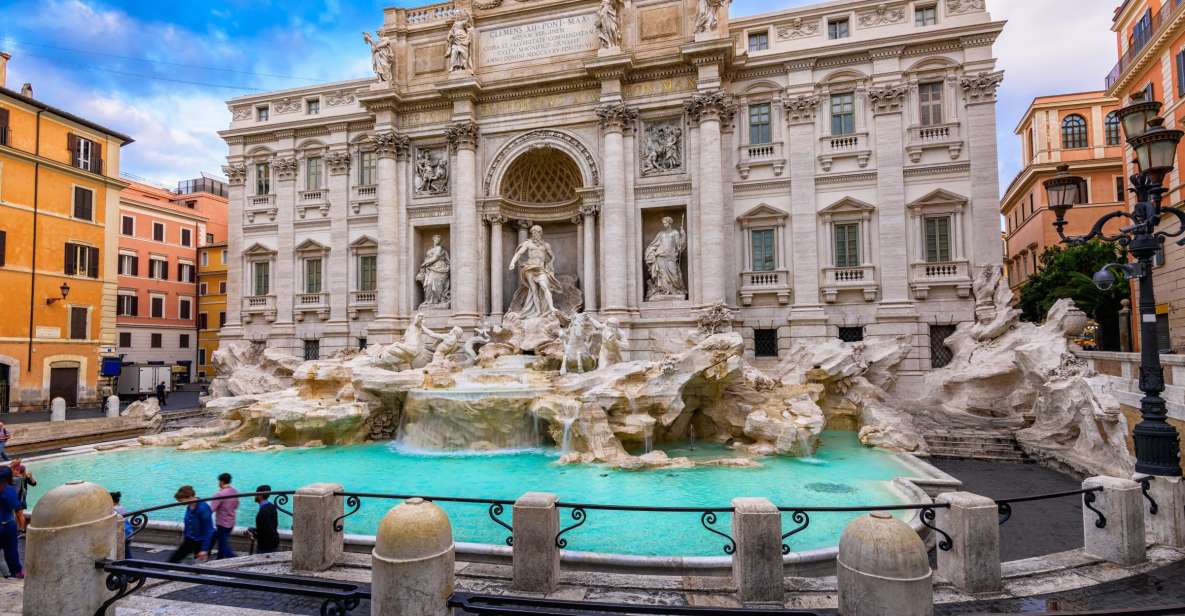
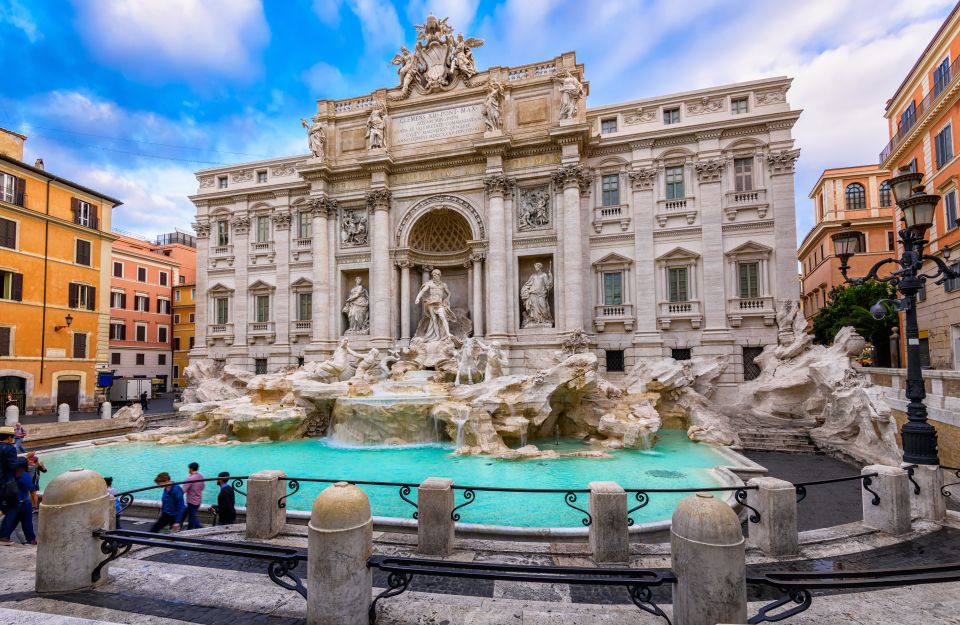
Next comes the Trevi Fountain, described as the world’s highest-earning fountain. That’s a fun hook, but the real value here is context—why this fountain is so central to Rome’s identity, not just a place people sprint to.
You’ll get time to admire it up close and soak in the classic scene: crowded edges, camera phones up, and people doing the ritual. The guide can help you understand what you’re seeing so it doesn’t feel like a theme-park photo. Also, Trevi sits on a busy pedestrian network, so you’ll feel how Rome’s main sights connect into real neighborhood streets.
Piazza della Rotonda: where the Pantheon becomes part of the nightlife scene
After Trevi, you’ll connect to Piazza della Rotonda—the square that puts Hadrian’s Pantheon in the spotlight again. The tour specifically highlights the night setting: you’re surrounded by fountains and bars, so the Pantheon doesn’t feel frozen in time. It feels like a centerpiece of modern Roman evenings, still doing its job of drawing people in.
This stop is especially good if you like history told through atmosphere. Instead of treating the Pantheon as a detached monument, you experience it in the same night rhythm locals use to meet friends, grab a drink, and walk around.
If you’re traveling with kids or teens, this is also a nice moment to keep attention. One guide experience included a playful approach that kept two teens engaged with humor and pacing.
You can also read our reviews of more city tours in Rome


Via del Corso: the “window-shop” stroll that keeps your feet moving
Between the big monuments, the tour gives you a break from the nonstop sightseeing by walking along Via del Corso, one of Italy’s famous shopping streets. The tour points out flagship stores for designer brands such as Valentino, Fendi, and Armani, which turns your walk into a real-time look at Rome’s luxury side.
This is useful because it breaks up the heavy history moments without turning the tour into a shopping pitch. You’ll get a sense of scale and daily street flow—what Rome looks like when people are actually living their routine.
Tip: if you plan to buy something later, don’t decide on the spot. Use this stretch to notice what you like, snap a couple photos of storefronts (if permitted), and keep your energy for the piazzas ahead.
Piazza Navona and Bernini’s Four Rivers Fountain: the best “wow” per step
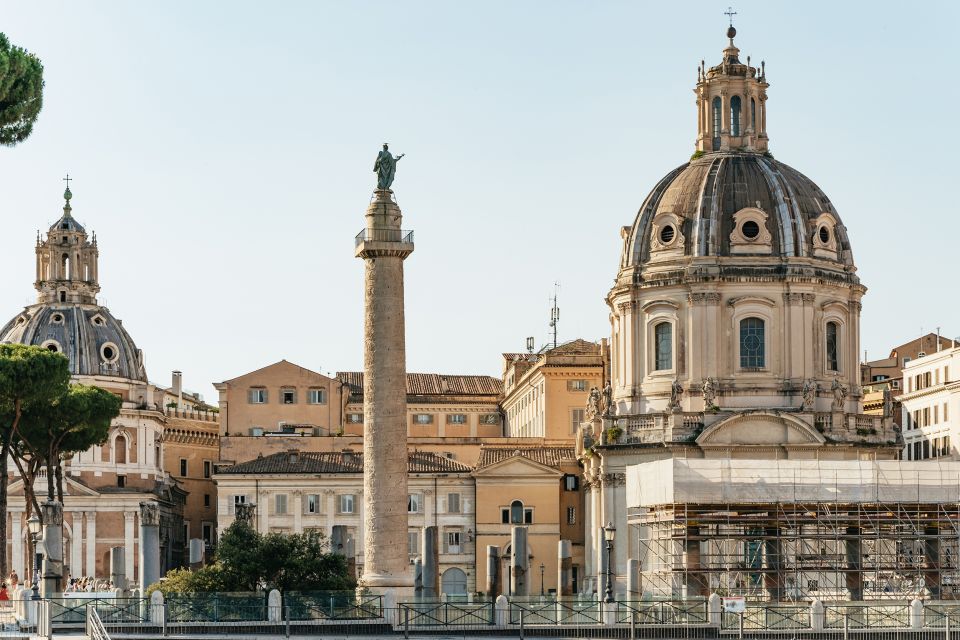
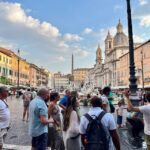
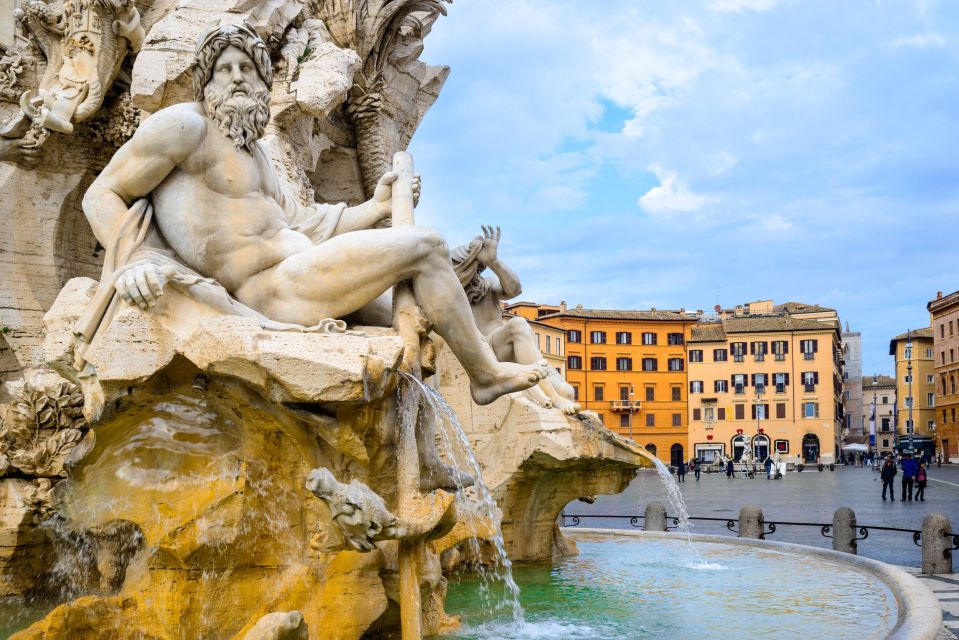
Then comes Piazza Navona, one of the city’s most instantly rewarding squares. Here, the focus is Bernini’s Fountain of the Four Rivers, positioned just in front of Bernini’s original design for St Peter’s church. That framing connects a fountain you might treat like scenery to the larger story of Renaissance art and planning.
This is a standout stop because Piazza Navona has a built-in audience. There’s always motion around you—people lingering, street life happening, and a strong sense of theater. Your guide’s job is to slow you down just enough to notice details you’d otherwise miss: the fountain’s meaning, not just its shape.
Practical photo advice: stand in a way that lets you see the full fountain, not just the closest corner. If the crowd thickens, shift a step or two and wait for a clean view instead of trying to force your way forward.
Campo de’ Fiori at the end: what to do when the tour is over
The tour’s evening arc ends in the lively Campo de’ Fiori area, described as a main hub for bars, nightlife, and food. This works well because you’re finishing where you can immediately keep the night going without needing a taxi or another complicated plan.
If you still have energy, this is the place to browse menus, find a casual drink, and pick a spot that feels local rather than like a pit stop. One guide even walked people toward a more local-feeling dinner area after the tour, which is exactly the kind of helpful next-step you hope for from a good guide.
Also, if you’re thinking, Wait, does it really end there? The activity notes also say it ends back at the meeting point area. Either way, Campo de’ Fiori is still near the central action, so you’re unlikely to end up stranded.
Price and value: is $56.94 for a 2-hour walk a good deal?
At $56.94 per person for a 2-hour guided walk, the value is in three things: time saved, context gained, and route planning handled for you. You’re paying for someone else to stitch together why each stop matters—Pantheon dome fame, Trevi’s cultural pull, Bernini’s Four Rivers meaning—so you don’t spend your evening reading your phone like it’s a second job.
It’s also a smart first-night or first-two-nights option. You’ll come away with bearings. Even if you later revisit for more time on your own, you’ll know what to look for and where to stand.
One more value point: language options include French, Spanish, and German for the live guide. If you need English, you should confirm what’s available for your specific departure.
Language and guide style: why the name matters
The tour is run by a live guide, with languages French, Spanish, and German. On top of that, the experiences you’ll likely remember are the personalities. Names like Sandra, Serena, Paolo, Mattej, Davide, and Arian show up in the guide roster through the tour’s reputation, and the common theme is clear: guides take pride in making sites feel understandable, not just narrated.
You also get little extras depending on the guide and the group flow—espresso or gelato stops were mentioned in some cases, plus photo help and patience with questions. If you like interaction, this type of tour tends to suit you.
Tips that make the tour smoother (and more fun)
A few practical moves can upgrade the whole experience:
- Wear comfortable shoes. Rome’s charm includes uneven stone and cobbles.
- Plan to be early at the meeting point near the Colosseum metro terrace. Late arrivals may miss entrance at check-in.
- Keep your camera ready, but don’t hog space. The squares get crowded quickly.
- Bring a light layer for night walking, especially in shoulder seasons.
- If you’re sensitive to lots of information at once, know this is an active 2-hour run with multiple major sights.
Who this tour suits best
You’ll probably like this tour if you want:
- A high-impact evening with major landmarks in a short window
- A guided story thread that connects architecture to Roman life
- A balance of monuments and street-level Rome, including Via del Corso and Campo de’ Fiori
You might want a different style of tour if you prefer slower pacing with fewer stops, or if you want lots of time to wander independently in one area. This is built for “see the highlights, understand them, keep moving.”
Should you book this Rome City Highlights Walking Tour?
Book it if you want a structured, night-focused way to get oriented quickly—especially if it’s your first time in Rome and you want the Pantheon, Trevi Fountain, and Piazza Navona to make sense rather than just look impressive. The $56.94 price feels reasonable for the combination of major sights plus a live guide who can explain the why behind the wow.
Skip or shop around if you hate tight time limits or you’d rather linger in one piazza without bouncing to the next. And whatever you do, don’t treat the meeting point like a suggestion. Show up early near the Colosseum metro terrace and use that purple Crown Tours flag as your anchor. When you do, you’ll get an efficient, memorable evening walk through Rome’s most photogenic corners.
FAQ
How long is the Rome City Highlights Walking Tour?
The tour lasts about 2 hours. Starting times vary, so you’ll need to check availability for your preferred slot.
Where is the meeting point?
You meet about 100 meters from the Colosseum. Go to the terrace above the Colosseum Metro Station, use the pedestrian bridge to cross above the road, then walk about 50 meters up the street to the Crown Tours office. Look for the purple flag that says Crown Tours.
Do I get hotel pickup or drop-off?
No. Hotel pickup and drop-off are not included.
Which sights are included?
You’ll see the Pantheon area, Trevi Fountain, Piazza della Rotonda, Piazza Navona (including Bernini’s Fountain of the Four Rivers), and you’ll also pass by Via del Corso. The tour finishes in the central Campo de’ Fiori area.
What languages are the live guides available in?
The live tour guide languages listed are French, Spanish, and German.
What’s included in the price?
The tour guide is included.
What is the cancellation policy and is pay later available?
Free cancellation is available up to 24 hours in advance for a full refund, and you can reserve now and pay later to keep your plans flexible.