REVIEW · ROME
Masterclass: Aperol Spritz & Pasta Making Experience in Rome
Book on GetYourGuide →Operated by Master pasta makers srl · Bookable on GetYourGuide
Spritz and pasta in Rome, in three hours. This hands-on class is built around one very satisfying idea: you leave knowing how to make a real Aperol Spritz and fresh pasta from scratch, just a short walk from Piazza Navona.
I like how practical it is, not just watch-and-eat. I also like that it’s taught in English by Master pasta makers srl.
My only caution is the price. At $85.41 per person, it’s a splurge, so if you’re not especially excited about both cocktails and pasta-making, you may feel it’s more money than you need.
In This Review
- Key highlights you’ll feel immediately
- Spritz and pasta near Piazza Navona: what you’re really signing up for
- Restaurant Gusto setup: how the 3-hour class tends to flow
- Real Aperol Spritz: learning the proportions and the technique
- Fresh pasta by hand: fettuccine and maltagliati from scratch
- Sauces and pairing: sugo al pomodoro and basil pesto on your plate
- Bruschetta, wine or non-alcoholic drink, and what comes with your meal
- Tiramisu dessert: the sweet ending that feels properly Italian
- Price and value: is $85.41 per person reasonable?
- Who this class is best for (and who should skip it)
- Tips to get the most out of it
- Should you book the Aperol Spritz & Pasta Making Experience?
- FAQ
- How long is the Masterclass in Rome?
- Where does the class meet?
- What do I make during the class?
- Is the class taught in English?
- What food and drinks are included?
- Is tip included in the price?
- What is the price per person?
- Will I get alcohol if I join?
- Is the activity wheelchair accessible?
- What happens after the class ends?
Key highlights you’ll feel immediately
- Proper Aperol Spritz technique: you learn the cocktail steps, not just the drink name
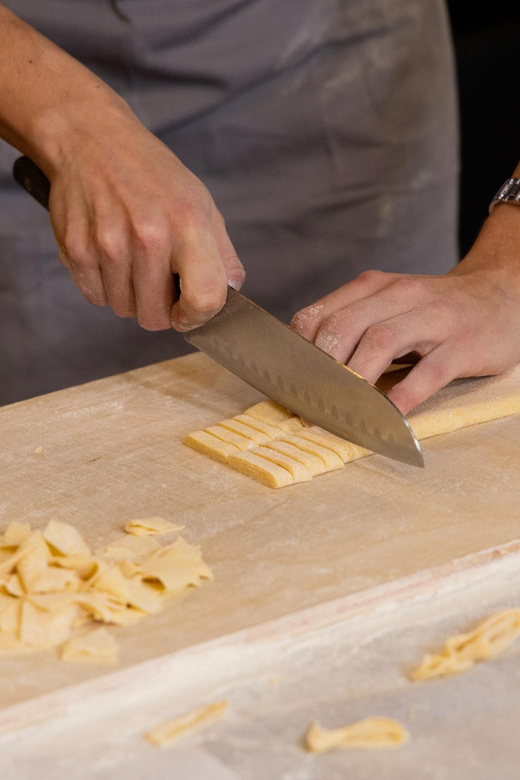
- Fresh fettuccine from dough to plate: roll, cut, and see what changes when it’s truly homemade
- Maltagliati made by hand: that charming irregular shape is part of the lesson
- Two sauce styles: sugo al pomodoro and basil pesto show up with your meal
- Wine, limoncello, or coffee included: the tasting part lasts longer than you expect
- Hands-on finish: you eat what you make, with bruschetta and tiramisu rounding it out
Spritz and pasta near Piazza Navona: what you’re really signing up for
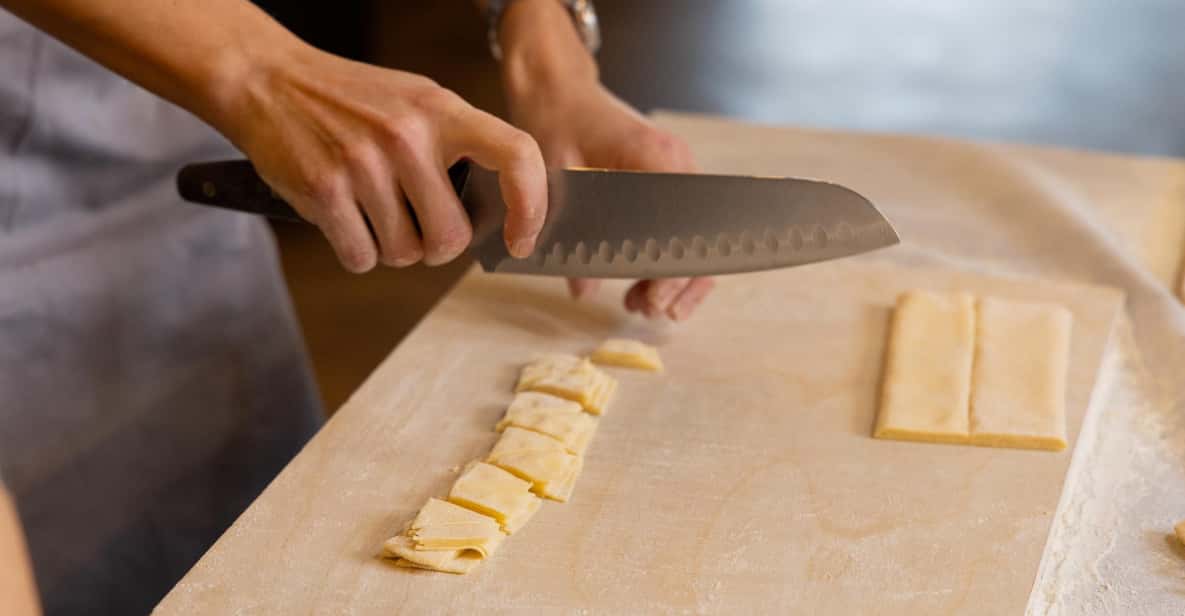
This experience is exactly what it sounds like: a spritz + pasta masterclass in Rome. The real value is that you do the work. You’ll start with the classic Italian spritz process, then move into making fresh pasta shapes, and finally sit down to eat your results.
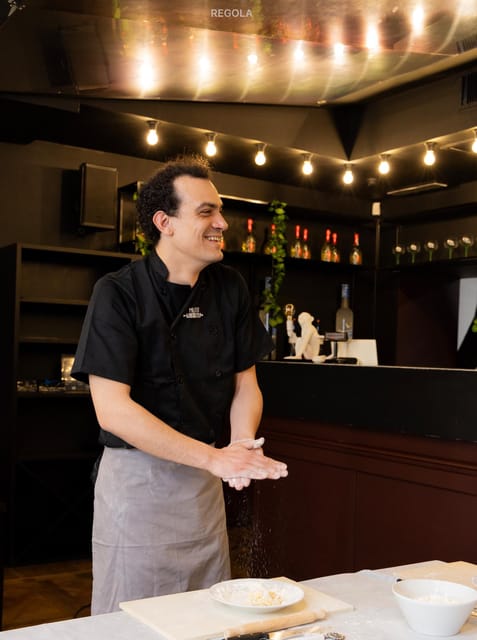
The location helps too. You meet at Via Giuseppe Zanardelli 14, at Restaurant Gusto, and it’s described as being just steps from Piazza Navona. That matters because classes like this can eat up your day if you’re traveling across town. Here, you can pair the class with a very normal sightseeing rhythm: mornings for sights, a focused food afternoon, then dinner wherever you feel like it.
And yes, it’s aimed at non-cooks. You don’t need culinary training. You do need a willingness to get a little flour on your hands and pay attention to a few key techniques.
You can also read our reviews of more cooking classes in Rome

Restaurant Gusto setup: how the 3-hour class tends to flow
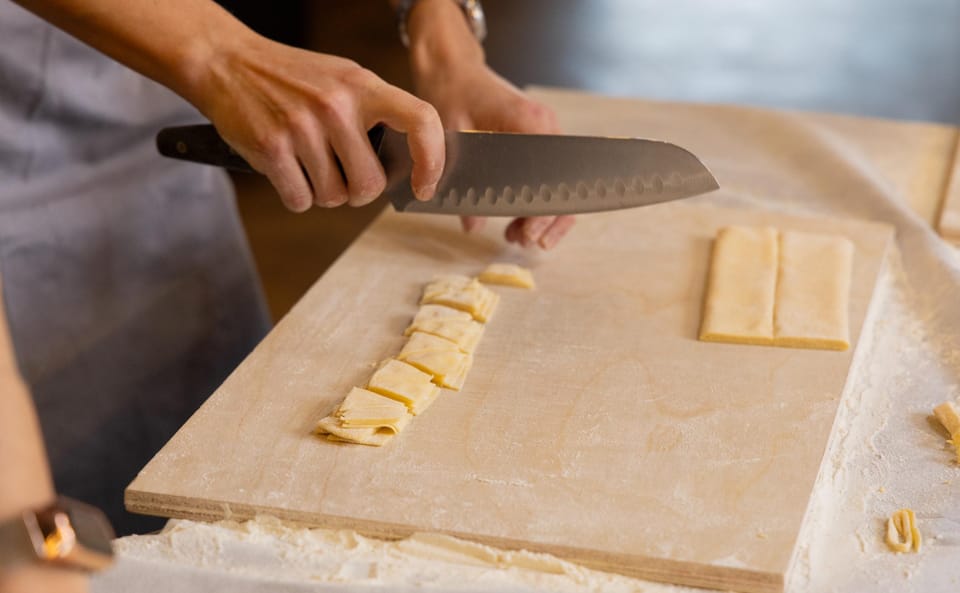
You’re told the duration is 3 hours, and the activity ends back at the meeting point. That round-trip “stay put” format is friendly when you’re sightseeing around central Rome. You won’t have to figure out what you’re doing after the class ends; you’ll already be near where you started.
The class is taught in English and you’ll have local chefs guiding the process. The inclusion list is fairly complete for a short class day: a welcome spritz, bruschetta, pasta dishes (plus both sauces), tiramisu, and drinks including wine (or non-alcoholic), plus limoncello or coffee. This is not a barebones demo.
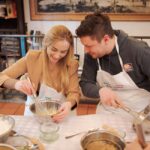
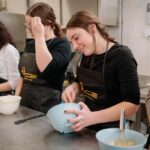
If you’re the type who learns best by doing, this is a strong fit. You’ll be touching dough and prepping cocktails, not just watching someone else.
One more practical note: since alcohol is part of the included drinks (welcome Spritz, wine or non-alcoholic beverage, plus limoncello or coffee), plan your day accordingly. There is a non-alcoholic option for the wine/drink component, so you can keep it lighter if you want, but it’s still a class built around Italian aperitivo culture.
Real Aperol Spritz: learning the proportions and the technique
The experience starts with the welcome drink: Spritz, and then it moves into making your own. That sequence is important. Instead of jumping straight into building cocktails with no context, you’re introduced to the flavor first, then you replicate it.
When I’m judging a spritz class, I look for one thing: do they teach the “why” behind the ingredients and assembly? Here, the focus is described as “master the art of making a true Aperol Spritz,” which usually means getting the balance right and following the correct order of steps (think of it as assembly, not chemistry).
What you’ll likely take home from this part is confidence. You’ll know how to make a classic spritz in a way that actually tastes like the version you’ve been chasing around Rome—bitter, bright, refreshing, with the right feel once it’s mixed and served.
If you’ve ever been disappointed by spritzes that taste too sweet or too flat, this class format is designed to prevent that. You’re not just learning a recipe; you’re learning the standard Italian approach to aperitivo drinks.
Fresh pasta by hand: fettuccine and maltagliati from scratch
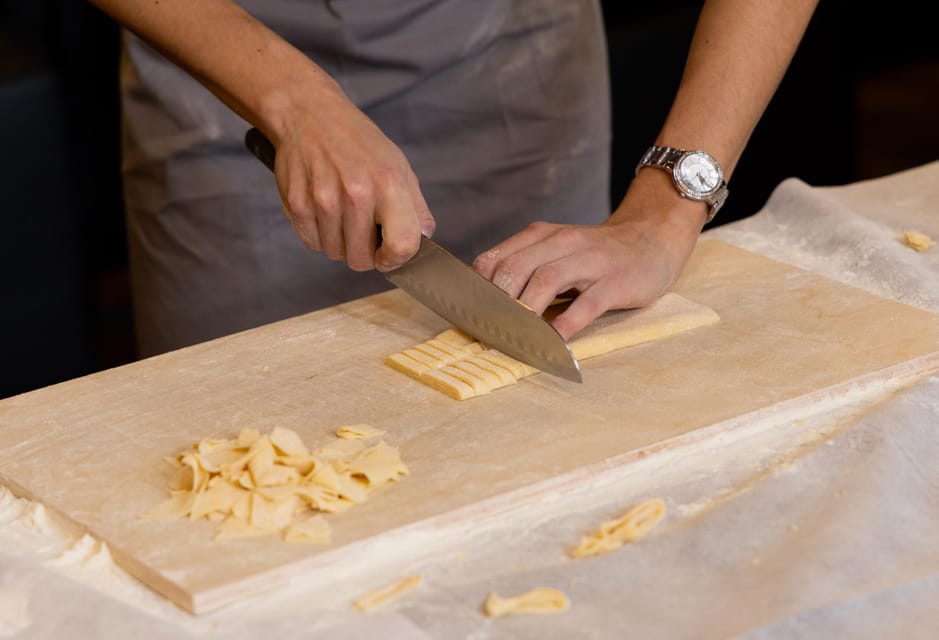
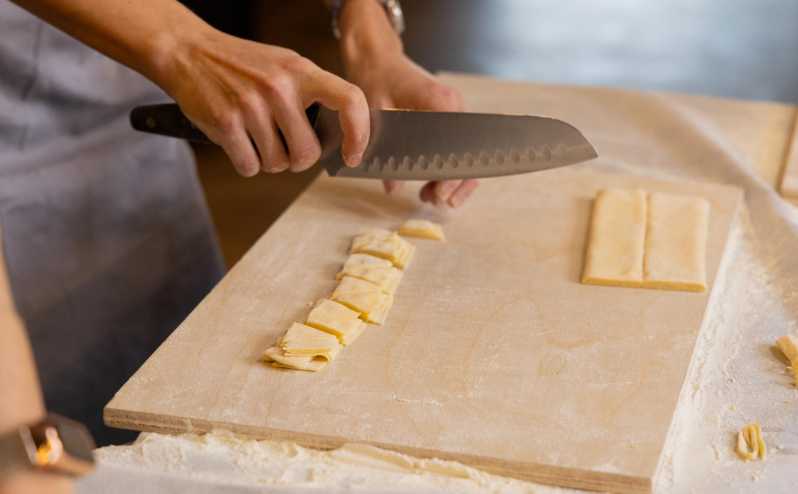
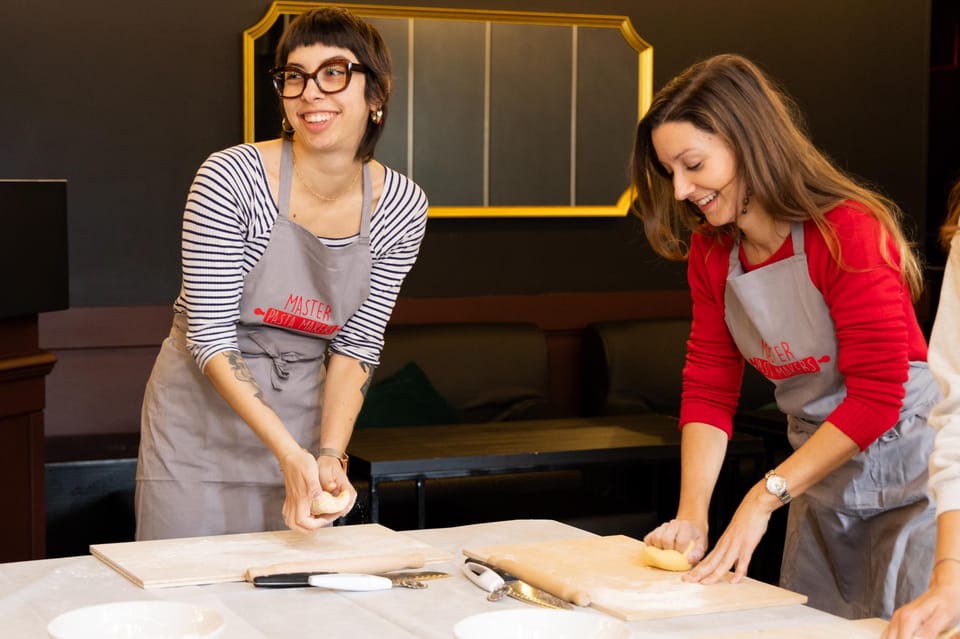
Next comes the pasta work. You’ll create fresh fettuccine and maltagliati from scratch, guided by the chefs. That’s the core of the experience: dough, shaping, and hands-on handling.
Fresh pasta is different from dried pasta in a few noticeable ways. It cooks faster and it has a softer texture, so technique matters. Even if you’ve cooked pasta before, doing it from scratch teaches you the fundamentals: dough feel, how it holds shape, and how rolling/cutting affects the final bite.
Fettuccine is the “smooth, silky” classic. Maltagliati is the charming cousin: irregular pieces that come from cutting/handling dough in a way that produces a more rustic texture. If you’ve been curious about why Italians sometimes prefer imperfect shapes, this lesson makes it real. Maltagliati is often about sauce grip and a more home-kitchen personality.
Two things I especially like about doing both shapes in the same class:
1) You see how different cuts change the eating experience even when you’re working with the same basic pasta dough.
2) It trains your brain to think like an Italian home cook, not like a tourist ordering the pasta they recognize from photos.
And then you get to eat what you make. That’s a big deal. The meal is part of the teaching, not a separate activity.
Sauces and pairing: sugo al pomodoro and basil pesto on your plate
Once the pasta is made, you’ll enjoy it with your included sauces. The class includes maltagliati pasta with basil pesto and fettuccine pasta with sugo al pomodoro. It’s also described as giving you two sauce options, so you’ll get both classic flavors in the meal.
This pairing is useful. It’s not random. Basil pesto is aromatic, green, and rich, which works well with irregular, rustic pasta like maltagliati. Sugo al pomodoro brings acidity and tomato depth, which gives fettuccine a cleaner, more straightforward bite.
Even if you end up preferring one sauce over the other, you’ll walk away with a practical comparison. Next time you’re choosing pasta at an Italian restaurant, you’ll have a better sense of what each sauce is “doing” to the pasta.



Bruschetta, wine or non-alcoholic drink, and what comes with your meal
Before pasta, you’re included a bruschetta course: toasted bread with tomatoes, basil, and oregano. This is a smart warm-up. It gets you into Italian flavor mode without asking you to wait for dessert to feel the class.
You’ll also be served a glass of wine or a non-alcoholic beverage. Then later you’ll have a glass of Limoncello or coffee. That means your meal doesn’t just end when the pasta is gone. It extends, with another drink moment that matches how many Italians pace an aperitivo-style experience: eat, sip, linger.
That “drink arc” is part of the fun. You start with a spritz, then you shift into meal time, then you finish with the bright punch of limoncello or a more mellow coffee close.
And yes, it’s all included: water is part of the plan too. For a class at this length, that completeness is a big part of the value.
Tiramisu dessert: the sweet ending that feels properly Italian
Dessert is tiramisu. That’s a dependable Italian finish, but here’s why it still matters: after hands-on cooking, you’ve built a proper appetite. Tiramisu is also a good “reset” course after alcohol, tomato sauce, and pesto flavors.
If you’re trying to decide whether this class is worth it compared with a typical food tour, this is another point in favor. You’re not just tasting bites—you’re getting a full meal structure with dessert and multiple drink moments.
Price and value: is $85.41 per person reasonable?
Let’s talk value without pretending this isn’t a splurge. $85.41 per person for 3 hours in central Rome is not cheap. But when I look at whether it’s fair, I check three things:
1) Are you doing the work, or just eating?
2) Is food and drink actually included, not just some token samples?
3) Does it save time vs. buying ingredients and doing it yourself?
Here, the class is hands-on. You make both fettuccine and maltagliati, plus you learn the cocktail process for a true Aperol Spritz. That’s the “doing the work” part.
For food and drink, the inclusions are strong: welcome spritz, bruschetta, two pasta preparations with classic sauces, tiramisu, plus wine or a non-alcoholic drink and limoncello or coffee, with water included. That’s far more than most quick tasting experiences in Rome.
Finally, you’re paying for the teaching and setup in a prime location near Piazza Navona. If you’ve tried to arrange a pasta lesson on your own, you know how quickly costs stack up once you add chef instruction, ingredients, and a place to cook.
So my take is simple: it’s worth it if you want a structured, guided day that teaches skills you can repeat at home. If you only care about eating pasta and drinking a spritz, you may find cheaper options—but they won’t teach you how to make the real versions.
Who this class is best for (and who should skip it)
This is best for:
- Food and cocktail lovers who like learning by doing
- People visiting Rome with limited time who still want something active and memorable
- Travelers who enjoy the Italian aperitivo rhythm: spritz first, then a meal, then a finishing sip
It may not be ideal if:
- You’re not interested in cocktails at all and you mainly want pasta
- You have a tight schedule and don’t want to commit to an alcohol-centered flow (even with non-alcoholic choices included)
Tips to get the most out of it
A few practical moves make a difference.
First, arrive ready to work. This is not a sit-and-smile class. Wear clothes you’re comfortable getting a little dough dust on.
Second, don’t try to “speed run” the day. You’ve got 3 hours of focused cooking and drinks. If you schedule three other big activities right before, you’ll feel rushed.
Third, pay attention to the spritz process. The best classes make you repeat a couple steps so you can reproduce the flavor later. Even if you don’t remember every detail, you’ll remember the balance.
Finally, treat the meal as part of learning. When you take bites of your own fettuccine or maltagliati, notice how the sauce interacts with the pasta shape. That kind of “taste feedback” helps you understand Italian technique in a way that photos can’t.
Should you book the Aperol Spritz & Pasta Making Experience?
I’d book it if you want an organized, hands-on Roman afternoon where you go home with two practical skills: fresh pasta-making and making a true Aperol Spritz. The included food and drinks are substantial for a 3-hour format, and the class is taught in English, which makes it easier to stay engaged.
It’s also a strong choice if you want something more satisfying than a standard tasting. Here, you’re not just trying flavors—you’re producing them.
Before you click confirm, think about your priorities. If you’re excited to cook and mix, the value clicks. If you mainly want to eat and drink without learning the process, you might prefer a less structured option.
FAQ
How long is the Masterclass in Rome?
The experience lasts 3 hours.
Where does the class meet?
You start at Via Giuseppe Zanardelli 14, Restaurant Gusto.
What do I make during the class?
You’ll make fresh fettuccine and maltagliati from scratch, and you’ll learn to prepare an Aperol Spritz.
Is the class taught in English?
Yes, the instructor teaches in English.
What food and drinks are included?
Included items are a welcome Spritz, bruschetta, maltagliati with basil pesto, fettuccine with sugo al pomodoro, tiramisu, a glass of wine or non-alcoholic beverage, plus Limoncello or coffee, and water.
Is tip included in the price?
No. Tip or gratuity is not included.
What is the price per person?
The price is listed as $85.41 per person.
Will I get alcohol if I join?
A Spritz and a glass of wine are included, along with Limoncello or coffee. A non-alcoholic beverage option is included as well.
Is the activity wheelchair accessible?
Yes, the activity is listed as wheelchair accessible.
What happens after the class ends?
The activity ends back at the meeting point.