REVIEW · ROME
Rome: Murder Mysteries of Rome Guided Walking Tour
Book on GetYourGuide →Operated by Carpe Diem Tours · Bookable on GetYourGuide
A moonlit murder walk turns Rome sideways. You start in Campo de’ Fiori and follow a local guide through central streets as night falls, where the famous landmarks come with grim stories instead of postcard captions. I love the small-group size (max 20) because you can actually hear details and ask questions, and I love how the route ties together recognizable Rome with darker, lesser-seen corners like Via Giulia and the river bridges.
One thing to consider: this tour does not pull punches. You’ll hear gruesome execution and murder tales, and you may even visit a church stop known for a chapel decorated with human bones, so it’s not the best fit if you want your evening light and easy.
In This Review
- Key highlights I’d target on this Rome murder mystery walk
- Why a moonlit murder mystery works so well in Rome
- The route: from Campo de’ Fiori to the river and back again
- Stop 1: Meet at Magia a Campo de’ Fiori (yellow flag by Giordano Bruno)
- Stop 2: Piazza Farnese
- Stop 3: Via del Mascherone & Vicolo dei Venti
- Stop 4: Ponte Sisto
- Stop 5: Fountain of the Mask
- Stop 6: Chiesa di Santa Maria dell’Orazione e morte
- Stop 7: Via di Monserrato
- Stop 8: Santa Maria in Monserrato degli Spagnoli
- Stop 9: Via Giulia
- Stop 10: Via dell’Arco dei Banchi
- Finish: Castel Sant’Angelo area, then back toward your start
- What you’re really paying for: stories, access, and pacing
- Guides and storytelling styles: what the best nights feel like
- Practical stuff that makes or breaks the night
- Price and Logistics: $28 is the easy part
- Who should book this Rome haunted walking tour
- Should you book it?
- FAQ
- How much does the Rome Murder Mysteries of Rome Guided Walking Tour cost?
- How long is the tour?
- Where do I meet the guide?
- How big is the group?
- Is the tour in English?
- What should I wear or bring?
Key highlights I’d target on this Rome murder mystery walk
- Yellow-flag meet-up at Campo de’ Fiori near the Giordano Bruno statue
- Nighttime pacing that helps you see sights without the worst daytime crush
- A tight route that strings together major stops like Ponte Sisto and Via Giulia
- A church with human bones that matches the tour’s spooky theme
- Audio support mentioned in reviews (radio/Bluetooth-style transmitters can help in noisy spots)
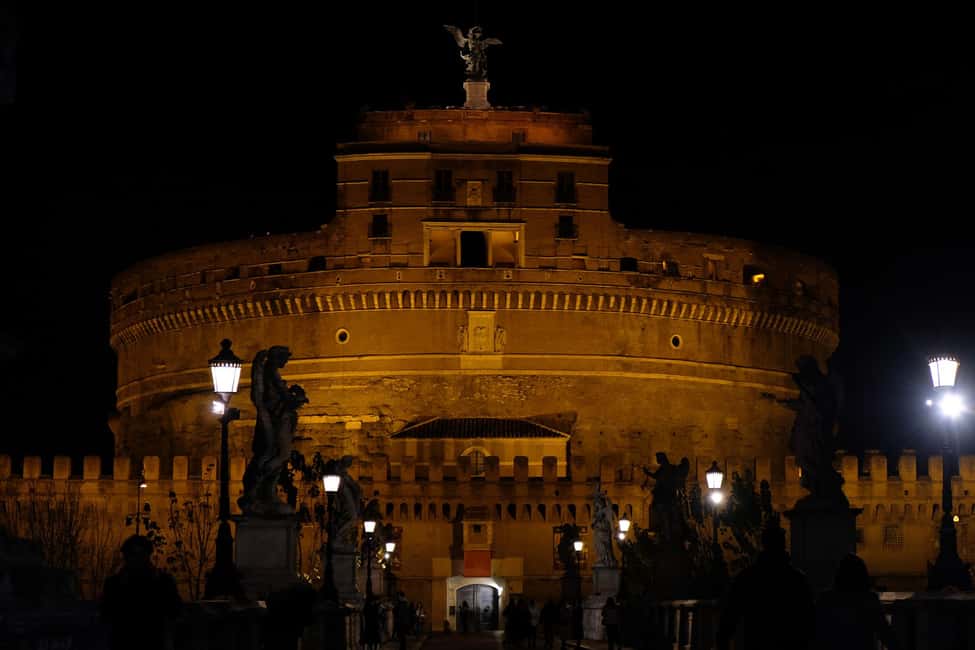
- Finish near Castel Sant’Angelo, with the walk ending back at your start area
Why a moonlit murder mystery works so well in Rome
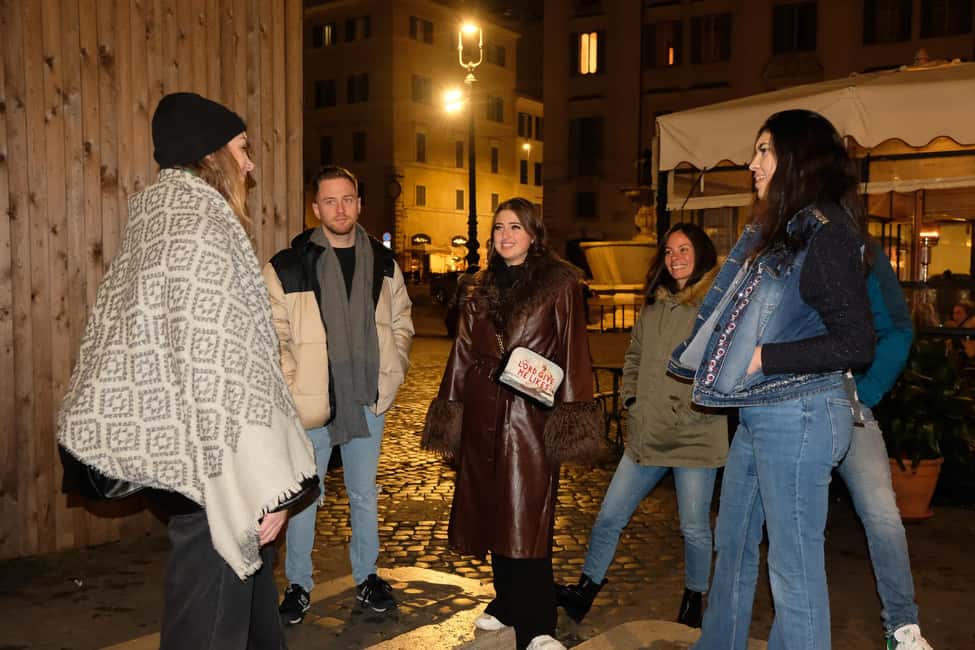
Rome at night does something daylight tours don’t: it changes the texture of the city. The streets feel narrower. Shadows get longer. Even normal stone steps can look like stage props. This tour leans into that shift on purpose, using moonlit storytelling and a compact walking route that keeps things moving.
The big win is that you’re not just “hearing spooky facts.” You’re seeing how certain places got their names and reputations because of what happened there—or what people said happened there. That’s why it pairs well with classic Rome anchors like Piazza Farnese, Via Giulia, and Castel Sant’Angelo. You end up with a second map in your head: the Rome of architecture and the Rome of crime stories.
And yes, the tour is designed to keep you comfortable. It runs for about 2 hours, in English, and the group is capped at 20 people max. Reviews also point to the practical value of audio transmitters or Bluetooth-style radios in louder areas, which is a big deal on a walking tour.
You can also read our reviews of more walking tours in Rome
The route: from Campo de’ Fiori to the river and back again
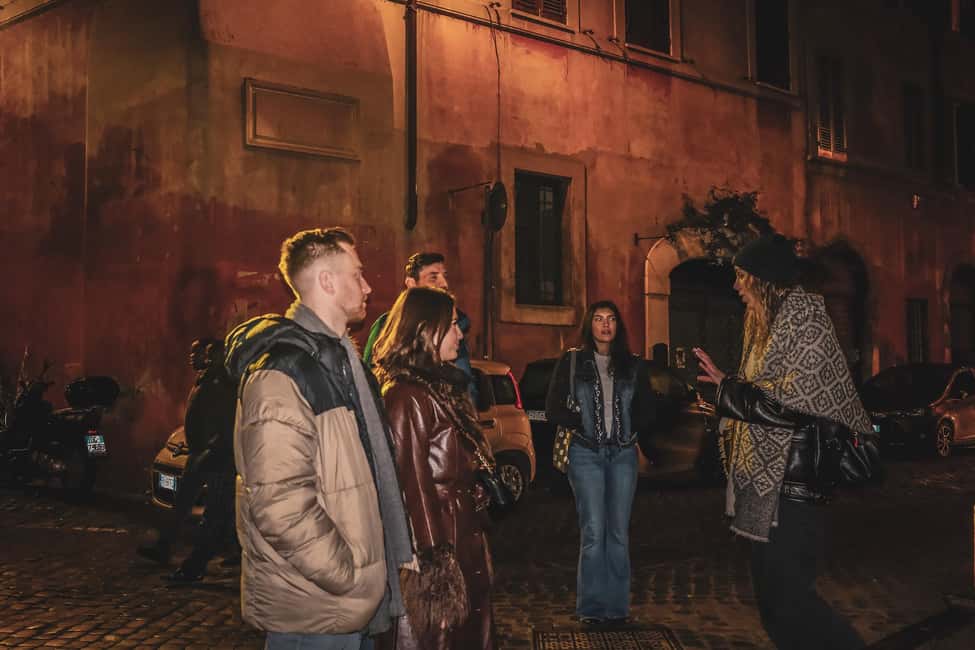
This walk is centered on central Rome, with a start at Campo de’ Fiori and stops that feel like a trail of clues. Expect short guided stretches—often around 10 minutes at each highlight—so you’re not stuck listening in one place too long.
Here’s how the pacing plays out, stop by stop, and what each place adds.
Stop 1: Meet at Magia a Campo de’ Fiori (yellow flag by Giordano Bruno)
You meet in the middle of Campo de’ Fiori, where the guide holds a yellow flag in front of the Monumento a Giordano Bruno statue. This is a smart choice: it’s easy to find, and you’re starting in a lively square that also helps you “switch modes” fast. One moment you’re in normal Rome street life. The next, you’re in the tour’s darker register.
Practical tip: do a quick glance around before you arrive at the statue. If you’re early, you’ll have time to orient yourself so you don’t feel rushed when the group forms.
Stop 2: Piazza Farnese
Piazza Farnese is one of those places where daylight tours tend to stay on the surface. This tour uses it differently. You get context—how the area fits into Rome’s social and political power lines—then you move on before the story fades.
What you gain here is contrast. It’s a famous setting, but you’re hearing it as part of the same city that later produces crime legends and grim public punishments.
Stop 3: Via del Mascherone & Vicolo dei Venti
This is where the walking matters. Narrow streets like this make the stories feel more personal, less like a lecture. You’ll feel the shift from broad squares into tighter lanes, where an old building and a street turn can make the imagination do work.
Potential drawback: this is also where you may feel the night air more. If you’re sensitive to cold or wind, wear layers.
You can also read our reviews of more guided tours in Rome

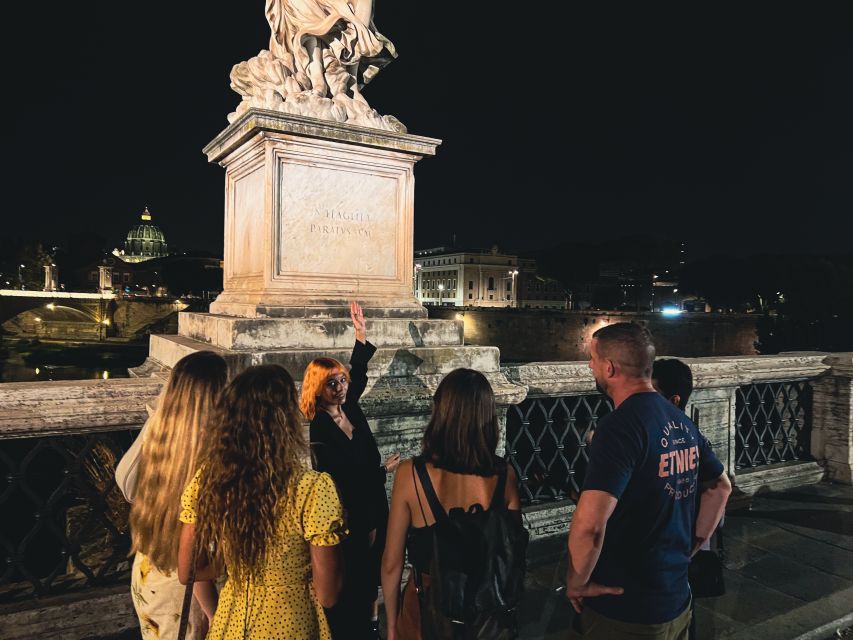
Stop 4: Ponte Sisto
You reach the river zone and then the mood sharpens. Bridges in Rome carry meaning, and this stop is built to connect the story theme to what you can actually see and imagine around the Tiber.
If you’re the type who likes visual anchors, this is a good one. You’re not only hearing about dark events—you’re standing at a natural “framing point” where the city looks cinematic.
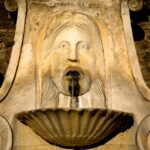
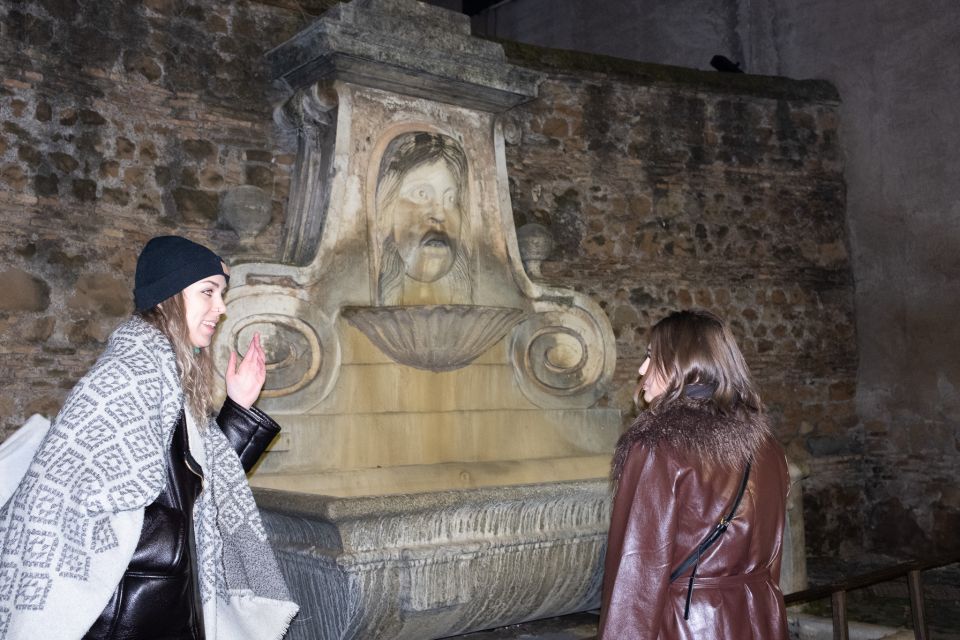
Stop 5: Fountain of the Mask
After a heavier stop, this one works as a tonal reset. It’s a shorter segment, and it gives you a clear target for your camera eyes, even if the story tone stays eerie.
In practice: use this as a chance to reset your listening. If you’ve been concentrating hard, this break helps you stay engaged rather than mentally fatigue.
Stop 6: Chiesa di Santa Maria dell’Orazione e morte
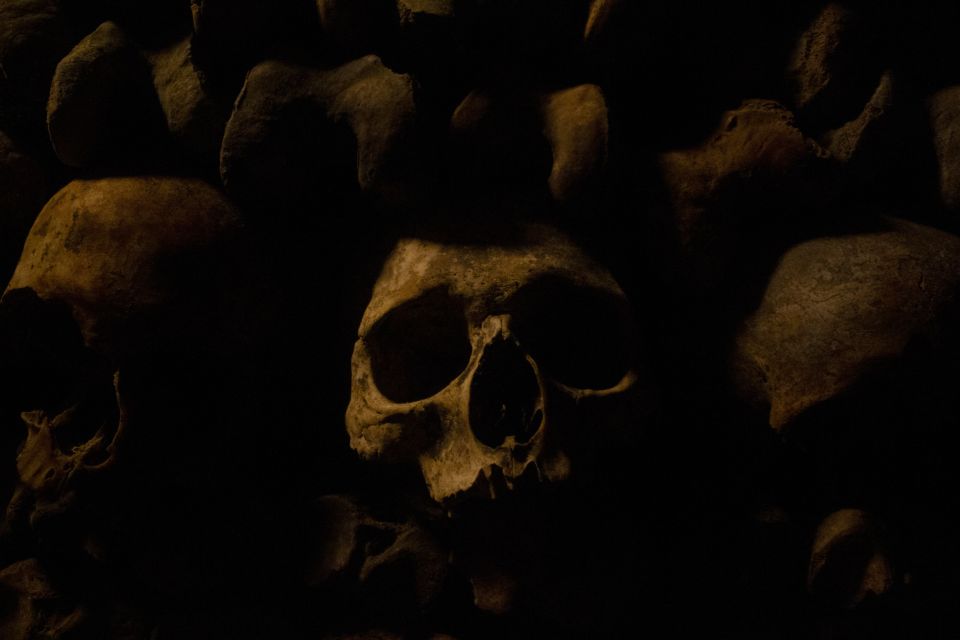
This is the stop the tour theme circles for a reason. Reviews and descriptions highlight a chapel decorated with human bones, and that’s the kind of detail you don’t forget.
Two things to know going in:
- You may find it intense. This is not a “cute ghost story” stop.
- Indoor listening can be tricky in any crowded church setting, which is why audio tools (radio/Bluetooth-style transmitters mentioned in reviews) can help.
Also, you should expect some time for the guide’s explanation, not just a quick glance. It’s part of how the tour turns the setting into evidence, not just scenery.
Stop 7: Via di Monserrato
Back outside, the tour keeps rolling. Streets like Via di Monserrato help the story breathe between big landmarks. You’re seeing how Rome links neighborhoods—less “museum stop,” more “lived-in city” route.
This section tends to feel best if you enjoy the in-between moments: doorways, street corners, and the sense that Rome was always moving and always changing.
Stop 8: Santa Maria in Monserrato degli Spagnoli
This church stop adds another layer. The guide connects the setting to the tour’s darker narrative thread, so even if you’ve seen plenty of Roman churches, this one gets treated as part of the plot rather than a standalone artwork.
If you like architecture, you’ll likely enjoy it more than average, because the story gives you reasons to look closely.
Stop 9: Via Giulia
Via Giulia is a major Roman street, and it plays well with the tour’s structure. It’s straight enough that your sense of direction clicks, and it’s important enough that you can feel how central this area has always been.
Value here: you’re not only collecting spooky moments. You’re building a practical mental map of where power, people, and public life flowed.
Stop 10: Via dell’Arco dei Banchi
This stop leans into Rome’s layered details—arches and angles that you’d miss if you were speeding for photos. The guide’s storytelling turns these street shapes into cues, like the city is giving evidence in plain sight.
If you like “spot the clue” energy, this is one of the more satisfying segments.
Finish: Castel Sant’Angelo area, then back toward your start
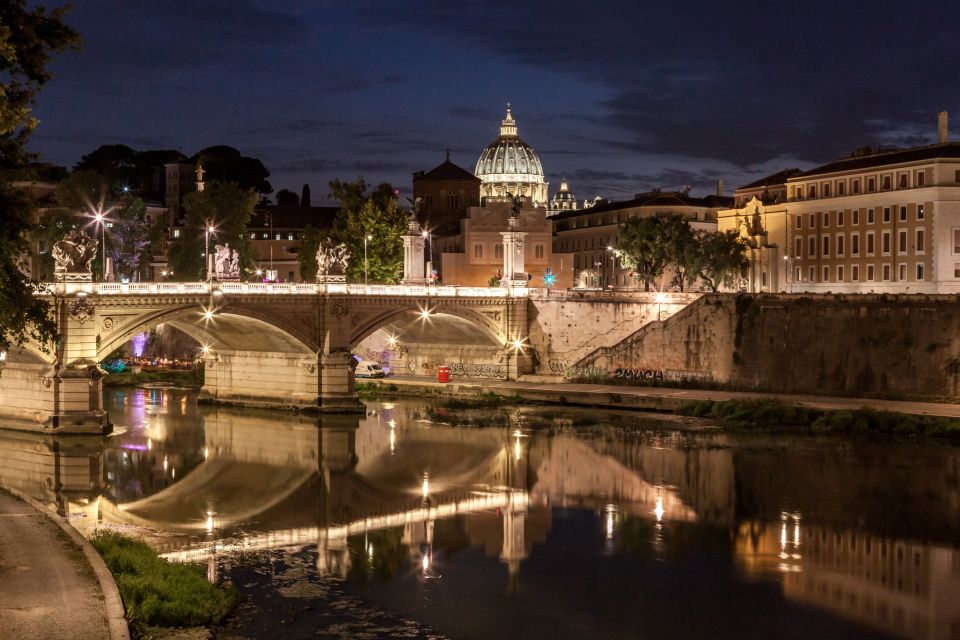
You end near Castel Sant’Angelo (and the experience is listed as returning you to your meeting point at Campo de’ Fiori). Either way, the end of the walk is timed so you’re near one of Rome’s most recognizable silhouettes.
Why it matters: finishing with a major landmark gives your night story a visual capstone. You’re not wandering off into nowhere; you’re getting closure with one last big Rome image.
What you’re really paying for: stories, access, and pacing
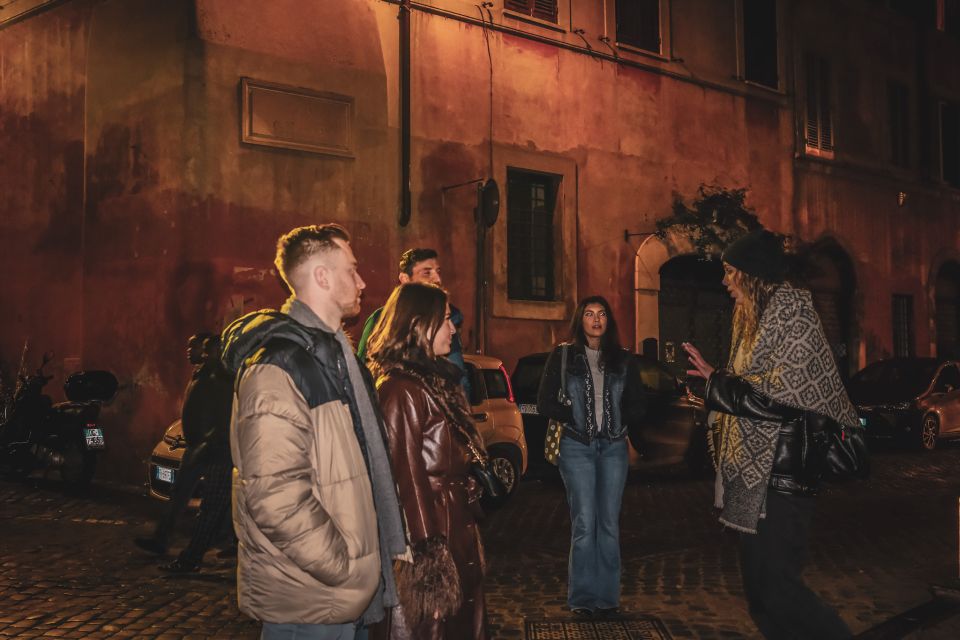
At $28 per person for about 2 hours, this is one of those prices that feels small until you think about what you get: a focused route, a live local guide, and skip-the-line access through a separate entrance at one of the stops.
Here’s the value logic I use:
- Time value: Two hours is long enough to feel like a real experience, but short enough that it doesn’t drain your whole night.
- Guide value: The best part isn’t facts alone—it’s how the guide connects locations. Reviews repeatedly highlight strong storytelling and good pacing.
- Access value: Skip-the-line isn’t just convenience. It’s also how you avoid wasting prime “night energy” waiting around.
- Group value: With 20 people max, you get a better chance to hear the guide clearly and stay connected to the story.
If you’re planning Rome around big-ticket sights, consider this your “different lens” night. It won’t replace museums. It gives you something you can’t screenshot in the same way: the sense that Rome’s stones have motives.
Guides and storytelling styles: what the best nights feel like
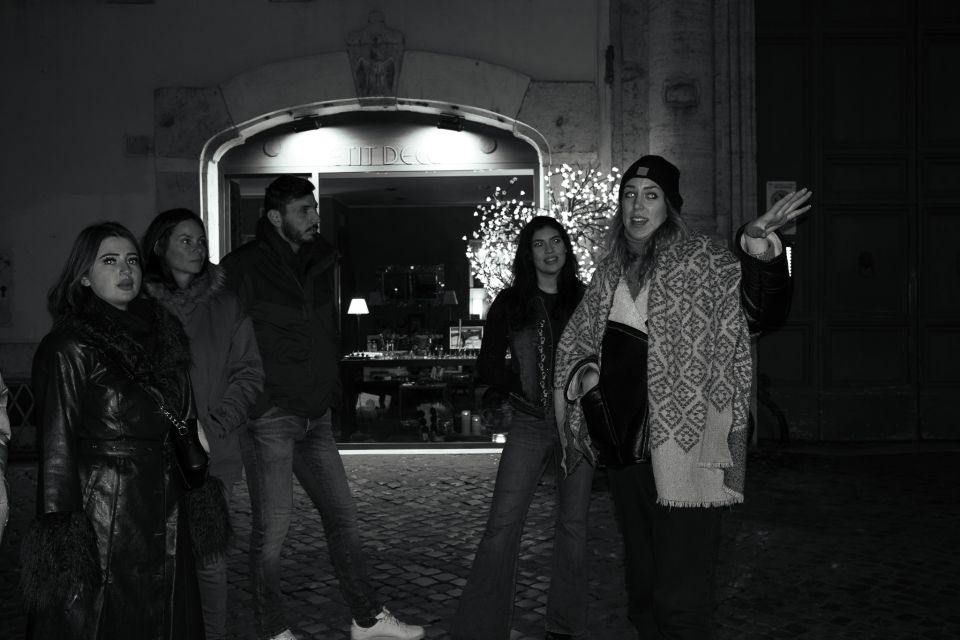
You’ll have a live English guide, and you might get one of the names that have stood out in real-world experiences—Darina, Domenica, Kat, Maham, Csenge, Paula, Delilah, Dalila, or Ivana.
The common thread across those guide reports is delivery:
- Darina is praised for paying close attention to the audience and making it easy to follow.
- Domenica is noted for being engaging and for strong organization in the way stories link to places.
- Kat is described with a dramatic flair that can make streetlight flickers feel like part of the show.
- Maham is highlighted for lots of information delivered clearly.
- Csenge and Paula are praised for friendliness and for pointing out details people might otherwise miss.
- Delilah gets praise for pacing and for balancing horror with humor.
- Ivana is also mentioned for giving restaurant and gelato recommendations, which is genuinely useful after a night walk.
One practical takeaway: if the group includes lots of chatter or if you’re in a noisy pocket, that audio option (radio/Bluetooth transmitters mentioned in reviews) can make the difference between loving the tour and feeling like you’re half guessing.
Practical stuff that makes or breaks the night

This is a walking tour. That sounds obvious, but it’s worth saying clearly: your feet matter.
- Bring comfortable shoes and comfortable clothes.
- Expect it to run rain or shine.
- Plan for the fact that you’ll be outside in the dark for the full 2 hours.
- The tour is in English and uses a live guide format, with a group cap of 20.
If you’re the kind of person who hates being cold, dress like you’ll be standing still at least a few minutes at each stop. These tours have moments where you’ll listen closely and look around, not just walk.
Price and Logistics: $28 is the easy part
The easy number is $28. The harder question is whether it’s a good fit for your style.
This tour is best value if you like:
- true crime energy that’s grounded in real places
- stories that connect street names and landmarks to darker events
- a night walk with a small group rather than a big crowd experience
It may feel like a splurge if you:
- want only art/ruins and don’t care about grim storytelling
- dislike bone-and-execution themed content
- prefer quiet, low-stimulation walks
Also, because there’s a skip-the-line component, you’ll usually feel less “stuck in logistics” and more “inside the experience.” That’s where the price starts to look fair.
Who should book this Rome haunted walking tour
I’d point you toward this tour if you want an evening that’s different from the usual Rome formula. If you’re curious about why certain places carry reputations—or you love the mix of history and horror—this is a strong choice.
It’s also a good fit if you’re traveling with friends who like stories more than lectures. The route is compact and the stop structure keeps energy up. You’ll see a chunk of central Rome you can later revisit in daylight with a new lens.
Who might skip it: anyone who finds execution stories and the human-bones chapel stop too heavy for an evening out.
Should you book it?
Yes, if you want a night in Rome that feels like a plot you can walk through. The combination of small-group pacing, a live English guide, and that bone-decorated chapel stop makes it memorable in a way standard “sightseeing at night” doesn’t.
Book it if your ideal Rome includes:
- Campo de’ Fiori start energy
- a route that hits Ponte Sisto and Via Giulia
- an ending near Castel Sant’Angelo that gives the whole story a visual wrap-up
Skip it if you’re easily unsettled by dark themes. And if you care about hearing every word, dress warmly, bring your best patience for night streets, and take advantage of the audio gear if it’s offered.
FAQ
How much does the Rome Murder Mysteries of Rome Guided Walking Tour cost?
The price is $28 per person.
How long is the tour?
The tour lasts about 2 hours.
Where do I meet the guide?
Meet in the middle of Campo de’ Fiori square. The guide will be holding a yellow flag in front of the Monumento a Giordano Bruno statue.
How big is the group?
The group is small, with a maximum of 20 people.
Is the tour in English?
Yes, the live tour guide speaks English.
What should I wear or bring?
Wear comfortable shoes and comfortable clothes. The tour takes place rain or shine.