Rome is more than postcards. This 2.5-hour walk is built around stories of power, faith, and family drama, with off-limits stops and the kind of commentary you don’t get from a basic sight list. When I picture this tour, I think of guides like Iris and Jacopo, turning landmarks into plot points instead of background noise.
I love two things most. First, you get both famous stops like Trevi Fountain and the Pantheon, plus lesser-seen corners that help you understand how Rome grew and ruled itself. Second, the guide style is practical and human: you can ask questions and hear the explanation face-to-face, which makes Rome feel like a conversation instead of a lecture.
One thing to consider: this is not a quiet, polite history class. The tour leans into dark humor and politically incorrect jokes, and the walking route moves through busy central streets, so it’s best if you’re comfortable with crowds and street-level energy.
In This Review
- Key things I’d circle before booking
- Starting at Trajan’s Forum: where the tour’s power story begins
- Trajan’s Column and Piazza Venezia: fast stops that pay off
- The secret stop and the monastery stretch: where the tour turns from famous to meaningful
- Trevi Fountain break: the right mix of guided context and free time
- Church of Sant’Ignazio di Loyola and the Pantheon: art with a reason
- Piazza Navona finish: a classic ending with a twist
- What makes this tour a good value (especially with tips)
- Who this tour suits best
- Tips for getting the most out of it
- Should you book this Rome alternative walking tour?
- FAQ
- How long is the walking tour?
- Where does the tour start and where does it end?
- Is this tour tip-based?
- What languages are offered?
- What major sights are included?
- What’s included besides the walking tour?
- What are the booking and cancellation basics?
Key things I’d circle before booking
- Pay-What-You-Want tips: you book for a low base price and the guide earns from what you give at the end (often 10€ to 50$).
- Families and dynasties focus: the route connects monuments to the people who used them as power tools.
- Off-the-map access moments: the tour highlights off-limits locations and includes admission to Papal private gardens.
- A guide you can actually talk to: reviews mention no headphone barrier and an open, question-friendly pace.
- A route that mixes eras: ancient ruins, Renaissance churches, Baroque fountains, and Egyptian obelisks get linked into one story.
Starting at Trajan’s Forum: where the tour’s power story begins
The meeting point is right by the Trajan Column area, at Chiesa del Santissimo Nome di Maria al Foro Traiano. It’s a smart start because you’re already surrounded by the “Roman method” of building: propaganda in stone, politics in architecture, and history that still shapes the streets you walk today.
Before you even hit the big names, your guide frames the whole experience around who held power and how they kept it. That means you’re not just looking at buildings. You’re learning how Rome used public spaces to tell people what to believe, who to fear, and what to admire. Guides such as Iris and Simone (from reviews) stand out here because they mix facts with humor without turning the story into a stand-up set.
If you like history that has characters, conflict, and consequences, this opening sets the tone. If you want only clean, chronological dates, you might find the storytelling approach more personality-driven than textbook-driven.
You can also read our reviews of more walking tours in Rome

Trajan’s Column and Piazza Venezia: fast stops that pay off
The first major landmark stop is Trajan’s Column. Even when you only have a short window, the guide’s job is to give you a mental map: what the column is doing, why it matters, and how Rome liked to memorialize victories in a way that would last longer than a single lifetime.
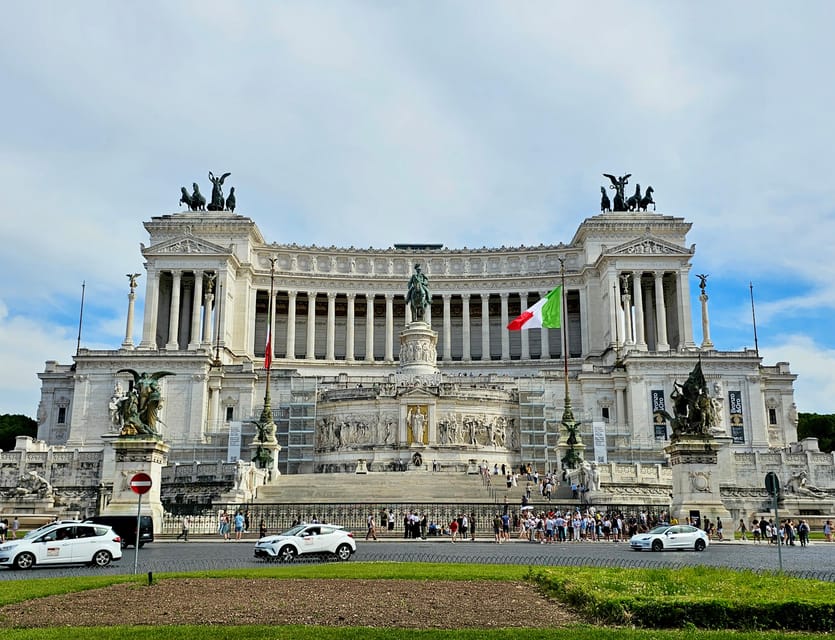
Then you move toward Piazza Venezia for a quick photo-and-sight segment. This is the kind of moment that works even if you’re tired from jet lag, because the guide helps you spot what you’d otherwise miss. Rome’s centers can feel like a blur of crowds and monuments, so short, guided orientation stops can be genuinely useful.
One practical plus: the pacing is designed so you keep moving, but you’re not rushed through everything. Reviews mention a comfortable pace, and one person noted they even had a tour with just their guide and no other participants, which suggests a setup that can feel personal when group sizes are small.
The secret stop and the monastery stretch: where the tour turns from famous to meaningful
Between the bigger set pieces, you’ll hit a “secret stop.” It’s listed as brief, but these are the moments that usually make the difference between a standard highlights tour and an alternative one. The tour is specifically described as offering hidden, off-limits locations you don’t get on the usual walking routes, and that promise is backed up by review-style praise for lesser-seen places and special access.
Right after that, you reach a monastery stop that lasts about 25 minutes. This is where the tour’s theme of layers really clicks. Rome isn’t just ancient ruins with a church façade added later; it’s a city where new rulers, new faith, and new art reused the same spaces and signals. Monasteries and church complexes often feel like detours, but in this format they’re the plot twist: you start noticing how religion and politics worked together, and why Rome has so many churches.
Also, you get included admission to Papal private gardens during the experience. The exact moment isn’t explained in the provided details, but the key for you is simple: you’re not only hearing about power. You’re stepping into a setting tied to it.
If you’re the type of traveler who gets restless when a tour keeps “just pointing,” pay attention here. Reviews highlight that guides answered questions and tailored branches based on what the group wanted to know, which is exactly what you want during these less familiar stops.
Trevi Fountain break: the right mix of guided context and free time
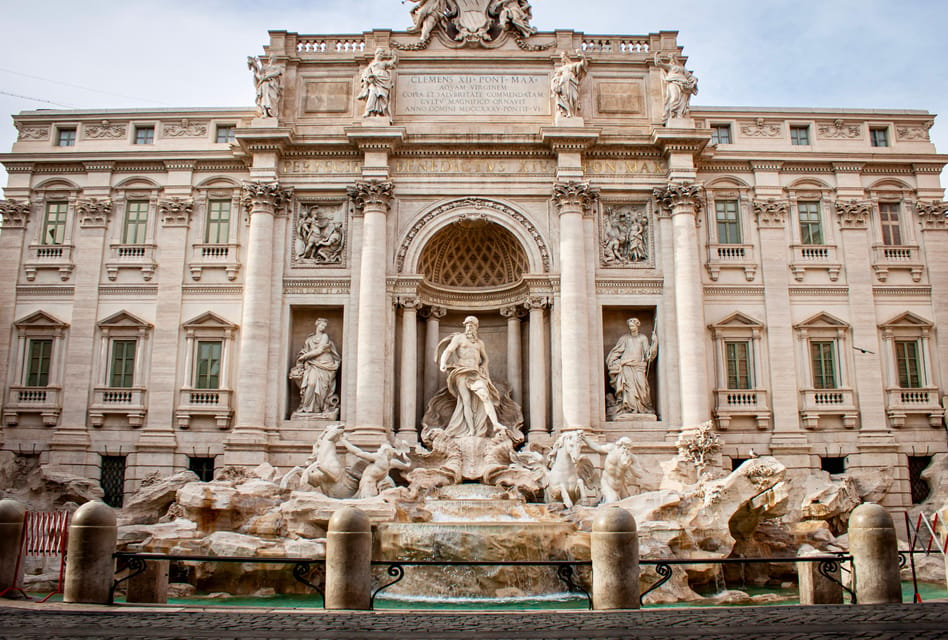
Trevi Fountain is one of those places where everyone has a photo already. The value of this tour is that the guide doesn’t treat it like a selfie stop. You get guided context first, tied to themes like power and propaganda, and then you get a break.
There’s time for photos and sightseeing plus a free time window. That matters because Trevi can be chaotic, and a guided approach helps you understand what you’re seeing while still giving you space to enjoy the moment on your own terms. If the fountain is swamped, you can still walk a few angles, regroup with your guide, and not feel like you’re trapped.
This tour also fits well if you’re returning to Rome. One review specifically said they had already seen the major sights and still found value in the families-led focus and the “what to see next” recommendations at the end.
Church of Sant’Ignazio di Loyola and the Pantheon: art with a reason
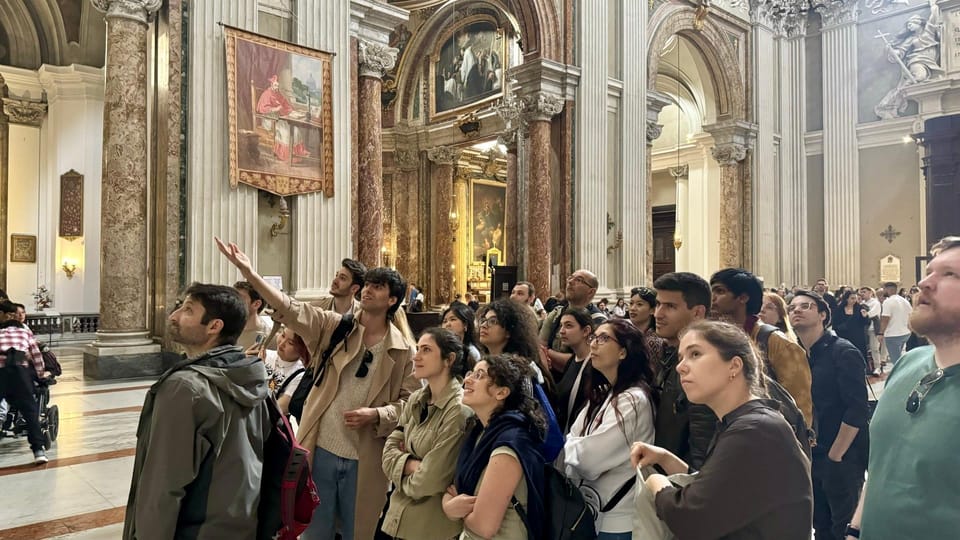
Next comes the Church of Sant’Ignazio di Loyola. This stop has a reputation for visual impact, and the way you experience it here is the difference maker. The guide connects architecture and art to the people and institutions that promoted them, so you’re not simply reacting to beauty. You’re understanding why this kind of spectacle mattered.
After that you hit the Pantheon. The duration here is shorter, around five minutes, which might sound tight. But in practice, it forces the guide to focus on the big idea fast: why it was built, what the design communicates, and how it fits into Rome’s long-running habit of using monumental spaces to project authority.
If you’ve toured the Pantheon before and felt like you skimmed the surface, this format can change that. A guide who knows how to read symbols and tell stories can make even a short stop feel like you’re getting a map of what to notice while you stand there.
You can also read our reviews of more city tours in Rome



Piazza Navona finish: a classic ending with a twist
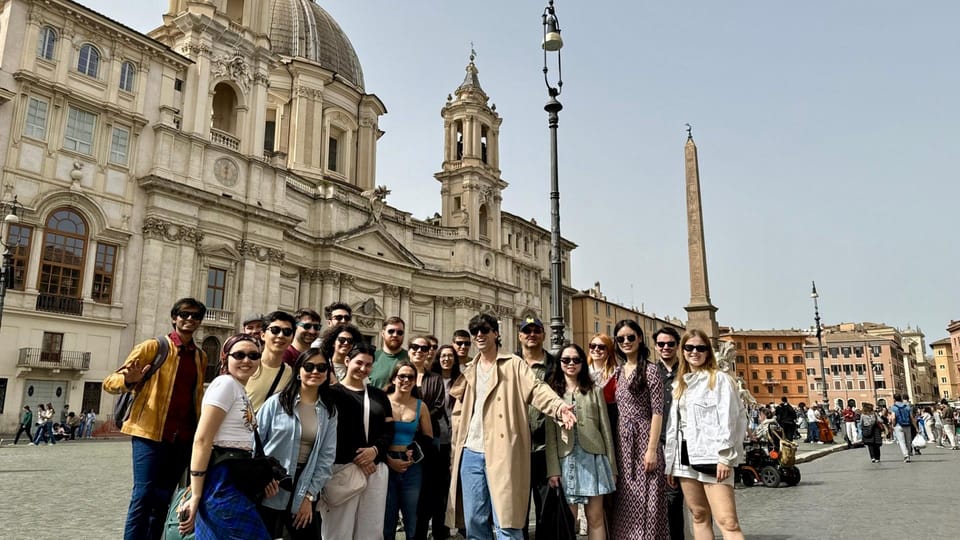
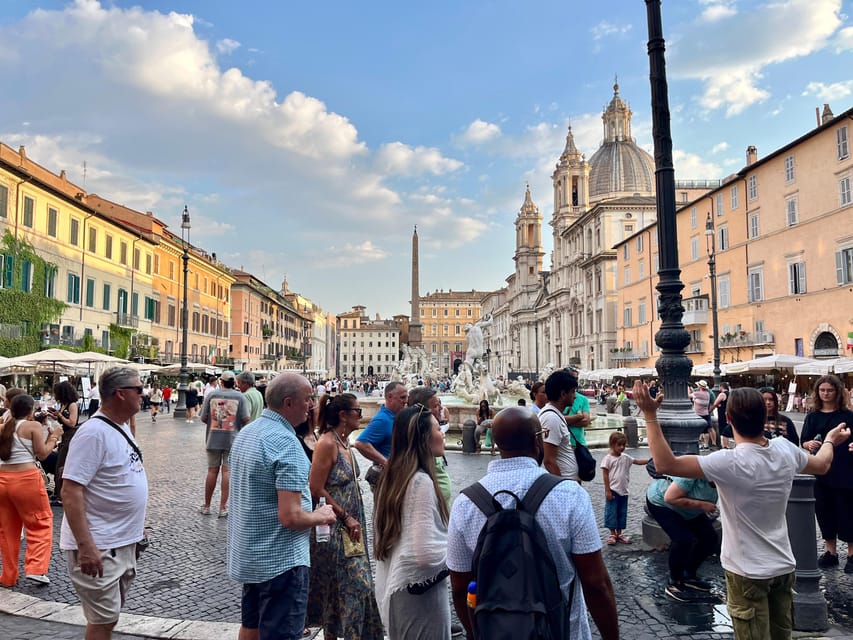
Piazza Navona closes the tour. It’s a fitting finale because it looks like a stage set for Baroque Rome, with fountains, façades, and an open layout that encourages lingering.
You finish where you can actually decompress. You’ve just walked through layers of ancient, Renaissance, and Baroque Rome, plus at least one portion that goes beyond what most visitors see. Now you can decide what you want to photograph, where you want to eat, and which streets you want to explore next.
Many of the reviews praise how guides provided recommendations after the tour, including lists of places to see on a future day. Even if you don’t rely on those suggestions, the ending gives you a practical launch point for the rest of your time in the city center.
What makes this tour a good value (especially with tips)
The stated price is $3.77 per person, but the real economic model is the tip-based Pay-What-You-Want setup. The guides work for tips alone, and the typical tip range mentioned is 10€ to 50$.
So what are you actually paying for? Not just the route and the stops. You’re paying for interpretation. You’re paying for someone to connect Trajan’s messaging to later power plays, to explain why Rome keeps repeating certain visual themes, and to guide you through places that would take you longer to find or interpret on your own.
For $3.77, the ticket cost feels symbolic. The meaningful cost is your tip. If you enjoy guides who tell vivid, sometimes edgy stories, and you want a tour that helps you understand the city quickly without museum-style ticketing everywhere, this setup can be a strong deal.
If you dislike tip-based models or you’re uncomfortable giving 10€ to 50$ at the end, this tour might feel awkward. In that case, you might prefer a fixed-price guided tour where the value is packaged upfront.
Who this tour suits best
This experience tends to click if you:
- Want an alternative to a standard checklist tour of Rome’s center.
- Like story-driven history, including scandal, corruption, crime, murder, war, and betrayal themes.
- Enjoy guides with a humor style, including dark humor and politically incorrect jokes.
- Prefer asking questions and hearing answers in real time rather than filtering everything through headphones.
It’s also a good fit for first-timers who want a structured introduction to Rome’s major sights, because the tour doesn’t skip the classics. It’s just more interested in the reasons behind them than the postcard angle.
If you’re traveling with kids or you’re easily offended by jokes, you’ll want to judge your own comfort level with the tour’s tone before committing.
Tips for getting the most out of it
A few practical moves will make this kind of walk much better:
- Wear shoes built for uneven stone and crowds. You’ll be walking between big landmarks and church stops.
- Bring a flexible mindset. The tour is built around connections between eras, not strict timeline marching.
- At the key church moments, slow down and look for symbols the guide points out. That’s where the story sticks.
- If you want to plan the rest of your Rome trip, save questions for the latter half. Reviews mention guides sharing recommendations at the end.
Should you book this Rome alternative walking tour?
If you want Rome explained through people, power, and political storytelling, I think you’ll like this tour. It combines major sights like Trevi Fountain, the Pantheon, and Piazza Navona with less-visited off-the-route stops, plus included Papal private gardens admission. Guides such as Iris, Jacopo, and Simone come through in reviews as passionate hosts who answer questions and keep the pace easy to follow.
Book it if you’re comfortable with a tip-based model and the tour’s edgy humor style. Skip it if you want a quiet, strictly neutral history walk or if the idea of 10€ to 50$ tip expectations at the end doesn’t sit well with you.
FAQ
How long is the walking tour?
The tour lasts about 2.5 hours.
Where does the tour start and where does it end?
It starts at the steps of Chiesa del Santissimo Nome di Maria al Foro Traiano, by Trajan Column and Trajan Forum, and it finishes at Piazza Navona.
Is this tour tip-based?
Yes. It follows a Pay-What-You-Want model where the guide works on tips alone, and you give what you think it’s worth.
What languages are offered?
The live guide speaks Spanish and English.
What major sights are included?
The tour includes Trevi Fountain, the Pantheon, and Piazza Navona, along with other central stops.
What’s included besides the walking tour?
Included items are a local guide, walking tour, city highlights, hidden/off-limits stops, and Papal private gardens admission.
What are the booking and cancellation basics?
You can reserve now and pay later, and you can cancel up to 24 hours in advance for a full refund.