REVIEW · ROME
Rome: Cannondale E-Bike Tour of Top Landmarks & More
Book on GetYourGuide →Operated by TopTours · Bookable on GetYourGuide
Rome on two wheels cuts the stress fast. You zip past major landmarks and still get back-alley moments, with safety-focused guidance and a thoughtfully paced 14 km route. It’s a great way to see the city without spending your whole day in lines or stuck in slow-moving crowds.
Two things I really like: the bikes are meticulously maintained (checked after every use), and the guides help you feel confident on the road. Names that show up in the tour’s reviews include Carmen, Bita, Sina, Anna, Ali, Pablo, Fabio, Zac, and Chris, and the common thread is clear directions plus real street-level confidence. One thing to consider: this is a 4-hour circuit built to cover a lot, so it’s best if you want smart sightseeing and photos, not long, slow wandering at every single stop.
In This Review
- Why this Rome e-bike tour feels efficient and fun
- Top moments and practical wins at a glance
- Meeting near Via Labicana: starting point and first impression
- Cannondale e-bikes: how the ride actually feels in Rome
- Colosseum area and the Imperial Forums: seeing the power points
- Trevi Fountain and Spanish Steps: icons, but with a smarter rhythm
- Piazza del Popolo and Villa Borghese: the view break you’ll appreciate
- Piazza Navona and the Pantheon: architecture stops that don’t feel rushed
- Jewish ghetto and Portico di Ottavia: a quieter, meaningful side
- Theatre of Marcellus and Roman Forum panoramas
- Safety-first guidance: how the guides keep things smooth
- Comfort and small-group pacing: what 10 riders really changes
- Price and value: is $100 for 4 hours worth it?
- Who this tour suits best (and who should skip it)
- Should you book this Rome e-bike tour?
- FAQ
- Where is the meeting point?
- How long is the tour?
- How far do we ride?
- Is the tour difficult?
- Are helmets provided?
- What’s included with the tour?
- What language is the live guide available in?
- How big is the group?
- Can kids join the tour?
- What’s the cancellation and payment flexibility?
Why this Rome e-bike tour feels efficient and fun
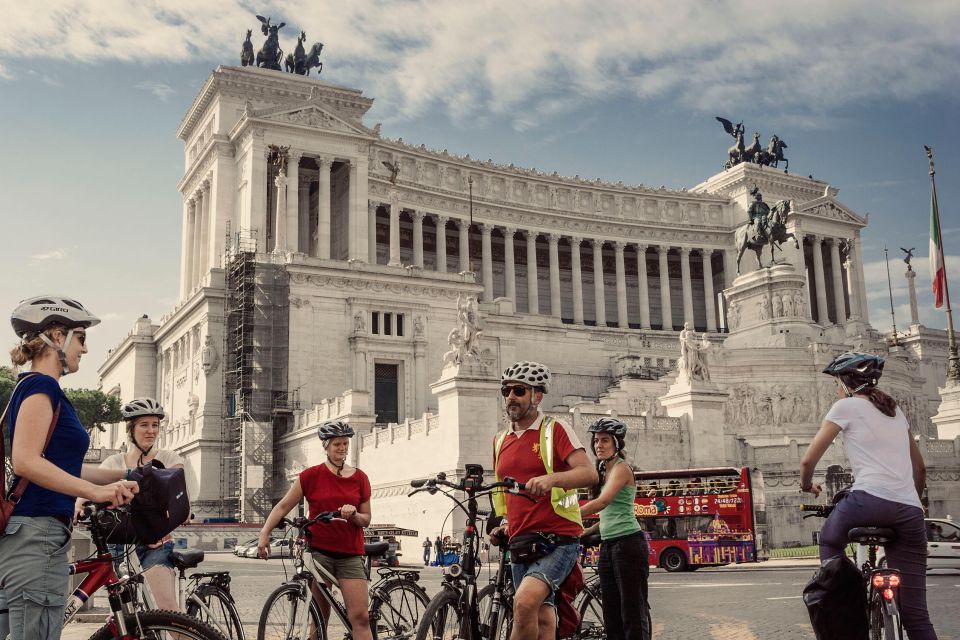
The best Rome tours don’t just list sights. They help you move through the city in a way that makes sense on Day 1, or whenever you want to cover a lot without burning out. This one is designed around that idea: classic highlights plus quieter lanes and gardens, all wrapped into a leisure/intermediate ride.
The vibe is also very “let’s stay safe and keep it smooth.” Helmets are mandatory and provided for free, and the tour is small—up to 10 people—so you’re not swallowed by a big group. You also get practical add-ons that matter when you’re actually cycling Rome: an included water bottle, a handlebar bag, and anti-puncture tires built for peace of mind.
If you’re traveling with kids, the tour can work well too. Babies under 1 aren’t included, but there are child-seat and extension options for younger riders, and teens 9+ can ride their own e-bike.
Top moments and practical wins at a glance
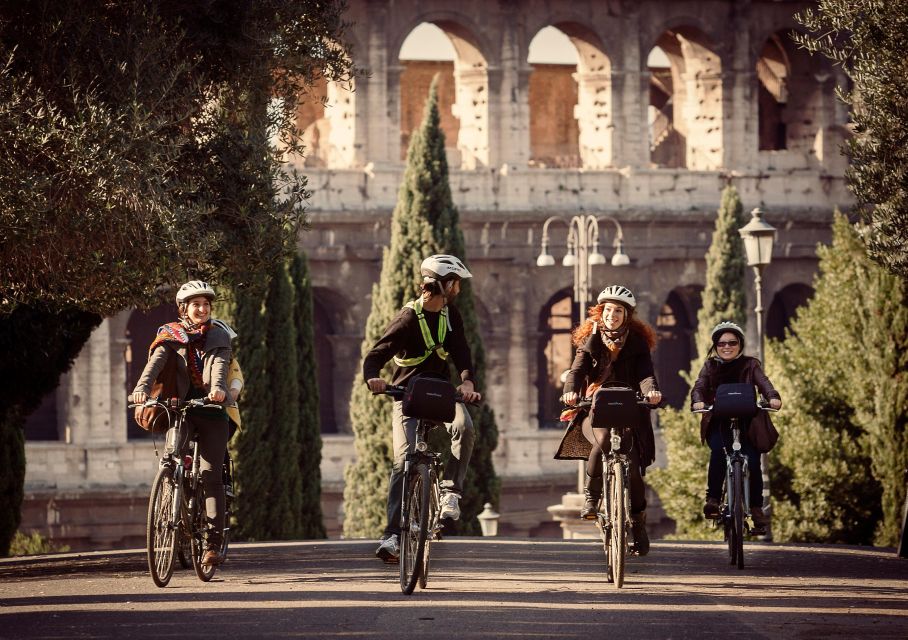
- Cannondale e-bikes that are kept in shape, with anti-puncture tires and comfy saddles
- A route built to balance big sights with smaller corners and garden-like breaks
- Small-group size (max 10) means easier pacing and safer navigation
- Guides who give clear directions, plus history at the stops (and humor when it fits)
- A 4-hour format that helps you get your bearings quickly
You can also read our reviews of more cycling tours in Rome


Meeting near Via Labicana: starting point and first impression
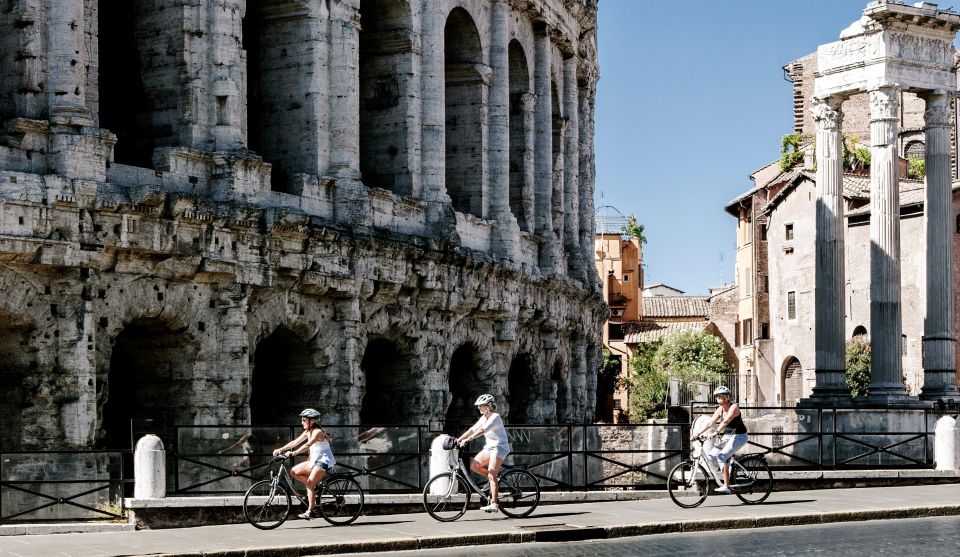
Your tour meets at the shop on Via Labicana 49, a short walk from the Colosseum. That location matters because it puts you close to where most visitors want to be anyway, and it reduces that awkward “how do we get there first” scramble.
When you arrive, you’ll get the bike, helmet (required), and a handlebar bag plus water. Several reviews mention the bikes feel new or well maintained, and that the team does a proper check—so you’re not rolling out wondering if something is loose. One reviewer even noted a quick bike fix during the ride, which tells me this team treats small issues as part of keeping your day smooth.
If you’re nervous about cycling in Rome’s streets, you’ll likely breathe easier here. Reviews repeatedly bring up the same theme: the guide leads the group clearly, uses safer lines, and knows how to keep everyone together.
Cannondale e-bikes: how the ride actually feels in Rome
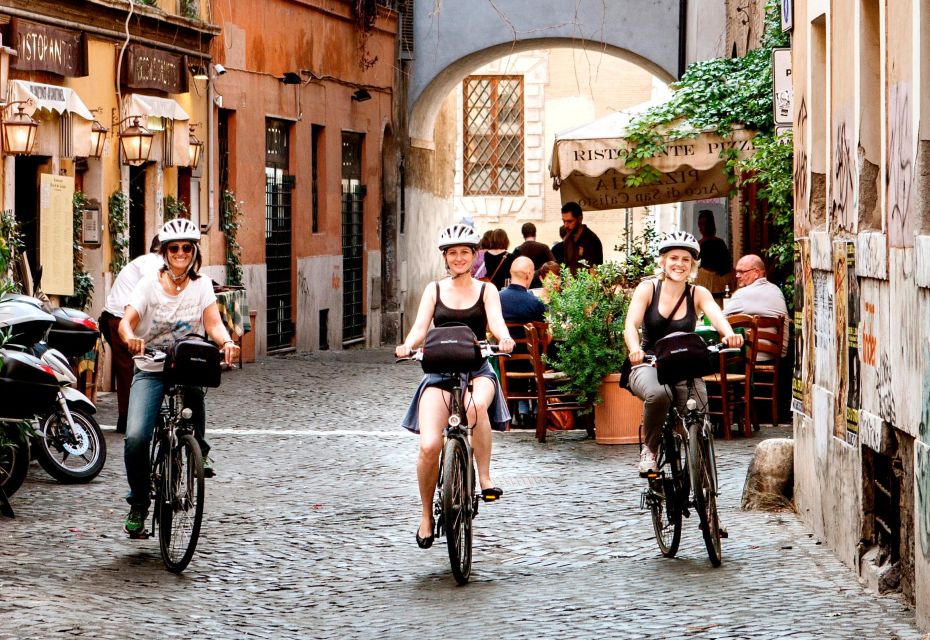
This tour uses Cannondale e-bikes, and the key detail is that they’re pedal-assist, not fully electric like a scooter. That’s a good thing for most people. You still pedal, but hills and longer stretches don’t turn into a workout punishment.
The tour covers 14 km (8.5 miles) over 4 hours. That distance sounds moderate, but Rome’s streets can be mentally tiring even when you’re not riding hard. The pedal assist helps you keep moving without feeling like you’re burning time, and the anti-puncture tires reduce the chance that a small road hazard derails your day.
You’ll also see why the “comfortable saddle” detail matters. The route includes big-view stops (like Roman Forum panoramas) and tighter lanes (back streets and older neighborhoods). The better the bike fit, the more you’ll enjoy the actual sightseeing instead of counting sore spots.
Colosseum area and the Imperial Forums: seeing the power points
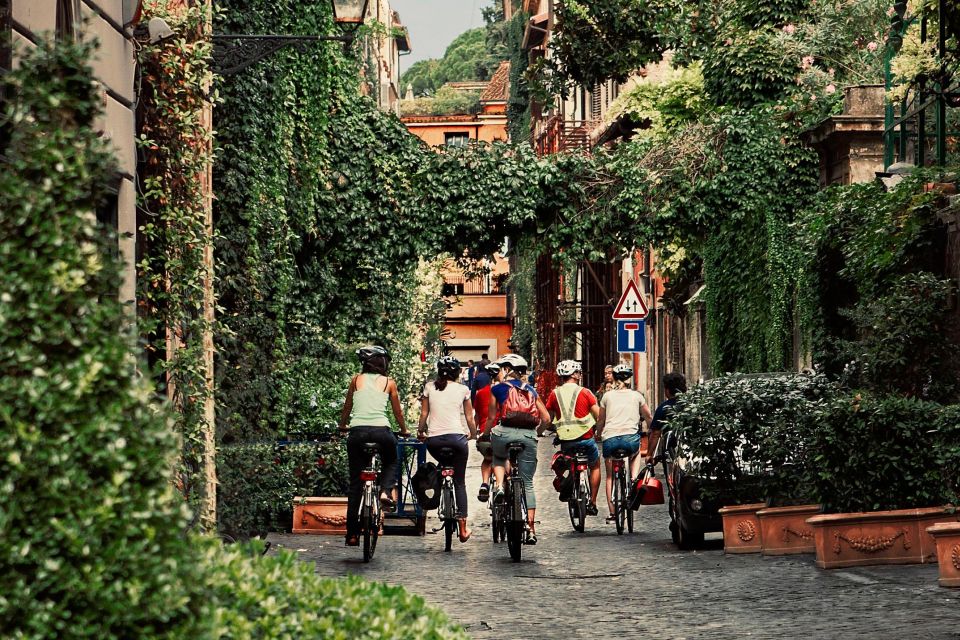
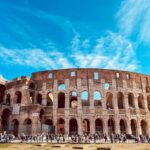
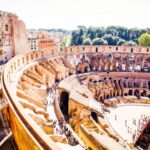
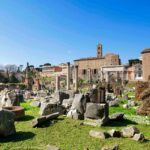
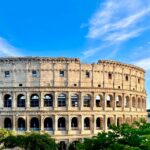
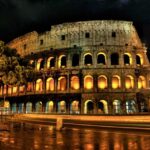
Most Rome trips try to do the Colosseum and then rush you along. This one tends to treat that area as a proper viewpoint moment. You’ll ride in and around the Colosseum and then hit the Imperial Forums, including a panoramic view of the Roman Forum later in the ride.
One review highlights that the Roman Forum experience was especially good from a higher angle—looking down on the Forum and the Colosseum from above and behind. That kind of viewing position is exactly what you want on an efficient tour: you get the “oh wow” without needing a long detour or guesswork.
Expect photo stops plus guide commentary, not silent sightseeing. Guides like Carmen and Zac are repeatedly described as informative, while Sina is mentioned as funny and very helpful with city context. The end result is that you’re not just looking at stone. You’re also getting the why behind where you’re standing.
Practical note: because this is a ride-and-stop format, you’ll want to be ready to move when the group moves. If you like lingering for extended indoor visits, you’ll probably need a separate day for that.
Trevi Fountain and Spanish Steps: icons, but with a smarter rhythm
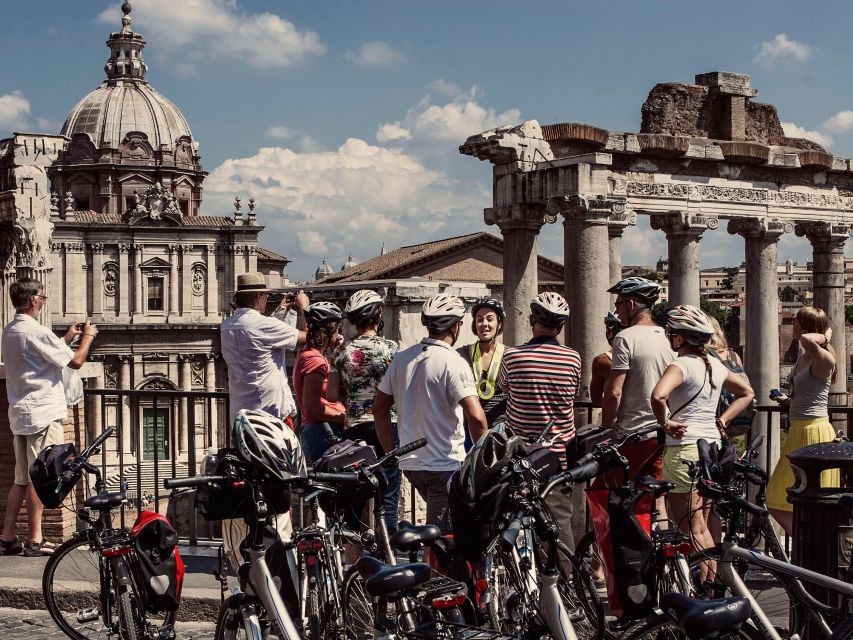
The tour includes both Trevi Fountain and the Spanish Steps. The benefit of doing them on an e-bike circuit isn’t that the monuments become smaller, but that you can see them as part of a full day rather than as isolated checklist items.
On these stops, the guide’s job is to help you time your photos and understand what you’re looking at. Reviews back that up: people note enough time for pictures, clear directions, and explanations that make the landmarks click.
Another subtle advantage: doing Trevi and the Spanish Steps as part of a longer route helps you avoid the feeling of spending your whole morning in one overcrowded pocket. You’re still going to be near the icons, but you’re also moving away afterward, so you don’t get stuck in one zone all day.
If you’re visiting in a busy season, this pacing can be the difference between remembering the sights and only remembering the crowd.
You can also read our reviews of more tours and experiences in Rome
Piazza del Popolo and Villa Borghese: the view break you’ll appreciate
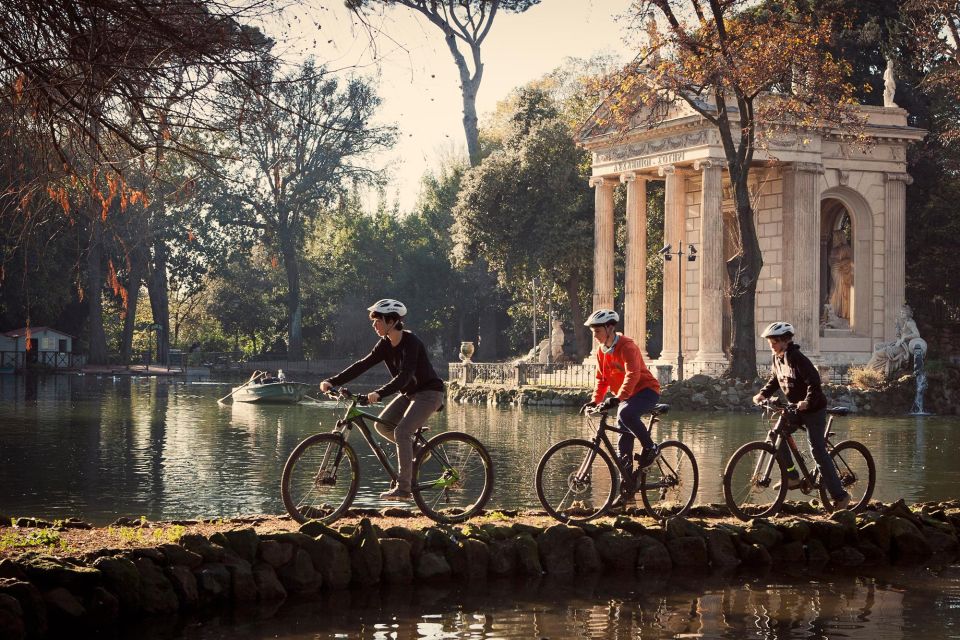
A big part of why this tour feels balanced is the shift from dense center streets to greener, more open viewpoints. You’ll ride through Piazza del Popolo, then head toward the Villa Borghese park area and a scenic view of Rome.
This is the moment where you’ll feel the benefit of the e-bike. You’re not grinding up hills with tired legs. Instead, you arrive at the viewpoint with energy left to look around. Reviews call out how easy uphill riding is thanks to the assist, which matches the tour’s design idea: keep the day enjoyable for different cycling levels.
If you’re traveling with teens, this kind of stop also tends to work well. One review notes the ride kept teenagers engaged until the last minute—often because there’s variety: famous squares, then a view break, then quieter neighborhoods.
Piazza Navona and the Pantheon: architecture stops that don’t feel rushed
The itinerary brings you to Piazza Navona, described as the former Stadium of Domitian, and then to the Pantheon. These are exactly the kinds of sights where a good guide changes your experience. Without context, you get photos. With context, you start noticing patterns and proportions.
Piazza Navona is a great example because it’s visually “loud,” meaning you’ll naturally look around. A guide helps you connect what you’re seeing with the timeline of the place. Then the Pantheon gives you a more focused architecture experience, where details matter.
Reviews often mention that guides make the stops work for different interests. One reviewer said the guide prioritized what the group was most interested in, and another shared that the pace felt right so the 4 hours flew by.
If you want to learn while you ride, this section is one reason the tour gets such strong ratings.
Jewish ghetto and Portico di Ottavia: a quieter, meaningful side
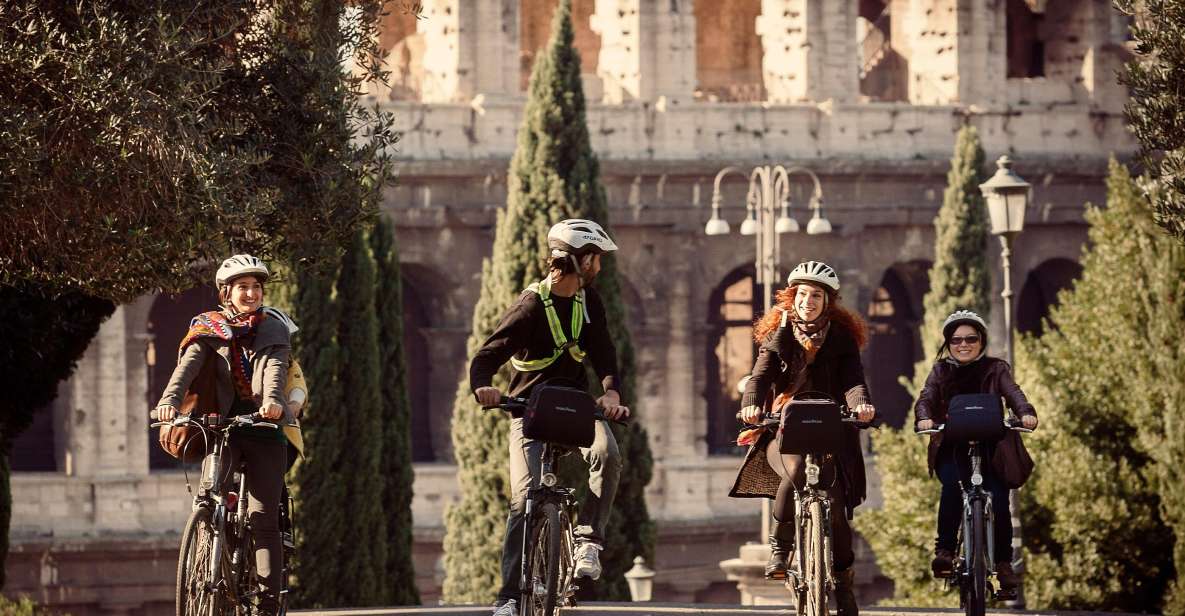
One of the more thoughtful parts of the route is the ride through the Jewish ghetto and the Portico di Ottavia. Even if you’ve never studied this part of Rome before, the tour structure helps you move from major classics into a different neighborhood feel.
This is where “top landmarks and more” becomes real. A bike tour gives you access to the texture of a district—streets, turns, and how the buildings shape the road—so you’re not only standing in the center of famous squares.
You’ll also get a guide-led flow: commentary at the stops, time to look, and time to reset before you move on. It’s a good balance for people who want more than the same postcard loop.
Theatre of Marcellus and Roman Forum panoramas
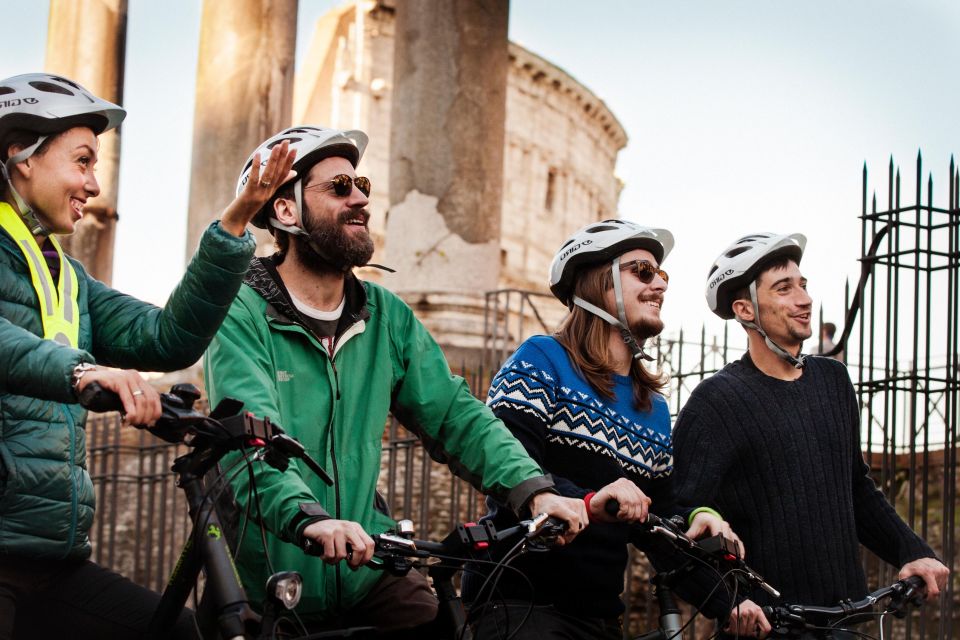
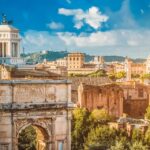
You finish with some strong “Rome from above” and “Rome from the right angle” energy. The itinerary includes the Theatre of Marcellus and a panoramic view of the Roman Forum.
That Forum overlook is a highlight for a reason. It gives you scale. When you’re down on street level, the Forum can feel like ruins you’re walking through. When you see it from the right perspective, you start to understand how it all connected—why the area mattered, and how the city’s layout evolved.
One review specifically calls out the best angle as a standout: up above and behind, looking down on the Forum and Colosseum area. If you care about photography and orientation, this is the part that helps your photos look like more than souvenirs.
Safety-first guidance: how the guides keep things smooth
Most people don’t choose a bike tour just for bikes. They choose it for how it reduces stress. This one is designed that way on purpose.
Guides are described as safety-minded, patient, and clear. Carmen is mentioned as lovely and very informative, with directions that are easy to follow. Bita is described as giving solid background at each stop, with an understudy (Agnese) supporting the group by bringing up the rear for route learning.
Sina and Zac are repeatedly praised for being both funny and informative. Anna gets praise for accommodating different cycling levels, which matters because e-bike tours still need everyone to ride in a coordinated way.
If you get anxious about riding in unfamiliar city streets, here’s the practical takeaway: the group stays small, the guide leads, and the tour structure keeps you from making navigation mistakes on your own.
Comfort and small-group pacing: what 10 riders really changes
A small group of 10 sounds nice, but it changes the ride more than you’d think. It helps with:
- easier spacing between bikes
- faster comprehension of directions
- smoother stops for photos and explanations
The tour is also built around short segments that add up to a full Rome hits list. You’re not stuck on one long, exhausting stretch. Instead, you get repeated “look and learn” moments, and then you roll onward.
The 4-hour length is also important for pacing. Several reviews say the time flew by, and that you come away feeling like you learned the city. That’s what a good “overview day” should do: help you map your next moves and reduce guesswork.
Price and value: is $100 for 4 hours worth it?
At $100 per person for 4 hours, you’re paying for more than access to an e-bike. You’re paying for:
- bike setup and upkeep
- a helmet, water, and handlebar bag
- a guide who gives structure and context at each stop
- a route that strings together multiple iconic sites in one block
When you compare this to bus-only tours or self-guided cycling, the value becomes clearer. A bus tour can get you from A to B, but you often lose the street-level texture. A self-guided ride can be cheaper, but it costs time and energy figuring out where to go next.
Also, the guide quality is a big part of the “why.” With consistent praise for guides like Carmen, Sina, Anna, Ali, Pablo, and Fabio, the experience feels like a service—not just a rental.
One caution: if your ideal Rome day is slow and museum-heavy, you might find a 4-hour circuit a bit too “efficient.” But if you want to cover the big landmarks and still get some lesser-known feeling, this is a strong match.
Who this tour suits best (and who should skip it)
This tour is a great fit if you:
- want an efficient way to see Colosseum, Trevi, Spanish Steps, Pantheon, and more
- like a guide explaining what you’re looking at while you ride
- want an easier time with hills thanks to pedal-assist
- appreciate a safety-focused, small-group approach
It can also work nicely for families with kids because the tour includes child seat and child extension options for certain ages and sizes.
Where I’d hesitate: if you’re hoping for a slow “wander Rome” style day with lots of optional detours. This tour is designed to move through a route. It’s built for momentum.
Should you book this Rome e-bike tour?
Yes, if you want a smart first pass at Rome that mixes iconic monuments with quieter neighborhoods and a couple of scenic relief breaks. The consistent theme in the reviews is that guides are clear, bikes are comfortable and well maintained, and the pacing works for many cycling comfort levels.
Book it early in your trip if you want help getting your bearings fast. And if you’re traveling with a child who meets the age/size guidelines, the e-bike format can keep the day fun instead of turning into a long walking marathon.
If your travel style is mostly about long indoor museum time or slow neighborhood wandering, you might pair this with a second day on foot—use the bike tour to orient yourself, then go back later at your own pace.
FAQ
Where is the meeting point?
The meeting point is the shop on Via Labicana 49, a few minutes’ walk from the Colosseum.
How long is the tour?
The tour lasts 4 hours.
How far do we ride?
The itinerary covers 14 km, which is about 8.5 miles.
Is the tour difficult?
The difficulty is listed as leisure. It’s also described as intermediate with a child seat or child extension mounted on the bicycle.
Are helmets provided?
Yes. Helmets are mandatory and provided for free.
What’s included with the tour?
You get the e-bike (with anti-puncture tires and a comfortable saddle), a local guide, a helmet, a handlebar bag, and a bottle of water.
What language is the live guide available in?
The live guide is available in English, Spanish, French, Italian, German, and Dutch.
How big is the group?
This is a small group limited to 10 participants.
Can kids join the tour?
Babies under 1 year can’t join. Infants aged 1–4 travel on a child seat and travel free of charge. Children aged 5–8 ride with a child extension. Children aged 9+ (over 140 cm tall) can ride an e-bike.
What’s the cancellation and payment flexibility?
You can cancel up to 24 hours in advance for a full refund. You can also reserve now and pay later, so you pay nothing today.