REVIEW · ROME
Rome: City Highlights Walking Tour
Book on GetYourGuide →Operated by City Walkers Tours · Bookable on GetYourGuide
Rome hits hard, fast, on foot. This highlights walk strings together Pantheon scale, Trevi Fountain drama, and quieter streets like the Jewish Ghetto, all with a live English guide. I like that it starts at Trajan’s Market, so the ancient setting is in place before you hit the big-name sights, and that the pace leaves room for questions. One possible drawback: it’s a lot of walking, and you only see monuments from the outside—no indoor entry.
You also get practical support along the way. If you need it, the tour provides headphones for clearer listening, and the guide keeps things moving rain or shine. Plan for comfy shoes, water, and sunscreen, because this is a real city walk, not a hop-on hop-off route.
In This Review
- Key things I’d circle before you book
- Starting at Trajan’s Market: the Rome lesson you wish you had sooner
- Piazza Venezia and the Monument to Victor Emmanuel II: the view that anchors the walk
- The Jewish Ghetto and Campo de’ Fiori: history with street-level context
- Piazza Navona, then the Pantheon: from Baroque drama to ancient order
- Hadrian’s Temple and the art of finishing with the right momentum
- Trevi Fountain at the end: how to enjoy the finale without stress
- Price and value: what $41 buys you in real terms
- Pacing, weather, and what to pack for a 2.5-hour walking loop
- Tour style: the guides are the secret sauce
- Who this Rome highlights walk suits best (and who should skip it)
- Should you book this Rome city highlights walking tour?
- FAQ
- How long is the Rome City Highlights Walking Tour?
- Where do I meet the guide?
- What’s included in the price?
- Are there entrances into the monuments?
- What should I bring?
- Is the tour accessible for mobility impairments?
Key things I’d circle before you book
- Trajan’s Market first: you begin in the 2nd century AD and build context before the headline monuments
- A tight list of big classics: Pantheon, Trevi Fountain, plus Piazza Navona and more
- Jewish Ghetto + Campo de’ Fiori: you get a detour into 16th-century Rome and the everyday street-life side of town
- Baroque sights in practical walking order: Piazza Navona fountains and the Trevi finale fit naturally together
- Small, question-friendly vibe: guides like Brian, Fabio, and Monica are repeatedly praised for being friendly and engaging
- Outside views only: you’ll learn a lot, but you won’t be going inside any buildings
Starting at Trajan’s Market: the Rome lesson you wish you had sooner
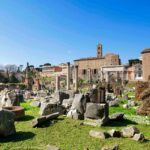
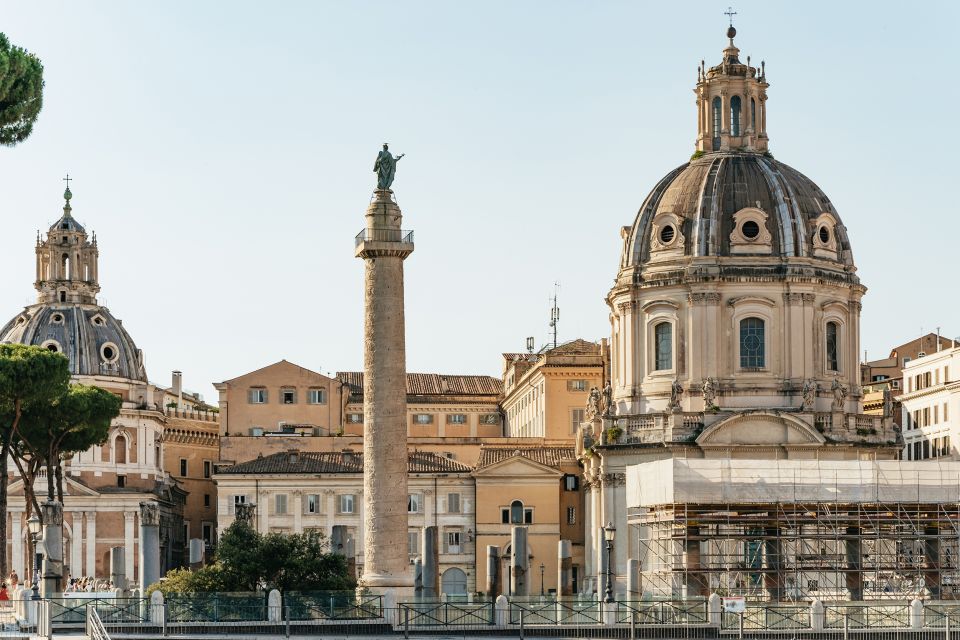
The tour begins at Colonna Traiana n 84, with the guide holding a City Walkers logo sign or flag. The very first stop is Trajan’s Market, built in the 2nd century AD, which sets the tone in a smart way. Instead of jumping straight to postcard sights, you start with how ancient Rome handled commerce and crowds.
This matters because Rome can feel like a pile of eras—until someone connects the dots. From the start, you’re being pointed toward the engineering behind the city, not just the face-value photos. It’s a good way to get your bearings fast, especially if it’s your first day in town.
One practical note: you’ll be outside the whole time. That’s not a problem, but it does mean your comfort depends on weather and walking pace, so come ready.
You can also read our reviews of more walking tours in Rome



Piazza Venezia and the Monument to Victor Emmanuel II: the view that anchors the walk
From Trajan’s Market, the route moves to Piazza Venezia, one of Rome’s most recognizable squares. Here, you’ll see the Monument to Victor Emmanuel II, a major focal point in the area and a natural landmark for orienting yourself.
This stop is useful even if you’re not a monument person. A big square like this helps you understand how the city is laid out, and it gives you a frame of reference for what comes next—especially as you transition from ancient structures toward later Roman styles.
Also, because the tour is guided, you’re less likely to wander past details that would otherwise blend into the scenery. If you like explanations that connect architecture to power and politics, this is where that starts.
The Jewish Ghetto and Campo de’ Fiori: history with street-level context
Next comes a pivot into something many first-timers miss: the Jewish Ghetto, a small neighborhood dating back to the 16th century. This part of the walk is where the tour’s “history behind each turn” promise becomes real. You’re not just seeing an area—you’re hearing why it exists and how it shaped daily life.
Then you head to Campo de’ Fiori, in the heart of Rome. The square is famous for its lively street market, and it’s a nice contrast after the more solemn tones you’ll encounter in the Ghetto streets. If you want a quick sense of how modern Romans shop and mingle, this is one of your best moments.
A balanced consideration: this segment can feel information-heavy. If you prefer lighter storytelling on vacation, you might want to pace yourself mentally and take short breaks when you can, because the historical context takes center stage here.
Piazza Navona, then the Pantheon: from Baroque drama to ancient order
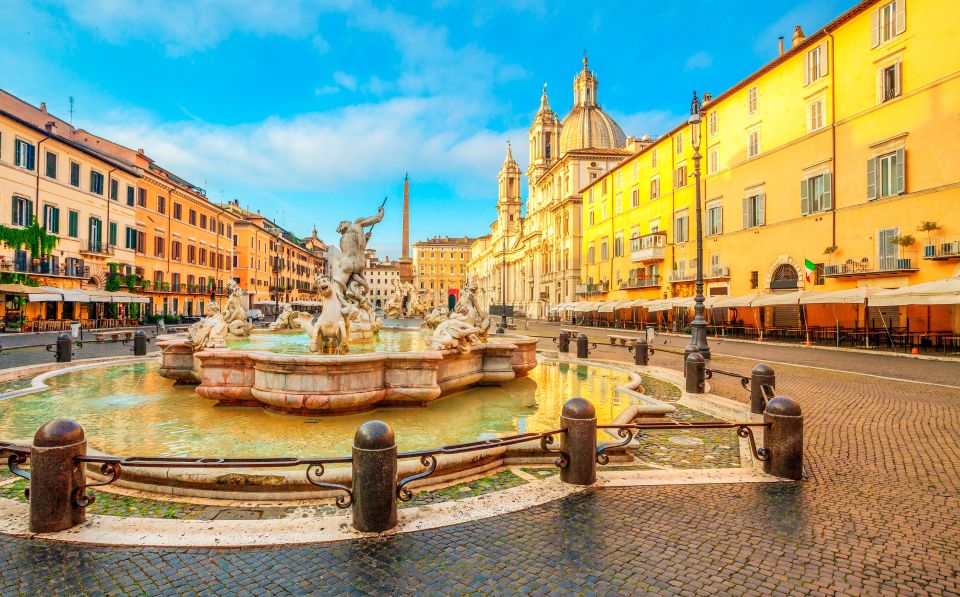
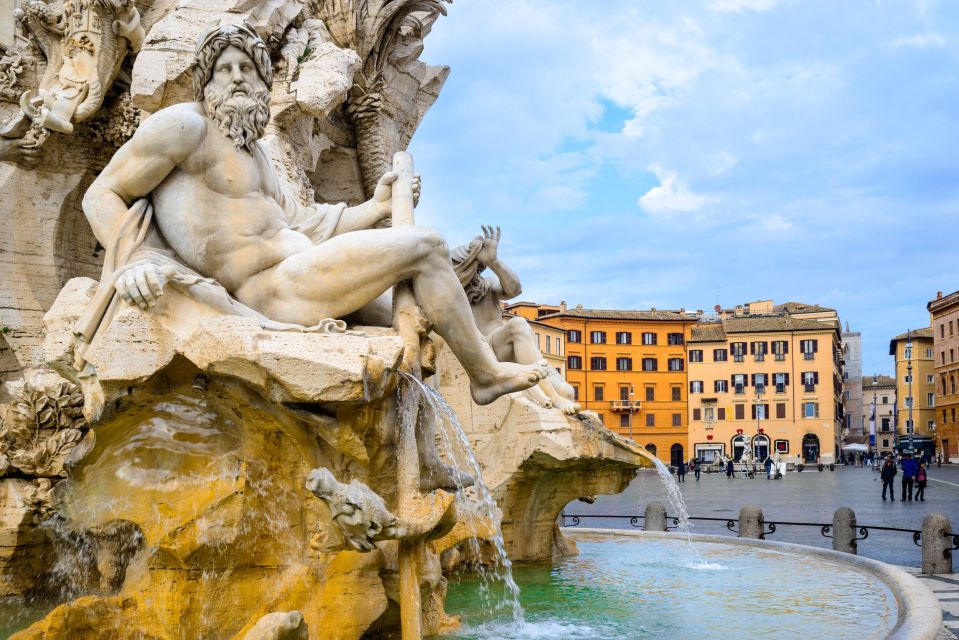
You’ll reach Piazza Navona, known for Baroque-style fountains and sculptures. This stop works because Baroque art isn’t just decoration; it’s meant to pull you in with movement and spectacle. You get that effect while still being in a real public square, where people watch and photos happen naturally.
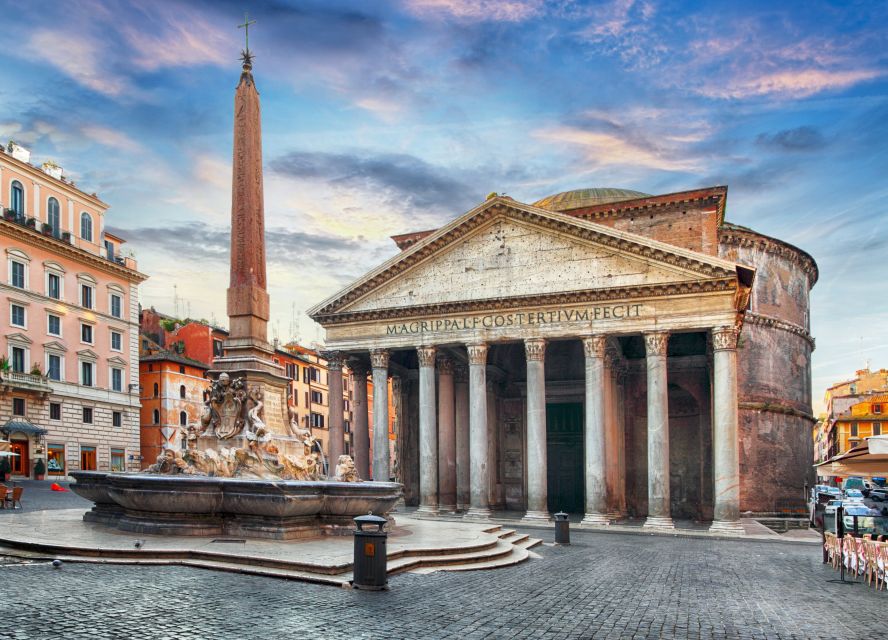
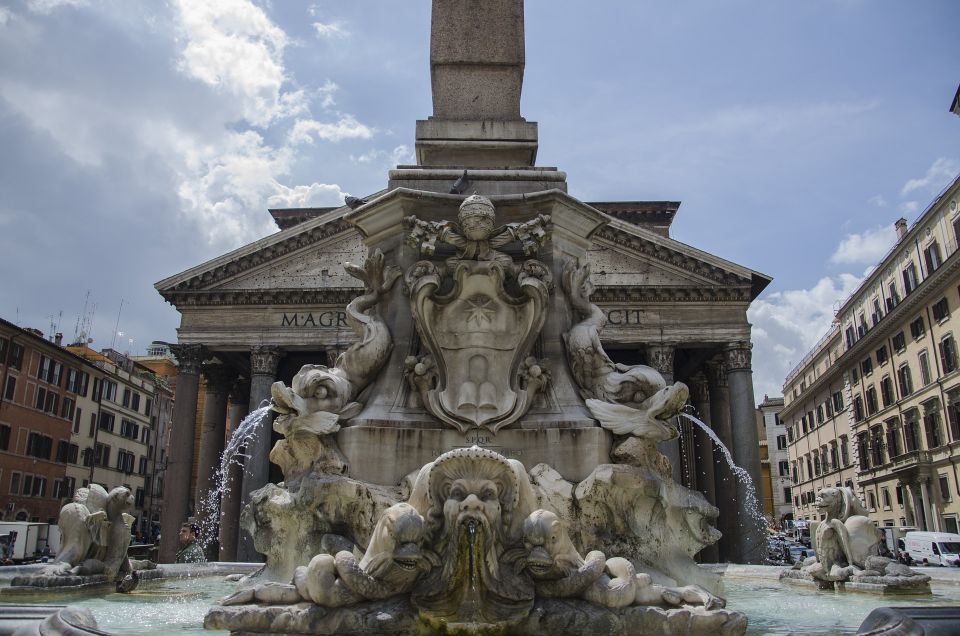
From there, the walk takes you to the Pantheon, one of Rome’s best-preserved ancient monuments. The big value here is perspective: the Pantheon is ancient, but it also feels like it fits into the city’s later layers because of how you approach it as a pedestrian. You’re seeing how the city changes around a constant.
Important: you won’t be going inside. Monuments here are explained from the outside, so your attention has to stay on sightlines, proportions, and details you can actually view on the street.
If you’re someone who tends to skim big sights, the guide’s framing can change that. The Pantheon becomes less of a single stop and more of a reference point for Roman building style and longevity.
Hadrian’s Temple and the art of finishing with the right momentum
After the Pantheon, the tour includes Hadrian’s Temple, described as the last of the great temples built in the city. This is a smart inclusion because it keeps the ancient thread alive instead of dropping you straight into the final photo stop.
It also helps the walk feel intentional. You’re not bouncing between unrelated locations; you’re moving through a sequence that follows Rome’s layers—ancient to later architectural styles and back to the present-day street layout.
From a visitor’s point of view, this is where you start to appreciate the route design. By the time you reach the final stretch, you’re already primed to notice details rather than just collecting snapshots.
You can also read our reviews of more city tours in Rome





Trevi Fountain at the end: how to enjoy the finale without stress

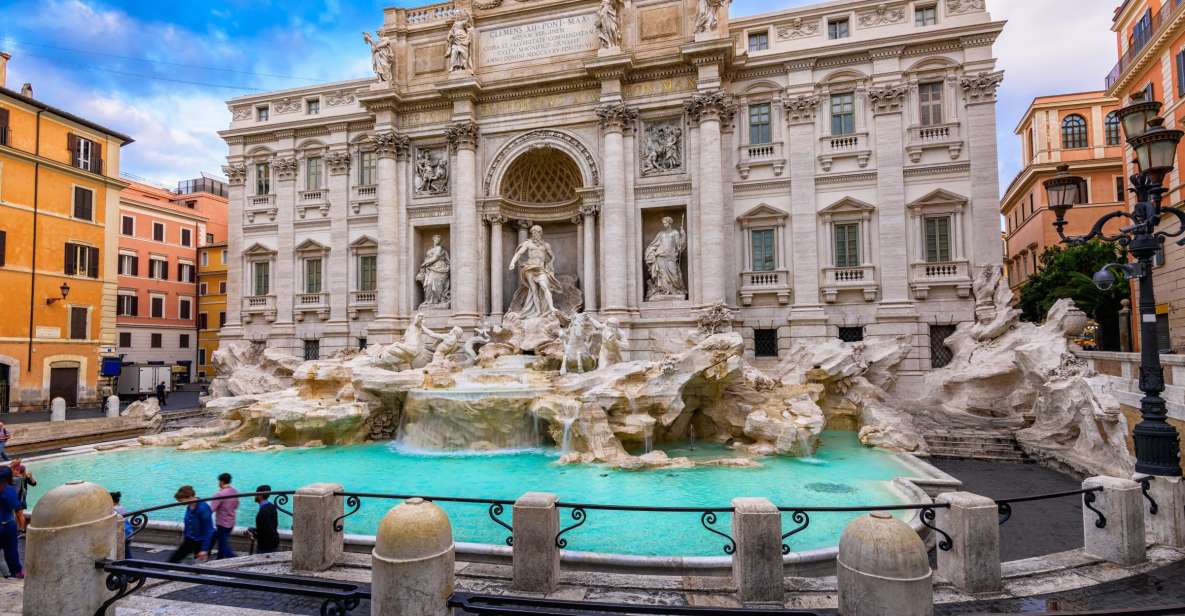
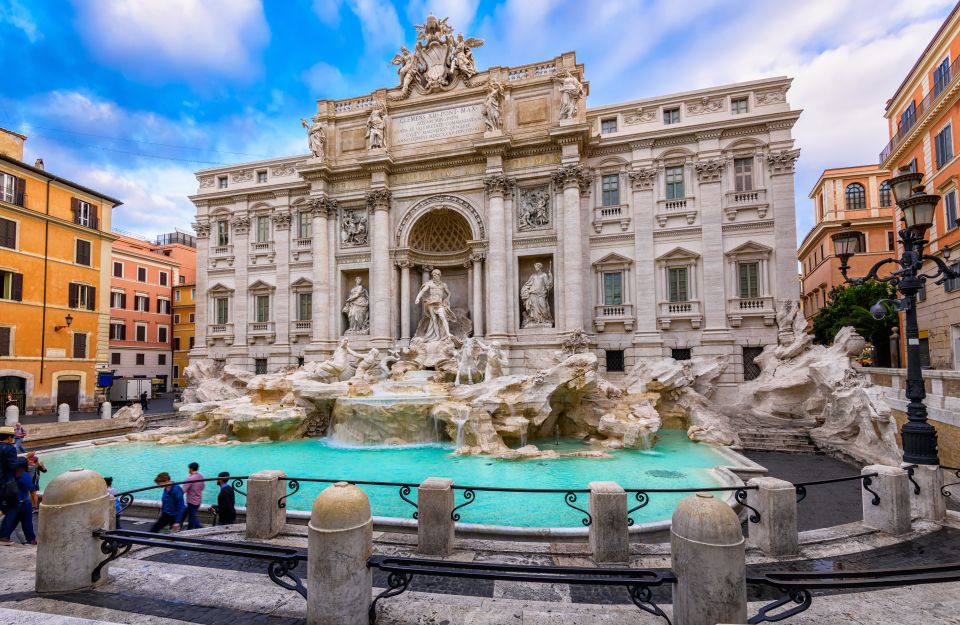
The tour finishes at Trevi Fountain, the iconic Baroque masterpiece and one of the most famous fountains in the world. Ending here is the right move because it gives you a big “wow” moment once your legs are already warmed up and your eyes are trained for details.
Still, Trevi is Trevi, meaning it can get crowded. Since you’re not required to enter anything as part of the tour, you can take your time with the area—look up at the façade, scan the sculptural work, and then decide when you’re ready for your photos.
A practical tip: bring water and take a moment to steady your pace before the last stretch. The end is a payoff, but you’ll enjoy it more if you aren’t already running on fumes.
Price and value: what $41 buys you in real terms
At $41 per person for 2.5 hours, the price is less about any single monument and more about the “glue” that connects them. You’re paying for an English live guide who explains the history behind each turn, plus headphones if needed. That’s the difference between passing through Rome and actually understanding what you’re seeing while you walk.
You also save time thinking about logistics. There’s no hotel pickup, and you’re meeting at a specific point, so the tour works best if you like to start your day with purpose and then explore on your own afterward.
Is it expensive? Not compared to the value of having someone point out why places matter. Is it cheap? Also not if you don’t like walking or you only want photos. This tour fits best when you care about context and you’re willing to cover ground on foot.
Pacing, weather, and what to pack for a 2.5-hour walking loop
This tour takes place rain or shine, so you’ll want weather-appropriate clothing and a basic rain plan if the forecast looks questionable. Since the route is outdoors and monuments are viewed from outside only, you’re fully exposed to the street conditions.
What to bring is simple and practical:
- Water (you’ll thank yourself near the end)
- Comfortable clothes
- Sunscreen
And don’t skip shoes. This is a highlights walk, which means you’ll be standing and walking for long stretches, not hopping between rides.
Also, drones aren’t allowed and alcohol and drugs aren’t allowed. If you’re traveling with any special items, keep it straightforward and follow the tour rules.
Tour style: the guides are the secret sauce
The standout theme in guide feedback is how they handle people. Guides like Brian, Fabio, and Monica are praised for being friendly, answering questions, and keeping the atmosphere relaxed. More than one person also noted a good sense of humor, which helps when you’re walking through serious history for a couple of hours.
Another practical perk: the pacing is often described as not rushed. You’re still moving, but it doesn’t feel like you’re being chased from stop to stop. That matters because Rome rewards slow noticing—especially with outside-only viewing.
If you’re the type who loves asking questions, this kind of format is a good fit. The route is compact enough that you can keep curiosity going without getting lost or cutting your time short.
Who this Rome highlights walk suits best (and who should skip it)
This tour is a strong choice for first-time visitors who want a curated route of major sights plus one or two less obvious stops. It’s also ideal if you want an easy start to your trip: you get the big names, plus the kind of context that makes your later self-guided exploring more rewarding.
It’s not suitable for people with mobility impairments. Since the tour is walking-based and monuments are outside-only, it requires mobility and comfort with uneven city walking.
If you only want to step inside major monuments, this won’t match your expectations. The tour explicitly includes outside explanations with no entry into buildings.
Should you book this Rome city highlights walking tour?
Book it if you want the best use of a half-day window and you like learning as you walk. The mix of Trajan’s Market, Pantheon, Piazza Navona, the Jewish Ghetto, and the finish at Trevi Fountain creates a route that feels like Rome’s layers, not a random checklist.
Skip it if you:
- can’t handle a fair amount of walking,
- need indoor monument access,
- or prefer a self-paced stroll where you control every minute.
For most visitors, though, this is a smart way to get your footing in Rome. You’ll end with the classics covered and a better sense of what you’re actually looking at when you wander off on your own.
FAQ
How long is the Rome City Highlights Walking Tour?
It lasts 2.5 hours.
Where do I meet the guide?
Meet at Colonna Traiana n 84. The guide will be holding a sign or flag with the City Walkers logo.
What’s included in the price?
The tour includes a guide and headphones (if needed).
Are there entrances into the monuments?
No. The monuments are explained from the outside, with no entry into any buildings.
What should I bring?
Bring sunscreen, water, and comfortable, weather-appropriate clothing.
Is the tour accessible for mobility impairments?
No, it is not suitable for people with mobility impairments.