REVIEW · ROME
Jewish Ghetto Walking Tour with gelato
Book on GetYourGuide →Operated by Vitus · Bookable on GetYourGuide
A neighborhood you can walk through history. This 3-hour Jewish Ghetto tour strings together ancient Rome landmarks and centuries of Jewish life, then finishes with a stop for homemade kosher gelato. I love that it’s not just dates and dates; the route points out real places you can still see in the city today. I also like the way the guide blends the big story with everyday Rome details, which keeps it human.
The one thing to consider is that this is a real walking tour. Expect steady walking on uneven streets, and you’ll want to bring a head covering for sacred stops and be ready for rules like no flash photography in certain areas.
In This Review
- Key takeaways before you go
- Starting near Piazza S. Bartolomeo All’Isola (and where Trajan’s Column fits)
- Portico d’Ottavia and Theater of Marcellus: ancient Rome still doing its job
- The homemade kosher gelato stop: the flavor upgrade you’ll remember
- Piazza Mattei and the Turtle Fountain: a photo moment with a story
- The wall that shaped centuries and the Great Synagogue connection
- Crossing the oldest functioning bridge to Tiber Island
- WWII hospital stories and the Asclepius temple now a church
- Price and value: is $46 a good deal for this route?
- Who this tour is best for (and who should think twice)
- Tour pace, what to bring, and small on-the-street rules
- Should you book this Jewish Ghetto walking tour with kosher gelato?
- FAQ
- How long is the Jewish Ghetto walking tour with gelato?
- Where does the tour start?
- What’s included in the ticket price?
- Is entrance fees included?
- What should I bring for the tour?
- Is it suitable for wheelchair users?
Key takeaways before you go
- Meet at the listed start point near Piazza S. Bartolomeo All’Isola, 22 (the tour description also references Trajan’s Column, so confirm the exact meeting pin)
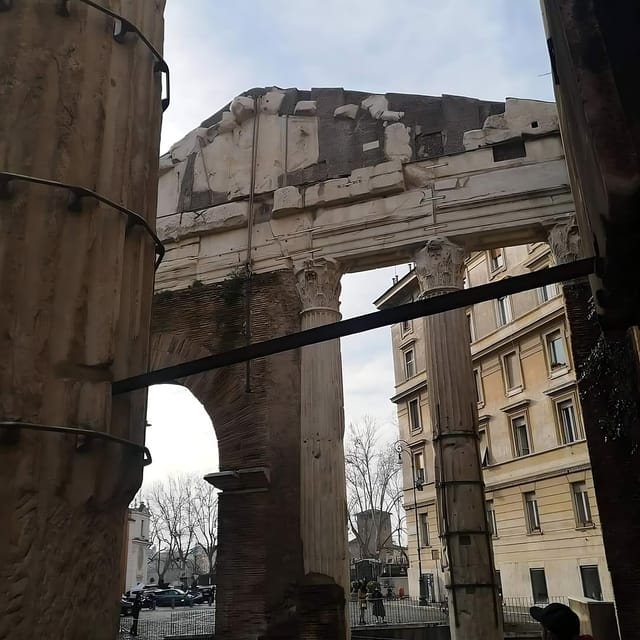
- Portico d’Ottavia and Theater of Marcellus: ancient structures still tied to Rome’s present
- Homemade kosher gelato with a useful ordering tip about raw gelato for better flavor
- Fontana delle Tartarughe (Turtle Fountain) in Piazza Mattei, plus photo-friendly sights along the way
- Tiber Island crossing via the oldest functioning bridge in Rome
- WWII hospital stories and the Asclepius-to-church connection for a layered ending
Starting near Piazza S. Bartolomeo All’Isola (and where Trajan’s Column fits)
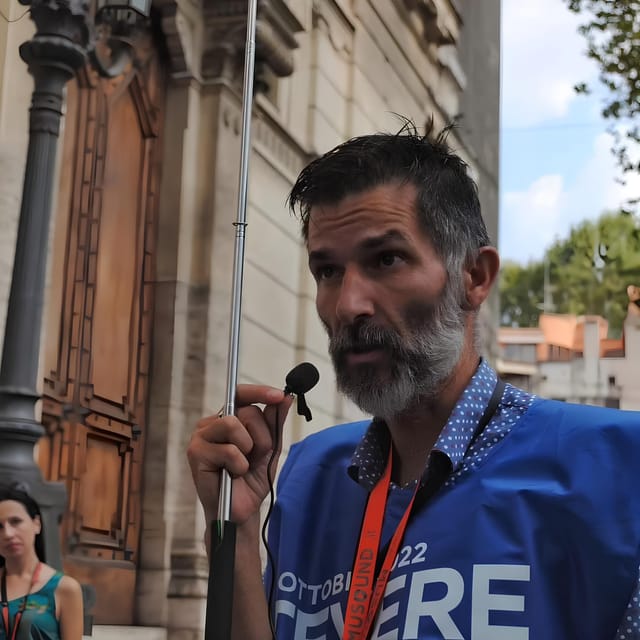
Your tour begins in central Rome, with the listed meeting area at Piazza S. Bartolomeo All’Isola, 22, in front of the church. Elsewhere, the description also says to meet at Trajan’s Column. That mismatch is easy to fix: double-check your confirmation for the exact meeting spot and go there early.
Either way, you’re starting in the right mood—right near the river and within walking reach of the old core of the city. You’ll also get a guide who sets the tone fast: this isn’t a long lecture. It’s a walking map through the Jewish quarter’s changing borders and daily life.
You can also read our reviews of more walking tours in Rome
Portico d’Ottavia and Theater of Marcellus: ancient Rome still doing its job
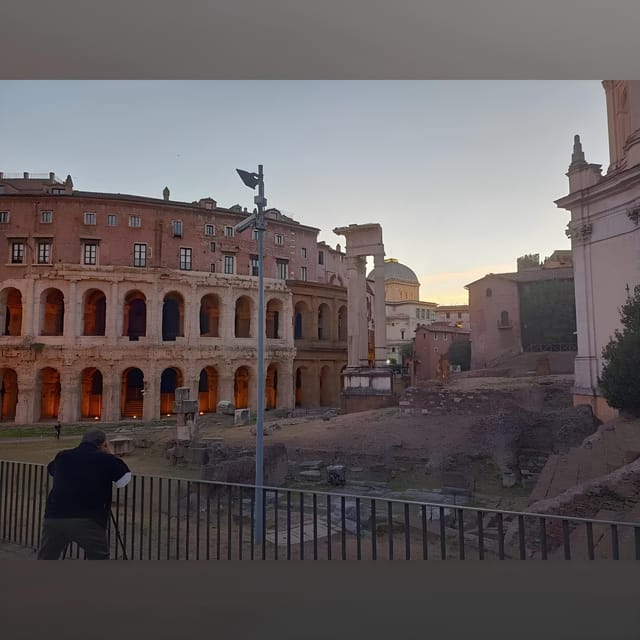
One of the first big rewards is seeing how Roman history overlaps with later history. Passing the Theater of Marcellus gives you a sense of scale. Even if you’ve seen other Roman ruins, it helps to watch Rome keep reusing stone and space—centuries later, you’re still walking through the afterlife of an ancient design.
Then comes the Portico d’Ottavia. It’s a setting that makes sense even on a casual stroll: the portico feels like a natural corridor for people to move, trade, gather, and wait. Your guide will connect it to the Jewish Ghetto story around it, showing how daily life and architecture share the same lines of movement.
Practical note: the early part sets your footing. Bring comfortable shoes, and you’ll enjoy the pacing more.
The homemade kosher gelato stop: the flavor upgrade you’ll remember
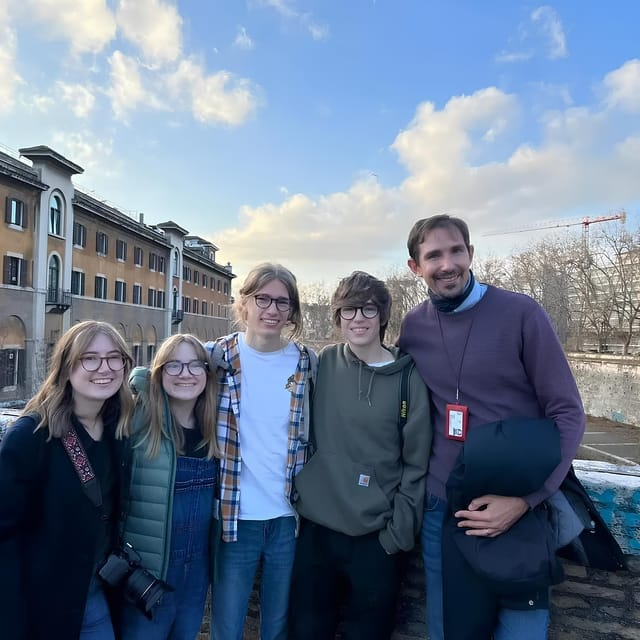
Yes, there’s gelato. But this stop isn’t just a sugary detour. It’s a chance to taste the tour’s theme in a literal way: Jewish tradition meeting modern Rome.
The tour includes a visit to a gelateria for homemade kosher gelato. In one experience, the guide gave a great ordering tip: look out for raw gelato to get the real flavors. That’s the kind of advice that actually changes what you choose. Instead of grabbing whatever looks prettiest, you’ll know what to ask for when the counter opens up.
If you’re sensitive to sweetness, keep it practical: get smaller scoops, because you’ll be tasting while you walk. You don’t want to end up eating dessert at full museum pace.
Piazza Mattei and the Turtle Fountain: a photo moment with a story
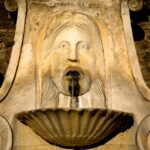
After the gelato, the route heads toward Piazza Mattei and Fontana delle Tartarughe (the Turtle Fountain). This is one of those Rome sights that’s instantly recognizable once you’re close. The fountain gives you a built-in pause point, a place to regroup and take photos before continuing.
What I like here is that the fountain acts like a marker. The tour uses it as a transition between the wider Roman setting and the tighter streets tied to the Ghetto’s history. Even if you know the general story of the Jewish quarter, the walking route makes it feel real: you’re moving through the same kind of small-space geometry where people once lived, worked, and navigated rules.
One consideration: it’s a popular central square. If you’re wearing a head covering, keep it comfy—this area can be sunny, and you’ll appreciate having sunscreen and water ready.
The wall that shaped centuries and the Great Synagogue connection
As you keep moving through the Ghetto area, you’ll pass the last remaining piece of the wall that kept the Jewish community in this area for centuries. Seeing a fragment like that in place hits harder than reading about restrictions. It’s not abstract anymore. It has texture. It’s there on the street, and the guide explains what it meant for daily movement and safety.
Then the tour connects you to the Great Synagogue. The focus isn’t only on architecture—it’s on resilience and survival through changing laws and periods of fear. The guide will bring the story into focus as you pass the synagogue, giving you the sense that Rome’s Jewish community wasn’t one fixed chapter. It was many chapters, often turbulent.
Tip for making the most of this part: listen for cause-and-effect in what your guide says. Pay attention to how changes in power show up in space—who could move where, and why a street corner mattered.


Crossing the oldest functioning bridge to Tiber Island
Here comes one of the most memorable “walk-and-think” moments: you cross the oldest functioning bridge in Rome as you head onto Tiber Island. It’s the kind of crossing that gives your eyes a break from dense streets. Also, it helps you understand why the river mattered. Borders, access, defense, travel—water shapes a city’s human choices.
On the island side, the tour shifts into a more reflective mode. Your guide will keep the story going from the Ghetto period into later layers of Rome. The pace usually feels calmer here, because you’re slowing down enough to take in the river setting while still learning.
Photo note: this is a great time to capture Rome-wide views. And since flash photography is not allowed in certain areas, keep your phone settings ready instead of relying on flash.
WWII hospital stories and the Asclepius temple now a church
Tiber Island isn’t only about Jewish history. It’s where Rome’s layers stack up—medical, religious, and mythic all in the same neighborhood.
The tour includes WWII hospital stories—how a hospital setting helped save people during the conflict. The message isn’t only tragic history. It’s also about what practical help looks like when everything else breaks.
Then there’s the story of Asclepius, connected to the temple that’s now a church. This is one of those Rome details that makes the city feel like one long continuity project: a place originally tied to healing traditions becomes part of a later religious landscape. Your guide ties it back to how people have used sacred spaces for meaning and protection across time.
If you like your history with real-world context, this is where the tour delivers.
Price and value: is $46 a good deal for this route?
At $46 per person and about 3 hours, the value hinges on two things: the guide and the mix of stops.
You’re paying for a guided route through multiple major landmarks—Theater of Marcellus, Portico d’Ottavia, Piazza Mattei and the Turtle Fountain, the synagogue area, and the Tiber Island crossing, plus the gelato. The tour also includes homemade kosher gelato, which adds a clear, tangible benefit instead of a token snack.
Is it the cheapest way to walk this area yourself? No. But it’s usually a smarter deal if you want the connections made for you. Walking these streets without guidance is nice, but you may miss the “why this spot mattered” explanations that your guide provides.
Entrance fees to sites are not included, and the tour is not focused on ticketed museum time. That keeps the schedule flexible and keeps your money focused on guidance and gelato.
Who this tour is best for (and who should think twice)
This experience fits best if you want:
- A story-driven walking route through the Jewish Ghetto and nearby landmarks
- Architecture plus real human history, including WWII-era survival stories
- A gelato stop that’s more than a marketing checkbox—homemade kosher gelato with ordering advice
- A guide who connects the city’s ancient structures to later community history
It’s also a solid choice if you like smaller, more personal group dynamics. In one booking, the tour ended up being very small, which can mean more questions and less rushing.
Think twice if you:
- Need mobility support for uneven streets
- Prefer tours with lots of seating or frequent stops
- Expect a purely indoor experience
Also, there’s a practical note on accessibility. The activity is marked wheelchair accessible, yet it also lists not suitable for wheelchair users and mobility impairments. If that affects you, you should confirm details directly with the operator before committing.
Tour pace, what to bring, and small on-the-street rules
This is a 3-hour walking format, so you’ll want to travel like it’s Rome: slow down when needed, hydrate, and protect yourself from sun.
Bring:
- Comfortable shoes
- Water
- Hat and sunscreen
- Head covering or kippah for sacred places
Also remember:
- Flash photography is not allowed in certain areas.
- Food and drinks are not allowed in certain areas.
One last practical trick: if you’re the type who likes to taste along the route, plan a lighter meal before you meet. The gelato is included, and you’ll be walking after.
Should you book this Jewish Ghetto walking tour with kosher gelato?
I’d book it if you want a guided walk that connects Roman landmarks to the Jewish quarter’s real, changing history—then rewards you with homemade kosher gelato and a satisfying walk across to Tiber Island. The $46 price feels fair because you’re getting multiple iconic stops plus a guide who makes the story land, not just recite it.
Skip it if you struggle with steady walking, need predictable seating breaks, or have accessibility concerns that require more certainty than the current description provides. If you’re unsure, message the operator with your needs and ask for clarity.
If you’re comfortable walking for a few hours and you like your Rome with context, this one is a smart way to spend your time.
FAQ
How long is the Jewish Ghetto walking tour with gelato?
The tour lasts about 3 hours.
Where does the tour start?
The listed start point is Piazza S. Bartolomeo All’Isola, 22, in front of the church. The description also references meeting near Trajan’s Column, so check your confirmation for the exact meeting spot.
What’s included in the ticket price?
Included are a professional English-speaking guide, a walking tour of Rome’s Jewish Ghetto, and homemade kosher gelato.
Is entrance fees included?
No. Entrance fees to any sites are not included.
What should I bring for the tour?
Bring comfortable shoes, a hat, a head covering or kippah, sunscreen, and water.
Is it suitable for wheelchair users?
The activity is described as wheelchair accessible, but it also lists that it is not suitable for wheelchair users and people with mobility impairments. Check with the operator directly to confirm whether the route works for your needs.