REVIEW · ROME
From Rome: Pasta & Tiramisù Cooking Class near Spanish Steps
Book on GetYourGuide →Operated by Naples Together · Bookable on GetYourGuide
Homemade pasta in Rome beats any souvenir. This near-Spanish Steps class teaches fresh fettuccine from scratch and how to layer tiramisù properly, with a friendly chef (Roberto is frequently praised) and time to actually eat what you make. One catch: it’s a full cooking focus for two hours, so plan your Spanish Steps wandering for before or after rather than expecting sightseeing during the class.
I like how this experience combines hands-on technique with a sit-down payoff: knead and cut pasta, then assemble tiramisù with mascarpone, espresso-soaked ladyfingers, and cocoa. You’ll also get local drinks, including wine or soft drink and either espresso or limoncello, plus a small “chef certificate” moment. If you’re looking for a long, slow meal or a big production, this is more workshop than restaurant show.
In This Review
- Key highlights you’ll care about
- Why a Pasta and Tiramisù Class in Rome Feels Worth It
- Meeting at Trattoria Amici by the Spanish Steps
- Fettuccine From Scratch: Dough Work You’ll Actually Learn
- How the Chef’s Sauce Advice Changes Your Cooking
- Tiramisù: The Layering Skill That Makes It Professional
- The Food, Drinks, and the Limoncello Photo Bonus
- What You Get for $101: Value in a Short, Skill-Based Class
- Small Group Energy and Multilingual Instruction
- Practical Tips to Make Your Two Hours Smoother
- Who This Class Is Best For
- Should You Book This Pasta and Tiramisù Class?
- FAQ
- What dishes will I make in this class?
- How long is the cooking class?
- Where does the class meet?
- What drinks are included?
- Is instruction available in languages other than English?
- Is this a small group experience?
- Do I eat what I cook?
- What is the chef certificate?
- How much does it cost?
- Can I get a refund if plans change?
- Is pay later available?
Key highlights you’ll care about
- Two classic dishes, done for real: homemade fettuccine and tiramisù, not just tasting
- Small-group attention that helps when you’re learning dough and cutting
- Chef Roberto-style guidance in English, Spanish, or Italian, so the steps make sense
- Hands-on techniques you can repeat at home (mixing, kneading, cutting, layering)
- A drink-and-meal finish with wine/soft drink and espresso or limoncello
Why a Pasta and Tiramisù Class in Rome Feels Worth It
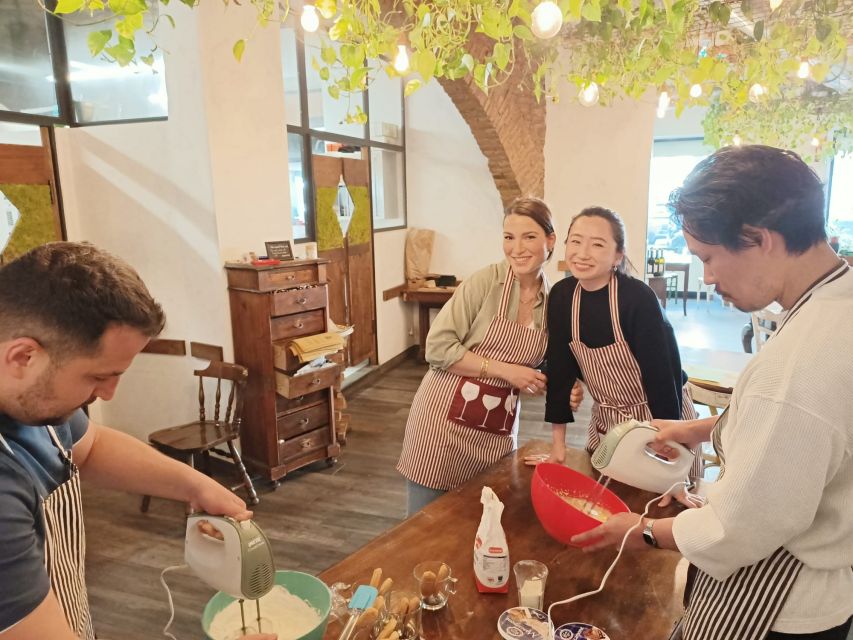
If you’ve ever bought pasta on a grocery shelf and wondered why it doesn’t taste like the kind you get in Italy, this is the answer. The value here isn’t just the food. It’s the small, practical skills you learn while the dough is still in your hands.
You make both dishes in about two hours, which is a sweet spot in Rome. You get enough time to learn a few core techniques (dough, cutting, layering) and still sit down afterward with what you cooked. And because the class is near the Spanish Steps, you can treat it like an easy “Romans do this” activity between sightseeing blocks.
The other reason I like this kind of class: it’s not only about eating. You also leave with a mental checklist of what matters—ingredient quality, texture, and timing. That’s what turns Italian cooking from a vague idea into something you can reproduce.
You can also read our reviews of more cooking classes in Rome

Meeting at Trattoria Amici by the Spanish Steps
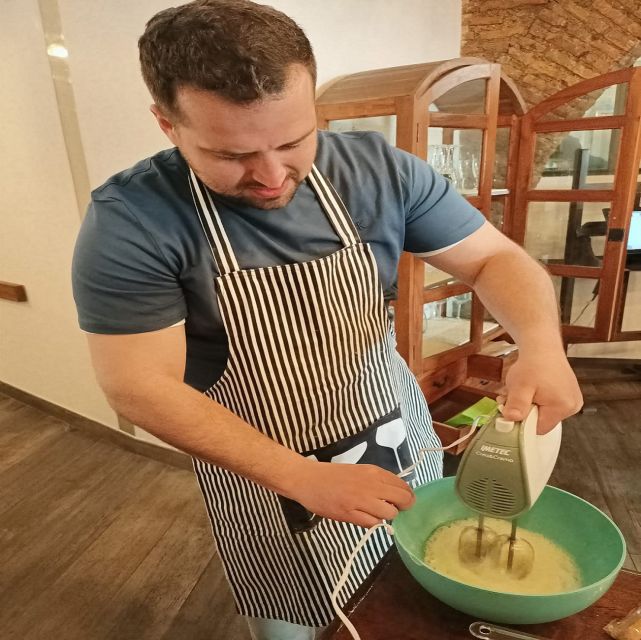
You meet your host at Trattoria Amici, which makes the whole experience feel simple. You’re in central Rome, so you’re not crossing half the city just for a workshop. That location also helps the experience feel connected to Rome as a daily place, not a distant activity bubble.
Plan on arriving a few minutes early. With cooking classes, timing matters because you start working soon after everyone arrives. If you’re pairing this with Spanish Steps photos, do the photo part first or last—don’t try to squeeze it into the middle. The class keeps you busy.
Fettuccine From Scratch: Dough Work You’ll Actually Learn
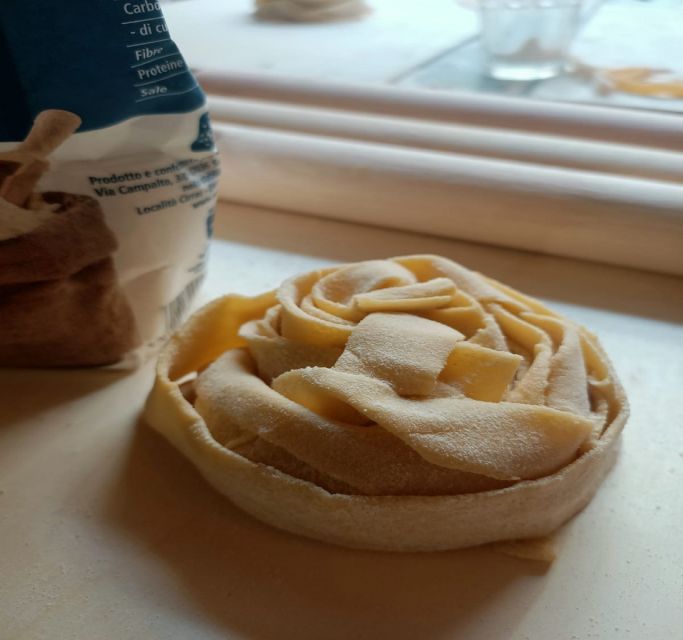
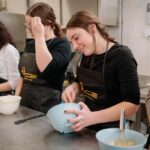
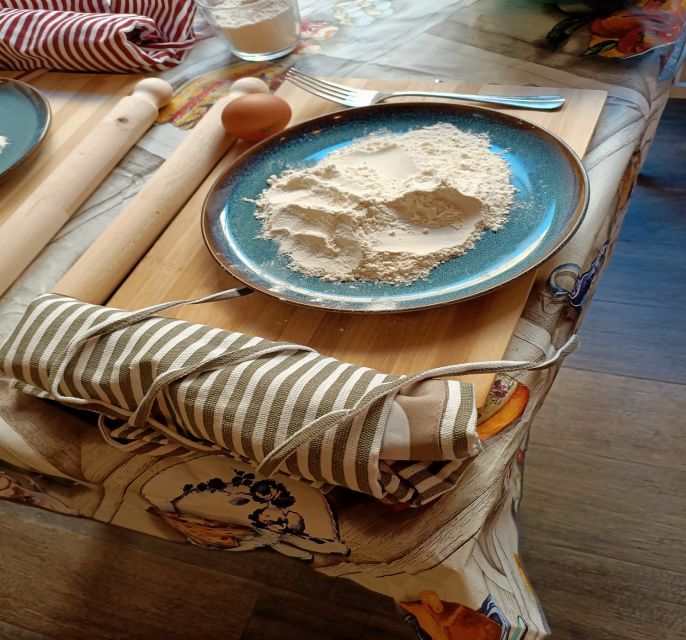
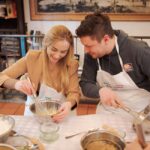
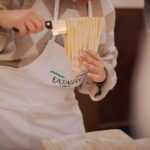
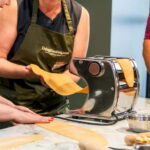
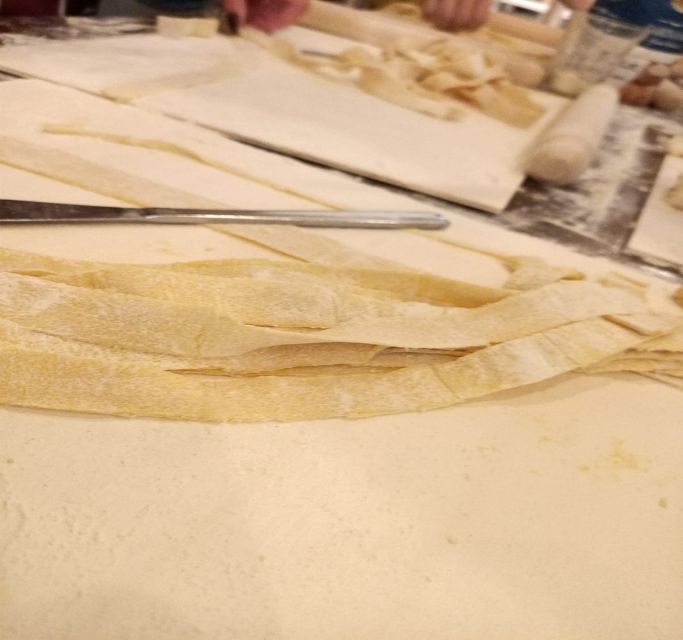
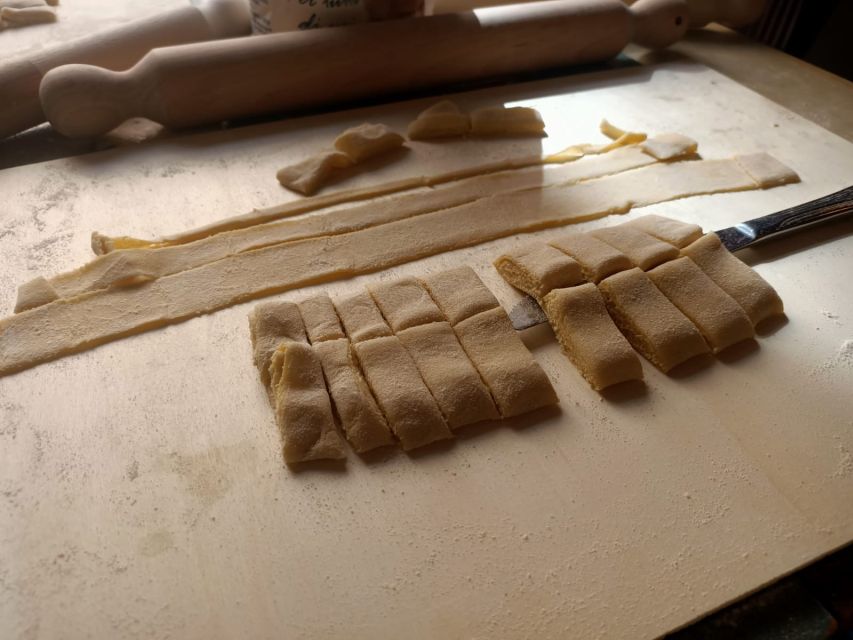
The heart of the class is homemade fettuccine, and it starts with the foundation: selecting good ingredients and handling the dough correctly. You’ll learn how to mix and knead until the dough has the right feel, then you’ll cut it into delicate strands.
This is the part that most cooking classes gloss over. Here, you’re guided through the process step-by-step, so you understand what you’re doing rather than only copying motions. Kneading and cutting are physical skills. Doing them once with real guidance beats trying to follow a video at home later.
Here’s what to pay attention to while you cook:
- Texture over guesswork: you want dough that feels workable, not dry or sticky.
- Consistency matters: the way you knead affects how the pasta holds together when cut.
- Cutting technique: even slices make for better cooking and a nicer bite.
Even if you never become the person who makes pasta weekly, you’ll walk away with a clearer sense of what “fresh” pasta really means. It’s not magic. It’s method.
How the Chef’s Sauce Advice Changes Your Cooking
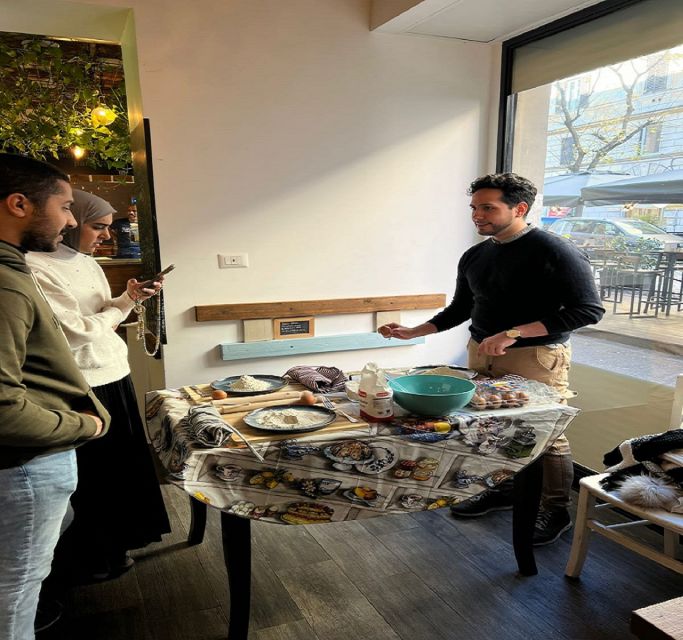
The class includes guidance on pairing your pasta with a sauce. You’re not just learning mechanics—you’re learning how cooks think about the match between shape and flavor.
That matters for you if you cook at home. Pasta shapes aren’t just for looks; they catch sauce differently. Learning the logic here helps you choose toppings and sauces later, even when you don’t have a chef standing over your shoulder.
Also, you’ll likely pick up small cues—like how to treat pasta after cutting and how to keep the dough work from turning into a sticky mess. These are the little problems people struggle with most, and this kind of class is designed to fix them in real time.
Tiramisù: The Layering Skill That Makes It Professional
After pasta work, you shift to tiramisù, and this is where the class shows off its focus. You’re not doing a shortcut version. You build a tiramisù using the classics: mascarpone cream, espresso-soaked ladyfingers, and cocoa powder.
Layering is a real technique, not just decoration. You’ll learn how to assemble so the dessert has contrast—the creamy mascarpone, the coffee-soaked texture, and that cocoa finish. Get the balance right and you get the spoon test: it should slice cleanly and taste balanced, not watery or overly soaked.
If you want a practical takeaway, it’s this: espresso-soaked ladyfingers are where timing counts. Too little and it’s sweet with no coffee character. Too much and it turns heavy. Learning how to layer in class helps you stop guessing at home.
You can also read our reviews of more tours and experiences in Rome
The Food, Drinks, and the Limoncello Photo Bonus
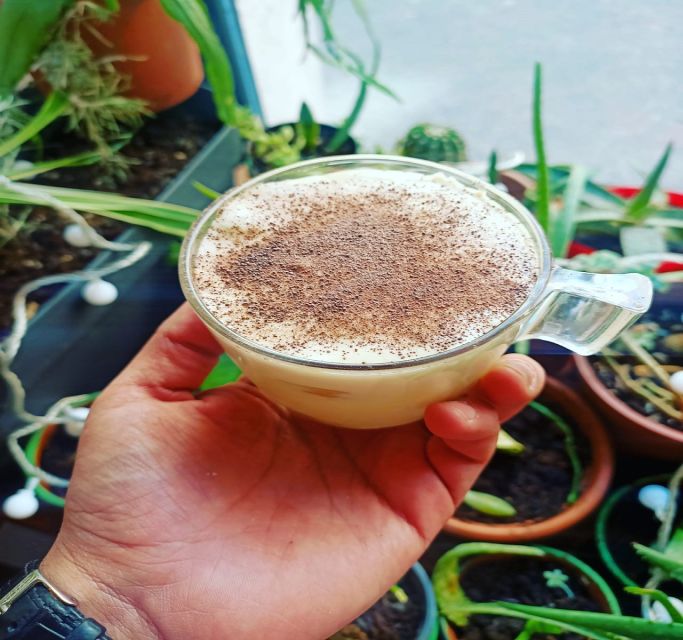
Once your dishes are ready, you sit down to enjoy what you made. Included with the experience is wine or a soft drink, plus espresso and/or limoncello depending on what’s offered. This isn’t just a “taste and leave” setup—it’s a meal that feels like an event.
One of the nicest extras is the personalized touch tied to limoncello. You’ll get your picture taken, then placed on a limoncello bottle that you can purchase at the end. It’s a fun souvenir that doesn’t feel like generic store-bought stuff, and it fits the theme of the day.
If you like souvenirs with a story, this is the kind that works. It’s also a nice “we finished cooking, now we celebrate” moment before you head out.
What You Get for $101: Value in a Short, Skill-Based Class
Let’s talk price. At $101 per person for a two-hour class, this isn’t the cheapest thing on your Rome list. But it’s also not overpriced when you look at what’s included: homemade fettuccine, tiramisù, lunch with your dishes, and drinks (wine/soft drink plus espresso/limoncello). You also get a chef certificate at the end, which sounds small but adds a satisfying finish.
The real value is the skill transfer. Pasta cutting and tiramisù layering are hard to learn well from a recipe alone. Here, you get:
- guided dough work (mixing, kneading, cutting)
- guided dessert assembly (masking the ladyfinger timing guesswork)
- a chef who can explain what went wrong when something feels off
If you cook even a little at home, that skill value is where the price starts to make sense.
If you’re the type who wants to spend money only on museums and long meals, this may feel like a “food hobby class.” But if you enjoy hands-on learning, this price is easier to justify.
Small Group Energy and Multilingual Instruction
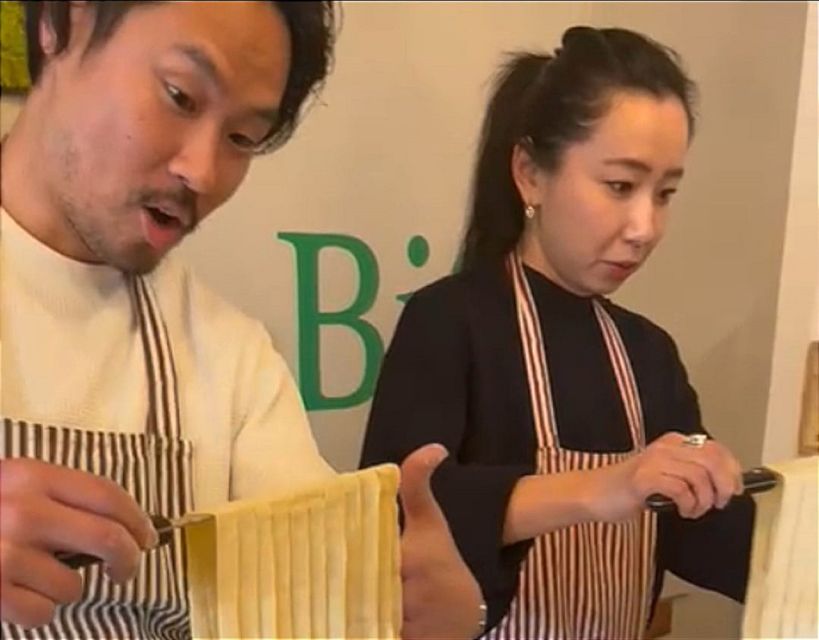
The class uses small group sizes, which matters more than you might think. When you’re learning dough, one person struggling can slow down the table. Small groups help the chef give direct attention when your dough feels wrong or your cuts aren’t even yet.
You’ll also get instruction in English, Spanish, and Italian. That’s important in a cooking class because clarity is everything. The difference between easy and frustrating often comes down to whether you fully understand what to do next.
Chef Roberto is frequently described as friendly and excellent, which tells me the tone is supportive, not intimidating. That’s what you want when flour is involved.
Practical Tips to Make Your Two Hours Smoother
You’ll be cooking and eating, so a few small choices can make the day easier.
- Wear something you don’t mind getting lightly messy. Dough work can mean flour on sleeves.
- If you’re juggling sightseeing plans, schedule this so you have time to relax afterward before your next big walk.
- Think of this as a skill workshop. Ask questions when you’re standing over the dough. Those are the moments you’ll remember.
Also, because the class is near the Spanish Steps, you can time it so you start the day with a clear schedule. I like pairing it with morning sightseeing and then coming back for a lunch-into-dessert reset.
Who This Class Is Best For
This is a great fit if you:
- want hands-on cooking rather than just watching
- like Italian food and want to cook it with more confidence
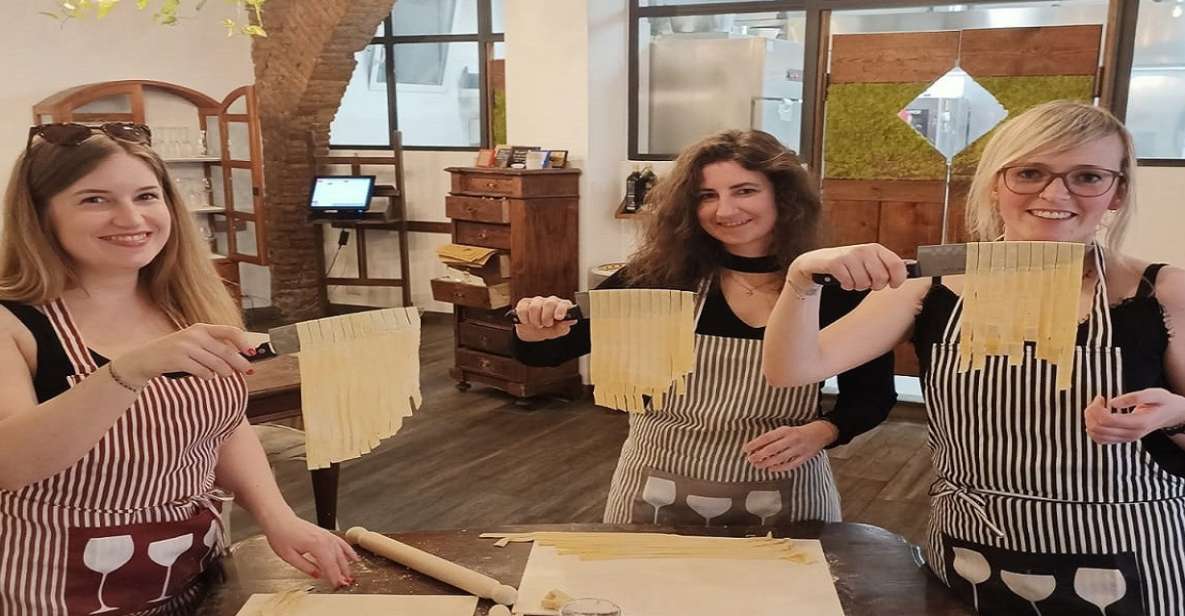
- enjoy social, interactive experiences with a small group
- want a Rome activity that’s central and not time-consuming to reach
It’s less ideal if you:
- want a long historical tour with minimal participation
- need quiet, low-effort sightseeing time during your visit
- expect a full-day program. This is focused and quick on purpose.
Should You Book This Pasta and Tiramisù Class?
I’d book it if you want a central Rome experience that teaches you real technique, not just a nice meal. The combination of homemade fettuccine, classic tiramisù, included drinks, and that chef certificate finish makes it feel complete for a short visit.
Book it especially if you care about going home with something you can actually cook again. The dough work and tiramisù layering are the kind of skills that stick.
Skip it if your priority is maximum sightseeing time or you don’t like interactive activities. Two hours sounds short until you’re kneading pasta and learning to cut it—then you’ll realize the class is doing exactly what it promises.
FAQ
What dishes will I make in this class?
You’ll make homemade fettuccine pasta and tiramisù.
How long is the cooking class?
The class lasts 2 hours.
Where does the class meet?
You meet your host at Trattoria Amici.
What drinks are included?
A glass of wine or a soft drink is included, and you’ll also have espresso and/or limoncello.
Is instruction available in languages other than English?
Yes. The instructor teaches in English, Spanish, and Italian.
Is this a small group experience?
The class is designed with small class sizes for more personalized attention.
Do I eat what I cook?
Yes. The included experience includes making and lunch of the homemade fettuccine, plus the tiramisù you create.
What is the chef certificate?
You receive a chef certificate as part of the experience.
How much does it cost?
The price is $101 per person.
Can I get a refund if plans change?
Yes. You can cancel up to 24 hours in advance for a full refund.
Is pay later available?
Yes. You can reserve now and pay later, paying nothing today.